Get your free personalized podcast brief
We scan new podcasts and send you the top 5 insights daily.
Instead of relying solely on celebrity endorsements, IM8 addressed the supplement industry's trust deficit by investing heavily in credibility upfront. They recruited a top-tier scientific advisory board and conducted a clinical trial *before* launching, providing verifiable proof for their product.

Related Insights
Instead of launching cold, Sedana Medical strategically conducted pivotal trials with top-tier institutions like Cleveland Clinic and Mayo Clinic. This pre-establishes credibility and creates a built-in network of Key Opinion Leaders (KOLs) already familiar with the therapy, significantly easing commercialization and adoption post-approval.

AG1 made a strategic shift from influencer-led marketing to a science-first approach. The company invested over $10 million in double-blind, placebo-controlled human trials and built campaigns around this scientific validation. This move aims to build deep credibility and differentiate the brand in a crowded, often unsubstantiated market.

To differentiate from competitors and build consumer trust, Olipop substantiates its health claims with empirical data. The company partners with Purdue University's labs to run in-vitro and human clinical trials that validate the product's positive effects on microbiome health and blood sugar stability.
Top brands are moving beyond standard UGC and celebrity endorsements to feature credible experts like scientists and doctors from reputable institutions (e.g., Mayo Clinic, NASA). This provides a higher level of authority and trust that is more effective in converting discerning customers, especially in the health and wellness space.

Naming the brand "This Works" created a non-negotiable promise to consumers. This forced the company to build its entire marketing and R&D strategy around tangible evidence, including user studies, clinical trials, and neuroscience research, to continuously earn brand trust through "proof-pointing".

Investing in clinical studies is not just for product validation; it's a powerful marketing strategy. It allows you to make scientifically-backed claims in ads that competitors cannot legally replicate, creating a significant and sustainable competitive advantage.

As the health market saturates with dubious products, consumers' 'health IQ' has risen. Brands must now build their foundation on scientific credibility and demonstrable trust to succeed, as backlash against brands with unsubstantiated 'functional' claims has proven.

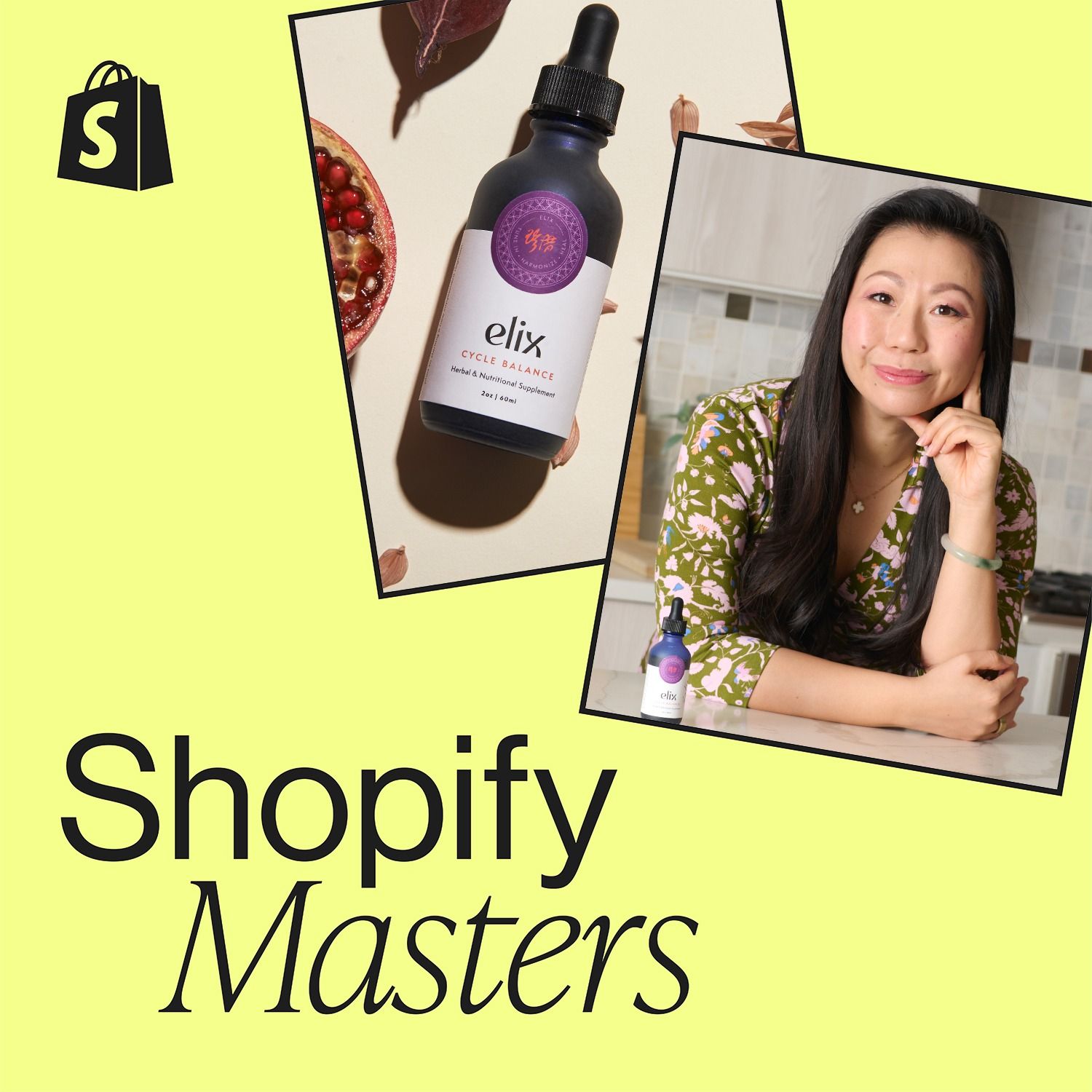
To build credibility in the modern healthcare landscape, Elix invests in formal, IRB-approved clinical studies for its traditional formulas. This strategy provides scientific validation, allowing them to operate as a credible resource alongside Western medicine, not in opposition to it.
A primary driver of recent pharma launch failures is underinvestment in pre-launch market conditioning. Cautious investors and tighter budgets mean companies have fewer resources to tell their scientific story effectively before launch. This delayed and underfunded approach has a dramatic negative impact on commercial success.

In health and wellness, brand trust is paramount. Instead of rushing to be first in a new category, it's better to be the "best" entrant. This means launching only after clinical protocols, quality control, and supply chains are bulletproof, ensuring customers associate your brand with safety and reliability.
