Get your free personalized podcast brief
We scan new podcasts and send you the top 5 insights daily.
In health and wellness, brand trust is paramount. Instead of rushing to be first in a new category, it's better to be the "best" entrant. This means launching only after clinical protocols, quality control, and supply chains are bulletproof, ensuring customers associate your brand with safety and reliability.

Related Insights
While launching a first-in-class drug is an achievement, true marketing excellence is shown when a team successfully launches a product that is second, third, or fourth to market. This requires superior execution and strategy to overcome established competitors with fewer resources.

Salt & Stone launched its first deodorant knowing it wasn't the final version. The key was that it was significantly better than any competitor. The founder advises launching a superior product and iterating publicly, rather than waiting for an unattainable state of perfection.

Tim Ferriss chose not to launch a supplement line with "The 4-Hour Body," a move that cost him millions short-term. This sacrifice preserved his credibility as an unbiased source, protecting his audience's trust, which he views as his most valuable long-term asset.

Naming the brand "This Works" created a non-negotiable promise to consumers. This forced the company to build its entire marketing and R&D strategy around tangible evidence, including user studies, clinical trials, and neuroscience research, to continuously earn brand trust through "proof-pointing".

The founder, a former elite athlete, argues that 95% of 'functional' products lack true efficacy. He believes brands delivering real, measurable health benefits will win long-term as consumer education grows, making genuine functionality the ultimate competitive advantage over marketing-driven noise.

Launching a first-in-class product is relatively easy. The real test of a marketer's skill is successfully launching a product that is second, third, or even fourth to market. This challenge forces superior cross-functional collaboration and executional excellence to overcome entrenched competitors with fewer resources.

Investing in clinical studies is not just for product validation; it's a powerful marketing strategy. It allows you to make scientifically-backed claims in ads that competitors cannot legally replicate, creating a significant and sustainable competitive advantage.

Customers and audiences don't trust you because every product is perfect; they trust you because you consistently show up. The identity shift from being someone who creates perfect things to someone who is reliable is crucial. Consistency in shipping and showing up will always outperform sporadic, 'perfect' launches.

For sophisticated consumers, branding based on unsubstantiated luxury materials can create skepticism. A marketing message focused on scientific proof, tangible benefits, and performance can be more compelling and build greater trust, especially for a high-price-point product.

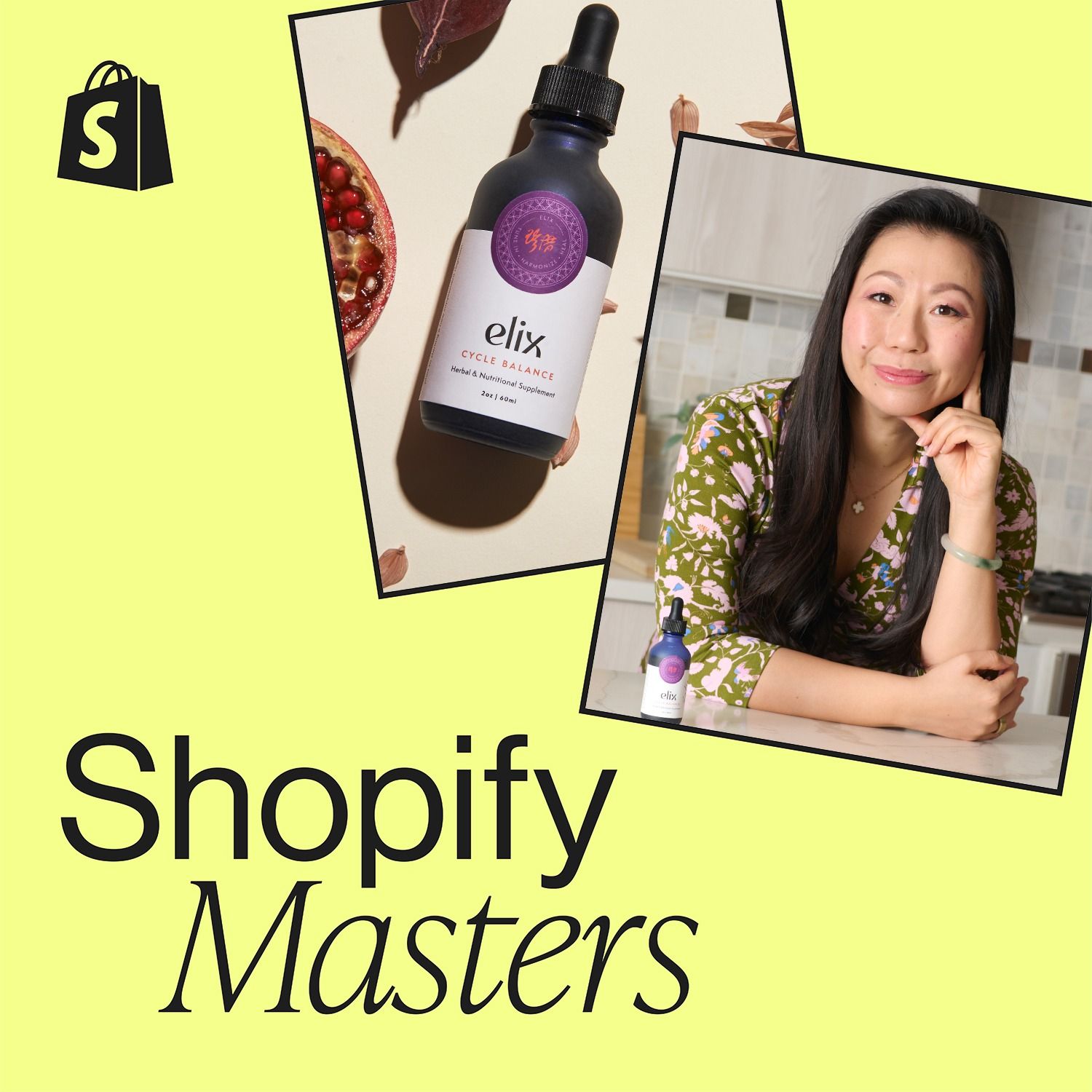
To build credibility in the modern healthcare landscape, Elix invests in formal, IRB-approved clinical studies for its traditional formulas. This strategy provides scientific validation, allowing them to operate as a credible resource alongside Western medicine, not in opposition to it.