Get your free personalized podcast brief
We scan new podcasts and send you the top 5 insights daily.
Naming the brand "This Works" created a non-negotiable promise to consumers. This forced the company to build its entire marketing and R&D strategy around tangible evidence, including user studies, clinical trials, and neuroscience research, to continuously earn brand trust through "proof-pointing".

Related Insights
Instead of starting with academic studies, analyze what top brands are already doing successfully. Deconstruct their tactics to uncover the underlying behavioral science principles, which you can then apply with confidence to your own business.

Dr. Anna Persaud advises founders to "use what you've got." She leveraged her background as a PhD biochemist to establish academic research partnerships and build a brand rooted in scientific proof. This personal expertise became a key differentiator and a source of authentic authority in a crowded market.
For a 150-year-old brand like ADT, the most valuable asset is user trust, which is hard to build and easy to lose. Therefore, every product investment must first be validated against its potential impact on that trust.

AG1 made a strategic shift from influencer-led marketing to a science-first approach. The company invested over $10 million in double-blind, placebo-controlled human trials and built campaigns around this scientific validation. This move aims to build deep credibility and differentiate the brand in a crowded, often unsubstantiated market.

To differentiate from competitors and build consumer trust, Olipop substantiates its health claims with empirical data. The company partners with Purdue University's labs to run in-vitro and human clinical trials that validate the product's positive effects on microbiome health and blood sugar stability.
A study found that ambient noise significantly slows cognitive development. This insight can be used to rebrand a commodity like earplugs. By positioning them as "Study Ears"—a tool for better memory and focus, not just noise blocking—you can create an entirely new product category with strong marketing hooks.

Investing in clinical studies is not just for product validation; it's a powerful marketing strategy. It allows you to make scientifically-backed claims in ads that competitors cannot legally replicate, creating a significant and sustainable competitive advantage.

For sophisticated consumers, branding based on unsubstantiated luxury materials can create skepticism. A marketing message focused on scientific proof, tangible benefits, and performance can be more compelling and build greater trust, especially for a high-price-point product.

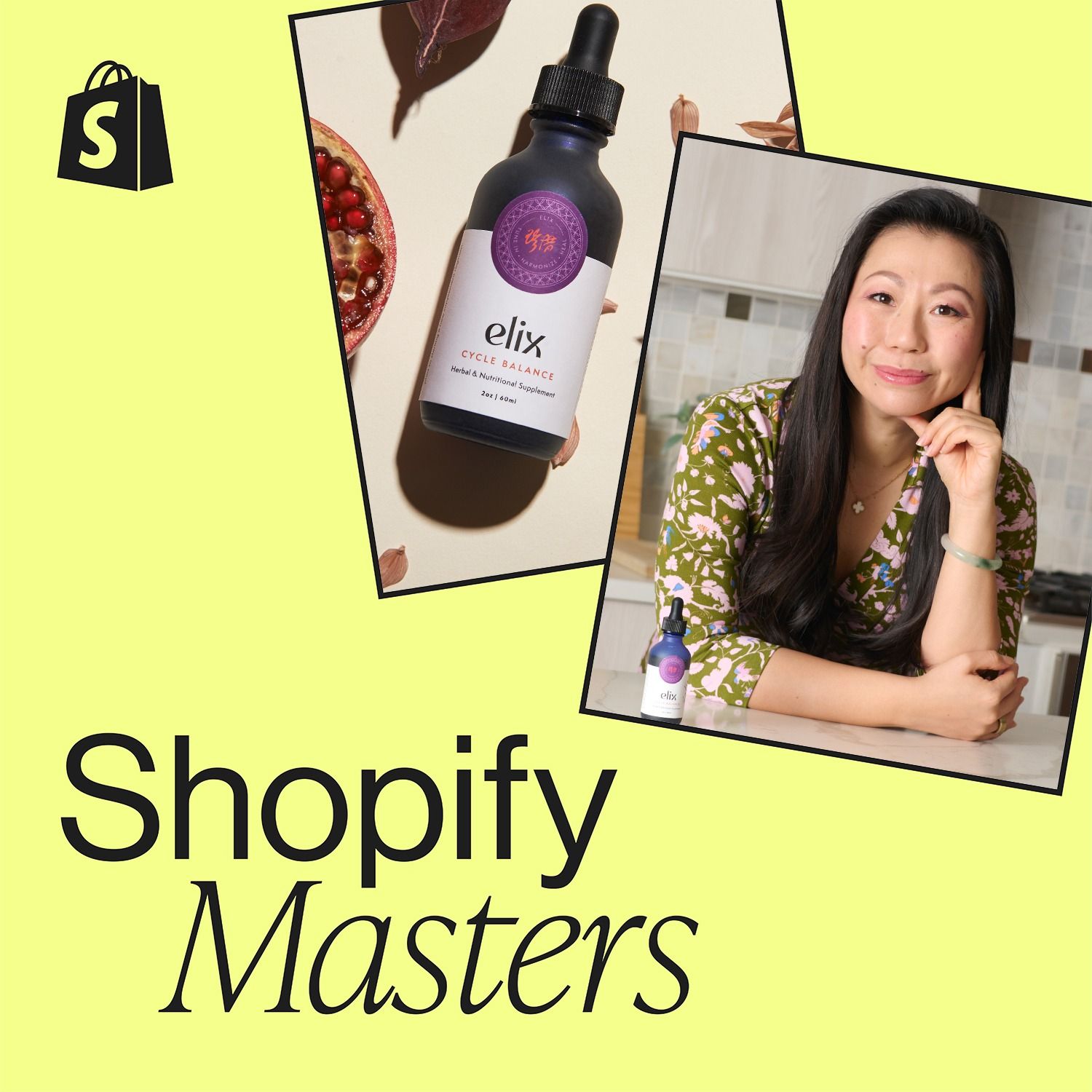
To build credibility in the modern healthcare landscape, Elix invests in formal, IRB-approved clinical studies for its traditional formulas. This strategy provides scientific validation, allowing them to operate as a credible resource alongside Western medicine, not in opposition to it.
LoveSack operated successfully for years based on product instinct alone. However, transformational growth occurred only after the company intentionally defined its core brand philosophy—'Designed for Life'—and then amplified that clear message with advertising. This shows that a well-defined brand story is a powerful, distinct growth lever, separate from initial product-market fit.