Get your free personalized podcast brief
We scan new podcasts and send you the top 5 insights daily.
In the attention economy, high-paid talent at legacy companies like CNN are cost centers on a bloated P&L. By using platforms like YouTube or Substack, these individuals can become high-margin businesses, capturing value directly from their audience instead of a corporate employer.

Related Insights
Successful journalists combine platforms. They use legacy media for brand credibility, editing, and infrastructure, while direct-to-consumer platforms like Substack allow for faster publishing and capturing a much larger share (70-90%) of the economic value they create.
The business battleground has shifted to attention, which is no longer controlled by corporations with large advertising budgets. Individuals can now capture massive audiences through social media and deploy that attention across ventures, creating enterprise-level value.

Social media platforms are algorithmically incentivizing creators to become "micro giants" (1-5M subscribers) with highly engaged niche audiences, rather than global superstars. This model is more sustainable and allows for direct monetization with targeted products, representing a strategic shift in the creator economy.

The next evolution of the creator economy involves creators building their own vertically integrated studios, complete with production, marketing, CPG, and supply chain infrastructure. They are no longer just talent for hire but self-sufficient media and commerce companies controlling their own IP.
Former BBC CEO Deborah Turness warns that large media brands must learn from the creator economy. She urges them to stop "managing" the news and instead empower talent to build authentic, direct relationships with audiences, mirroring platforms like Substack and YouTube.

Unlike studios risking billions on upfront investments, YouTube only pays for successful content via revenue sharing. Creators then reinvest this money into better productions, improving the platform's overall quality and capturing more audience attention in a virtuous, self-funding cycle.

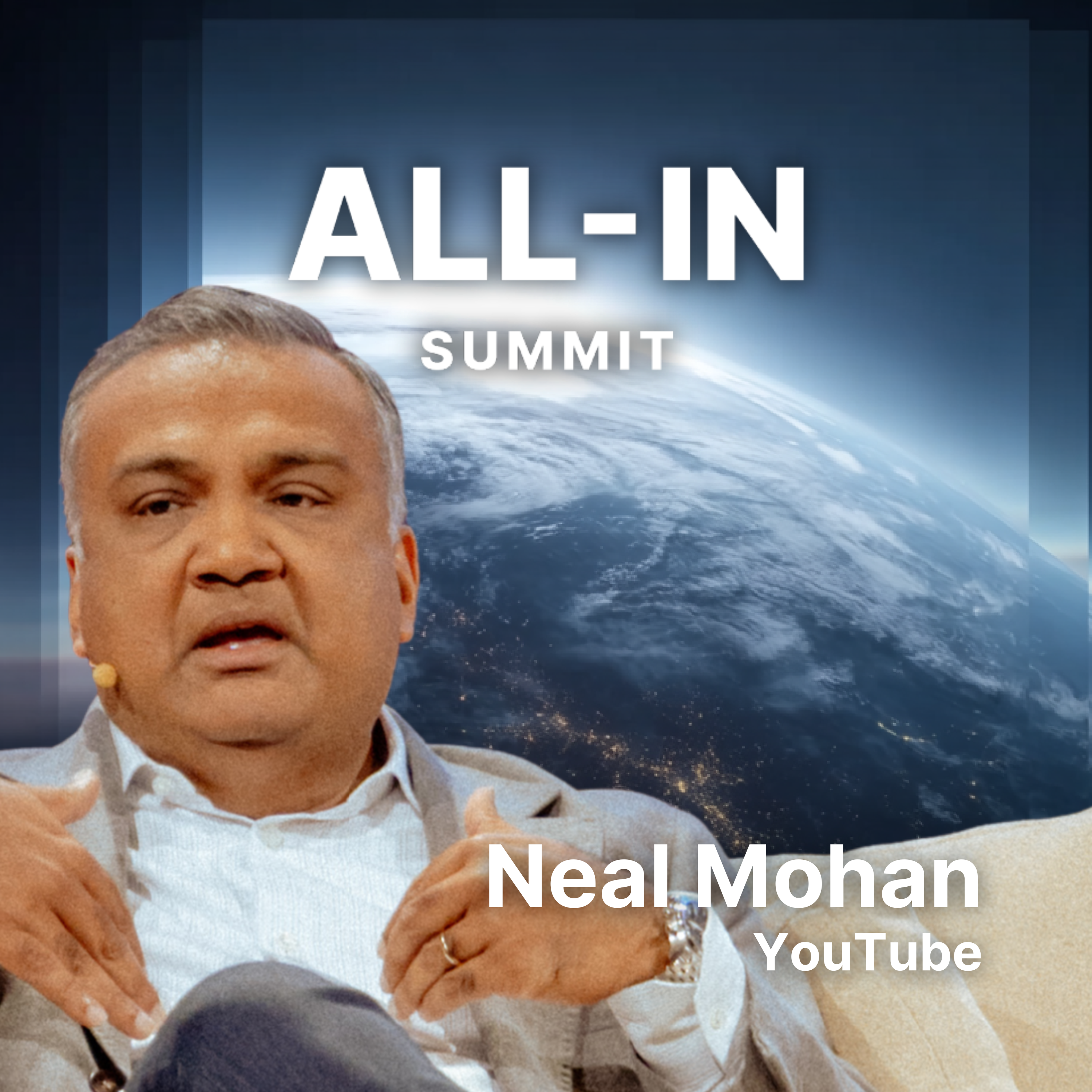
Neal Mohan defends YouTube's revenue split by positioning it as a model where creators bet on their own growth, contrasting with traditional media's upfront payments. For top creators who self-monetize, he frames this as a flexible choice, not a platform weakness, allowing them to select the model that best suits their business.
The media landscape has fundamentally changed. Value is no longer concentrated in institutional brands like the New York Times. Instead, it has shifted to individual, 'non-fungible' writers who can now build their own brands and businesses on platforms like Substack.

With traditional news models broken, investigative journalism's future may lie with independent creators. Platforms like YouTube and X now offer monetization for this high-risk content. While lacking institutional support like legal teams, these solo journalists can build a direct audience and sustainable business, disrupting a struggling industry.

Substack offers a powerful platform for writers to build a direct audience and revenue stream through subscriptions. It's an ideal alternative for creators who excel at writing over video, allowing them to directly monetize their skills and build a recurring revenue business.