Get your free personalized podcast brief
We scan new podcasts and send you the top 5 insights daily.
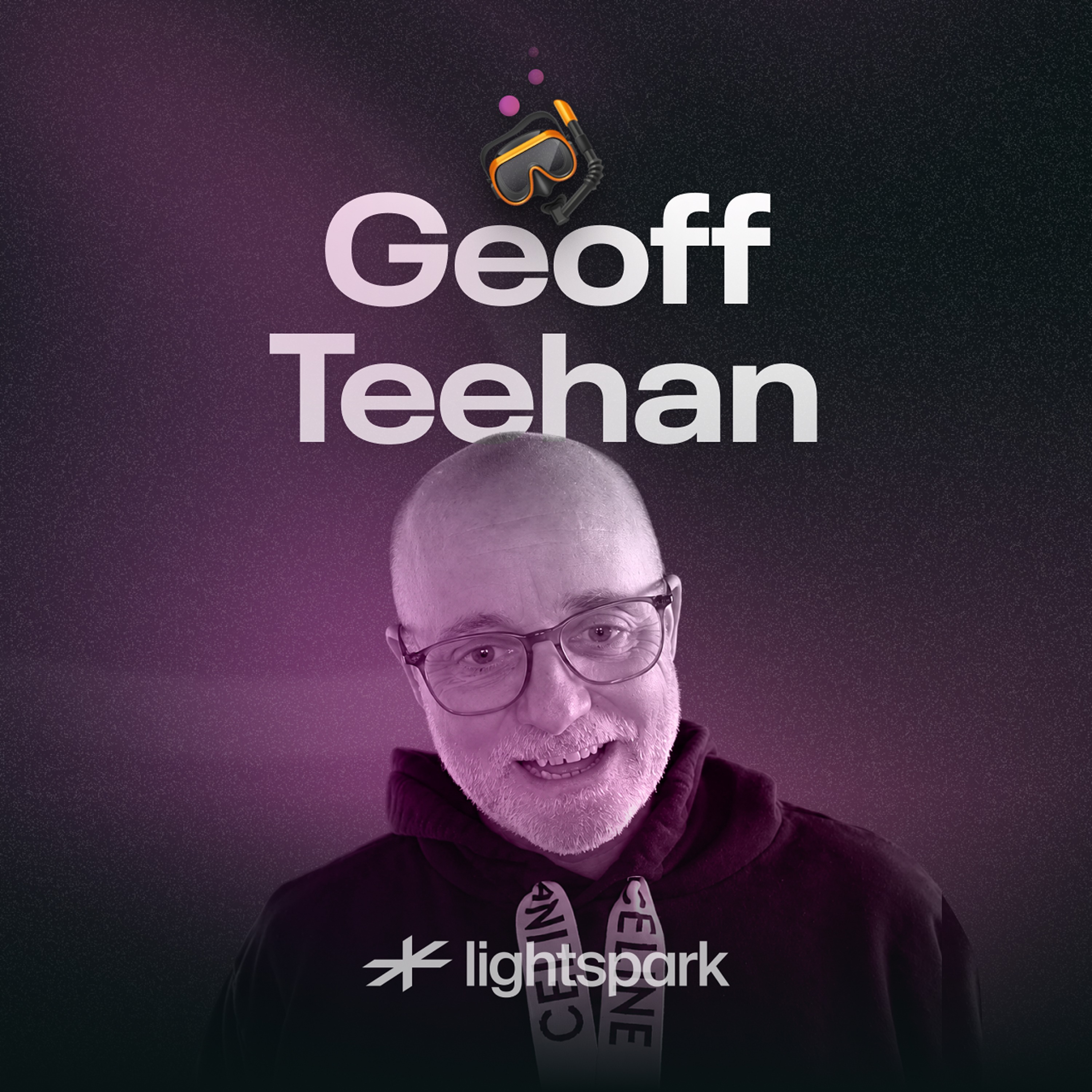
Geoff Teehan transitioned from designing for brands like Red Bull to building mutual fund software. He found solving critical, tangible problems for a specific user base to be more impactful and satisfying than creating excitement for a mass audience.
Related Insights
Exceptional design isn't just aesthetically pleasing; it's a tool for building a business. The most successful products are created when thoughtful craft and tangible business outcomes are seen as intertwined and reinforcing, not as conflicting priorities.

Designers once felt like imposters, but the profession grew rapidly, championed by figures like Steve Jobs. Now, design has a "seat at the table" and is recognized as a critical differentiator and a core business process for problem-solving, not just aesthetics.
The design firm Herbst Product operates on the principle that elegantly solving an irrelevant problem is a total failure. This emphasizes the supreme importance of the discovery and definition phases in product development. Before building, teams must ensure they are addressing a genuine, high-value customer need.

Following your passion often leads to building a product nobody wants, making it an expensive hobby. Instead, fall in love with a problem that the market is willing to pay to solve. True business success is found at the intersection of your passion, your skills, and what the world actually needs.

True entrepreneurial success isn't about chasing hot topics like AI. It's about finding a niche, boring problem and developing a deep, multi-decade obsession with it. This requires a unique ability to find interest where others see none, which is a powerful competitive moat.
![William Hockey - Building the Operating System for the Dollar and Silicon Valley Heresy - [Invest Like the Best, EP.463] thumbnail](https://megaphone.imgix.net/podcasts/fafd11c6-2198-11f1-9f4c-331b7fdffb5f/image/c8ee4ccf34b48dd3ef4ded6a34c1f70c.jpg?ixlib=rails-4.3.1&max-w=3000&max-h=3000&fit=crop&auto=format,compress)
Trilogy's configuration software wasn't as exciting as consumer products. They attracted top engineers by framing the work as tackling the world's hardest, unsolved AI problems. The allure for elite talent was the complexity of the technical challenge, not the surface-level appeal of the product.

Many engineers start by wanting to work on cutting-edge, abstract technical challenges (like LLM memory) but later pivot to finding greater satisfaction in applying that technology to solve concrete customer problems with measurable business impact, a common 'metamorphosis' in their careers.
As cloud computing and developer tools made software easier to build, competition surged. This shifted business value from pure engineering to design and user experience, which became critical for standing out. Design went from a cosmetic afterthought to a core strategic function.

The founder of Beluga Labs isn't passionate about tax codes. His motivation comes from the end result: creating sustainable financial channels that allow creators to pursue their dreams. This shows that founders can build successful companies in "boring" industries by focusing on the positive human impact of their solution.

Luckey advises founders to separate personal passions from the problems that need solving for maximum impact. While he enjoyed building Oculus VR headsets, he chose to found defense company Anduril to tackle a more critical, albeit less "fun," problem in national security. This contrasts with the common advice to "follow your passion."
![Palmer Luckey - Inventing the Future of Defense - [Invest Like the Best, CLASSICS] thumbnail](https://megaphone.imgix.net/podcasts/f7c9aa8e-cb8d-11f0-828e-0b281809c10a/image/cc07f91ec47f95abbde771a4956b37b7.jpg?ixlib=rails-4.3.1&max-w=3000&max-h=3000&fit=crop&auto=format,compress)