Get your free personalized podcast brief
We scan new podcasts and send you the top 5 insights daily.
After a viral report claiming Banza pasta contained glyphosate, sales plummeted 30%. To regain trust, the company partnered with The Detox Project for third-party certification. They now add a QR code to packaging that links directly to public test results, committing to full transparency.

Related Insights
In the crowded "healthy" food market, simply listing clean ingredients is insufficient. Brands must educate consumers on their unique processes (e.g., stone-milling grains) to demonstrate superior nutritional value and build trust. Framing it as a founder's personal mission adds authenticity.
When MadeGood faced a massive product recall, they acted swiftly and transparently. While internally turbulent, their professional handling of the crisis impressed retail partners so much that it strengthened their trust and business relationships, turning a disaster into a reputation-building event.
After facing public criticism over its practices, a PR firm hired an external industry expert to conduct a full audit. The resulting positive report served as powerful third-party validation, proving more effective at restoring credibility than any internal statement could have been.

Banza wasn't created to chase the protein trend. Founder Brian Rudolph, sensitive to wheat, was experimenting with chickpeas to make pasta he could eat. The high protein and fiber content was a fortunate byproduct that later became a core marketing pillar.
When the first Kickstarter orders were shipped in flimsy envelopes and arrived shattered, Jing panicked and proactively emailed every customer. This raw transparency, rather than defensiveness, turned a potential business-ending disaster into a moment that built immense trust and long-term customer loyalty.

When facing a potential contamination issue with no confirmed cases, Chomps executed a large-scale recall. Though costly, this decisive action to eliminate any consumer risk ultimately strengthened their processes and brand integrity, reinforcing customer trust.
Before having professional packaging, Banza's founder pitched a major grocery chain with homemade pasta in a plastic bag. He framed the meeting as asking for advice, but the local connection and product quality were enough to secure a full chain-wide launch.
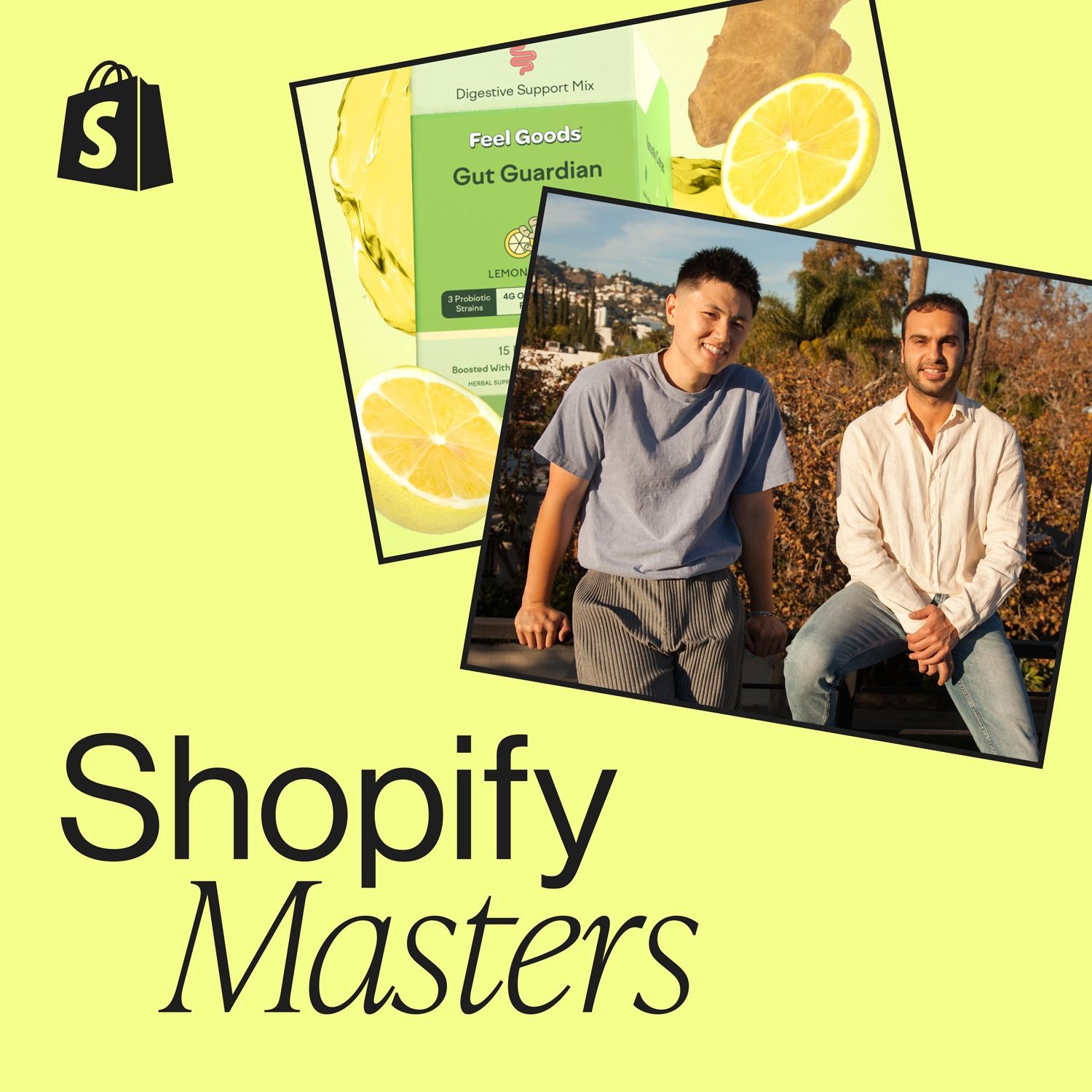
When a labeling error forced Feel Goods to discard a huge product batch, they created a TikTok series about the mistake. This radical transparency generated overwhelmingly positive feedback and loyalty, proving that sharing failures can be a powerful marketing tool.
Instead of using a co-packer, MadeGood built its own factory. This costly move was essential for guaranteeing their 'allergen-free' promise, allowing them to control the entire supply chain and manufacturing process, which provided peace of mind and brand integrity.
When early production runs resulted in mushy pasta, Banza faced a critical retail deadline. Instead of scrapping 20,000 boxes, they discovered the pasta cooked better if steeped like tea. They added stickers to every box with the new instructions and shipped the product.