Get your free personalized podcast brief
We scan new podcasts and send you the top 5 insights daily.
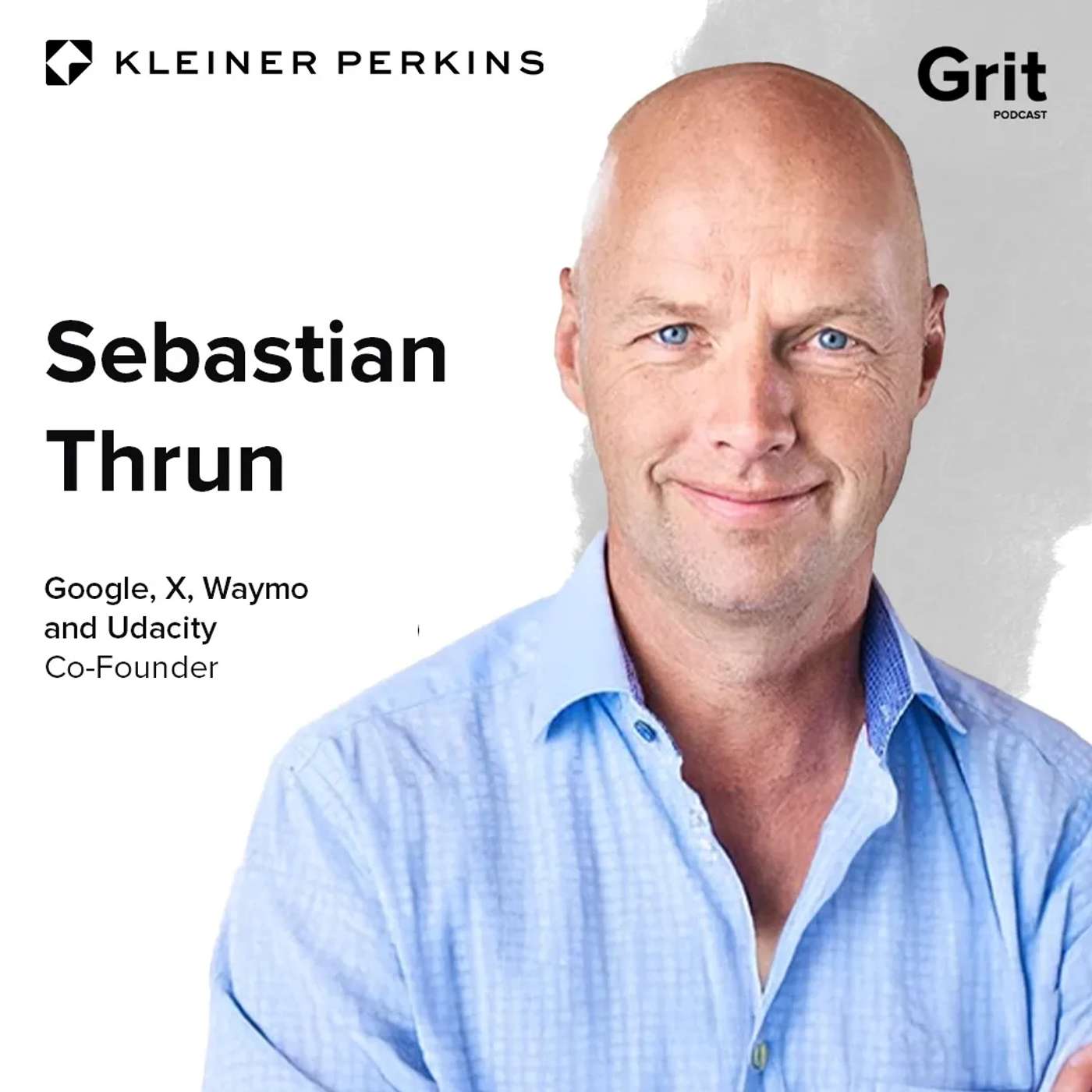
Sebastian Thrun, a top expert, initially dismissed city-based self-driving cars as impossible. This taught him that experts are often blind to disruptive change, as their knowledge is rooted in past paradigms, making them ill-equipped to envision a radically different future.
Related Insights
Success brings knowledge, but it also creates a bias against trying unconventional ideas. Early-stage entrepreneurs are "too dumb to know it was dumb," allowing them to take random shots with high upside. Experienced founders often filter these out, potentially missing breakthroughs, fun, and valuable memories.

A 2022 study by the Forecasting Research Institute has been reviewed, revealing that top forecasters and AI experts significantly underestimated AI advancements. They assigned single-digit odds to breakthroughs that occurred within two years, proving we are consistently behind the curve in our predictions.
When building its self-driving car team, Google intentionally hired software engineers over automotive experts. They found industry veterans were so ingrained in the existing paradigm that they couldn't adapt to a software-first approach and ended up firing them. The project's success came from fresh minds.
Experts often view problems through the narrow lens of their own discipline, a cognitive bias known as the "expertise trap" or Maslow's Law. This limits the tools and perspectives applied, leading to suboptimal solutions. The remedy is intentional collaboration with individuals who possess different functional toolkits.
Sebastian Thrun advises innovators to eliminate guilt and fear, estimating 80% of his work is correcting mistakes. Feeling guilty about errors stifles risk-taking and leads to safe, incremental work. Instead, he treats mistakes purely as learning opportunities to be applied in the future.
Google authored the seminal 'Transformers' AI paper but failed to capitalize on it, allowing outsiders to build the next wave of AI. This shows how incumbents can be so 'lost in the sauce' of their current paradigm that they don't notice when their own research creates a fundamental shift.
Sebastian Thrun points out a startling fact: even a highway at a standstill is 92% empty space due to inefficient car spacing and lane design. This illustrates the immense, untapped capacity in our infrastructure that could be unlocked by the precision of coordinated, self-driving vehicles.
Many technical leaders initially dismissed generative AI for its failures on simple logical tasks. However, its rapid, tangible improvement over a short period forces a re-evaluation and a crucial mindset shift towards adoption to avoid being left behind.

Formally trained experts are often constrained by the fear of reputational damage if they propose "crazy" ideas. An outsider or "hacker" without these credentials has the freedom to ask naive but fundamental questions that can challenge core assumptions and unlock new avenues of thinking.

Google's Larry Page taught Sebastian Thrun that radical innovation is often easier than incremental improvement. A moonshot project attracts world-class talent and capital, while an incremental business like a pizza restaurant requires risking personal savings against fierce competition for little recognition.