Get your free personalized podcast brief
We scan new podcasts and send you the top 5 insights daily.
A quiz segment challenging contestants to differentiate quotes from politicians (like Trump and Javier Milei) from "Real Housewives" cast members highlights a significant shift. Political discourse has become so performative and sensationalized that it often mirrors the language of reality television.

Related Insights
Political discourse often fixates on emotionally charged, minor components of legislation (like the 10% of a healthcare bill for immigrants) to control the narrative and divert public attention from the larger, more complex financial or policy implications that affect the other 90%.

Effective politicians operate less as policy experts and more as skilled entertainers. They adopt a specific 'genre'—like different styles of rap—to emotionally move their audience. This allows them to build a strong following and obfuscate a lack of concrete, cause-and-effect policy planning, focusing on feeling over function.

Cable news and social media don't show the average person who votes differently. They blast the loudest, most cartoonish "professional lunatics" from the opposing side. This creates a false impression that the entire opposition is extreme, making tribalism seem rational.

The line between irony and sincerity online has dissolved, creating a culture of "kayfabe"—maintaining a fictional persona. It's difficult to tell if polarizing figures are genuine or playing a character, and their audience often engages without caring about the distinction, prioritizing the meta-narrative over reality.

Harris argues that Trump's absurd claims, like immigrants eating pets, are a calculated method. By saying something shocking, he forces everyone to focus on the outrageous, effectively diverting attention from his lack of concrete plans on critical issues like the economy.

Some leaders are powerful in a small room but appear wooden on camera. The ability to project charisma through a lens is a separate skill from in-person magnetism. This "television charisma" is becoming increasingly crucial for political viability, and the two are not interchangeable.
Effective political propaganda isn't about outright lies; it's about controlling the frame of reference. By providing a simple, powerful lens through which to view a complex situation, leaders can dictate the terms of the debate and trap audiences within their desired narrative, limiting alternative interpretations.

Using a marital-argument analogy, one speaker suggests political discourse focuses on superficial, emotionally charged topics (the 'tea') to avoid the foundational problems, like national debt, that are the true source of conflict. This allows debate to continue without addressing the painful, complex root causes.

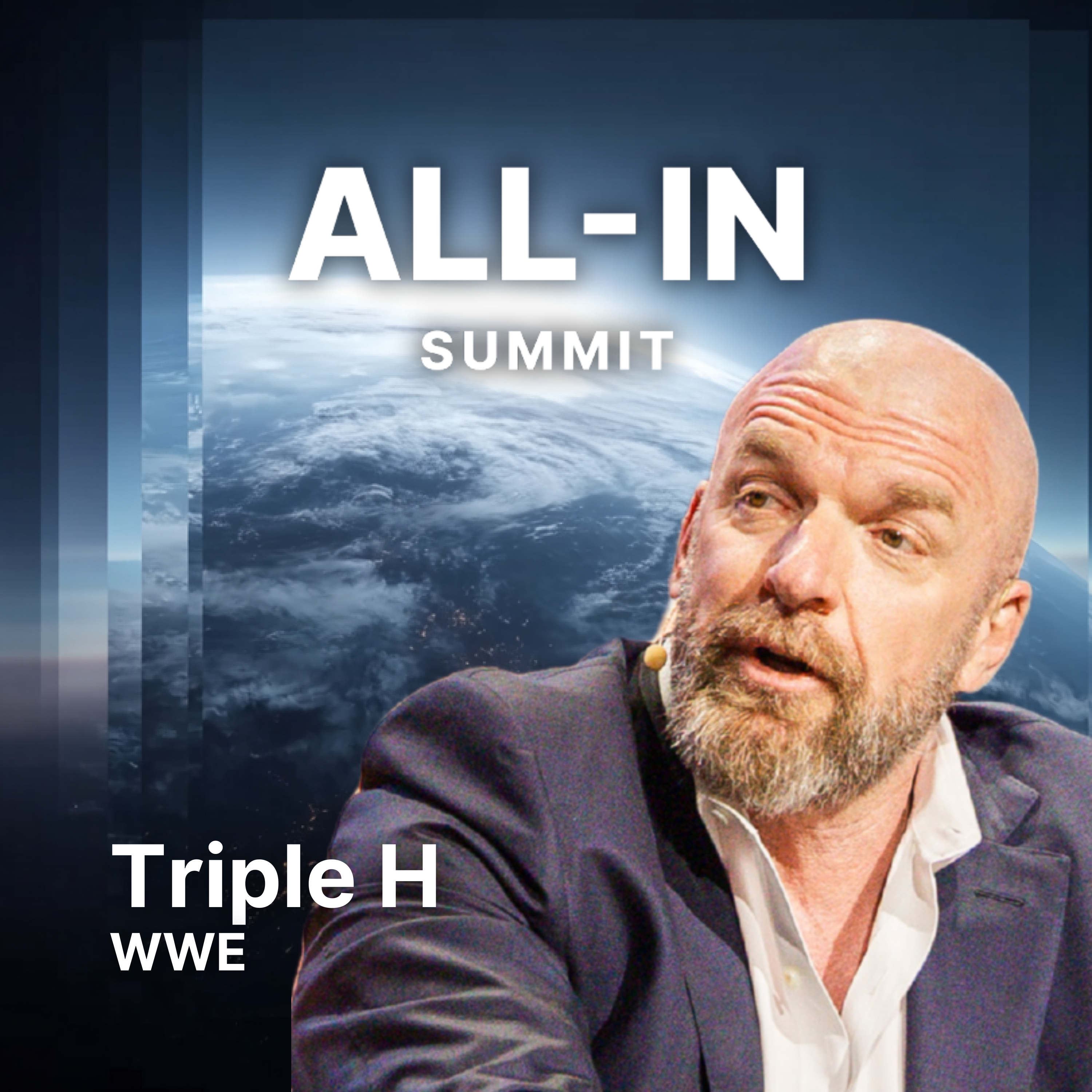
Drawing parallels between wrestling and politics, Paul Levesque asserts that voters ultimately choose presidential candidates based on charisma and personal connection, not policy details. He cites figures like Donald Trump as examples of personalities whose ability to command an audience is their primary asset.
The success of figures like Trump and Mamdani shows a political shift where personality trumps policy. Voters are drawn to authentic, entertainer-like candidates who connect on a human level, making traditional, unrelatable politicians obsolete.