Get your free personalized podcast brief
We scan new podcasts and send you the top 5 insights daily.
Six years after employee protests killed Project Maven, Google is negotiating a new Pentagon AI deal. This marks a significant strategic shift, prioritizing rebuilding government relationships over past activist-driven principles. Google is now seen by the Pentagon as a more reliable partner than ethically-rigid competitors like Anthropic.

Related Insights
The Pentagon expects to buy AI with full control, just as it buys an F-35 jet from Lockheed, without the manufacturer dictating its use. AI firms like Anthropic see their product as an evolving service requiring ongoing involvement, creating a fundamental paradigm clash in government contracting.

Anthropic's public standoff with the Pentagon over AI safeguards is now being mirrored by rivals OpenAI and Google. This unified front among competitors is largely driven by internal pressure and the need to retain top engineering talent who are morally opposed to their work being used for autonomous weapons.
Labs like Anthropic, Meta, and OpenAI are aligning with different political sides, while Google aims for neutrality. This intertwining of AI development with partisan politics could lead to labs being favored or blacklisted depending on the administration in power.

Leading AI companies, facing high operational costs and a lack of profitability, are turning to lucrative government and military contracts. This provides a stable revenue stream and de-risks their portfolios with government subsidies, despite previous ethical stances against military use.
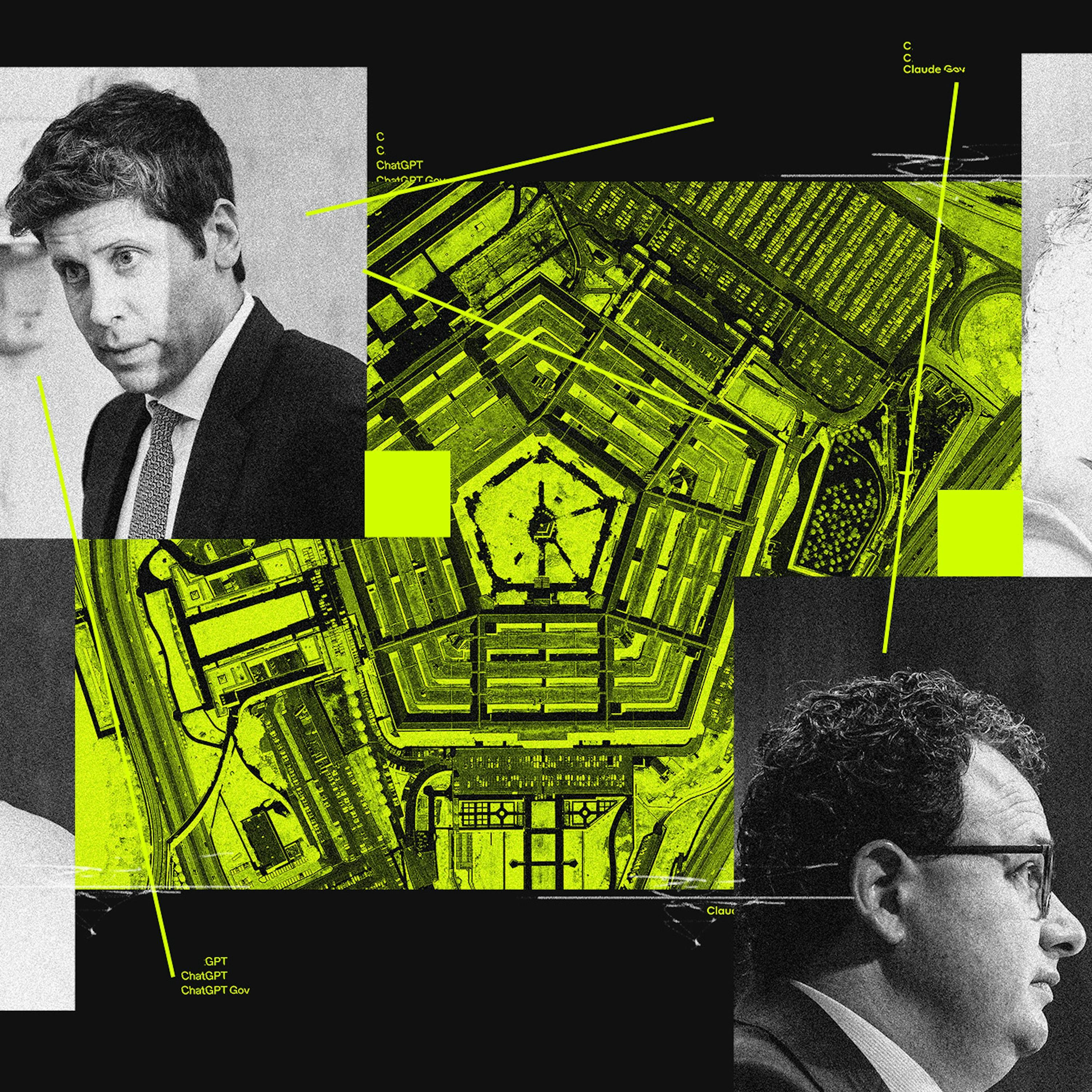
While publicly expressing support for Anthropic's principles, OpenAI was simultaneously negotiating with the Department of Defense. OpenAI's move to accept a deal that Anthropic rejected showcases how ethical conflicts can create strategic business opportunities, allowing a competitor to gain a major government contract by being more flexible on terms.

While initially viewed as a catastrophic blow, Google's withdrawal forced Project Maven to diversify its partnerships, bringing in companies like Palantir, Microsoft, and AWS. This event also catalyzed a crucial public and congressional debate on AI in warfare, ultimately solidifying the program's strategic importance.

The intense employee revolt at Google over the Project Maven AI contract was the watershed moment of peak hostility between Silicon Valley and D.C. This public conflict forced many to take sides and represented a symbolic bottoming-out, creating the conditions for the subsequent rebuilding of the relationship.

Anthropic’s resistance to giving the Pentagon unrestricted use of its AI is a talent retention strategy. AI researchers are a scarce, highly valued resource, and many in Silicon Valley are "peaceniks." This forces leaders to balance lucrative military contracts with the risk of losing top employees who object to their work's applications.

An OpenAI investor from Khosla Ventures argues the central issue is not about specific ethical red lines, but a meta-question: should a private company dictate how a democratically elected government can use technology for national defense? From this perspective, OpenAI's decision to accept the contract reflects a philosophy of deferring to governmental authority rather than imposing its own corporate values.
Key negotiators for both OpenAI and Anthropic in their Pentagon talks are former government officials. This reveals a growing talent war for policy experts with deep government ties, who are now crucial for navigating and securing high-stakes defense contracts.