Get your free personalized podcast brief
We scan new podcasts and send you the top 5 insights daily.
Tim Ferriss plays movies he knows inside out, like Spirited Away, Snatch, and Babe, on mute while writing late at night. The silent film gives him people in the room without distraction. He listens to instrumental Deadmau5 playlists through over-ear headphones and chooses rewatches he already loves so they do not pull focus.

Related Insights
Your ability to concentrate is heavily influenced by the sensory inputs you received *before* starting a task. Overly stimulating breaks (like scrolling on your phone) make it harder to focus. Intentionally boring, low-stimulation breaks clear your mental slate for deep work.

Forcing a draft when tired is counterproductive. Instead, do all research and outlining, then go to sleep. Writing the full draft first thing in the morning leverages the brain's clarity after rest for a much higher quality output, much like starting a new context window with an LLM.

For those with ADHD or who find solo work isolating, "body doubling" via scheduled Zoom meetings with strangers provides accountability without distraction. The simple act of seeing others quietly working on their own tasks can break through writer's block and create a sense of comforting, undemanding companionship.

When feeling intensely stuck, the most effective strategy is to lower the barrier to action as much as possible. Setting a tiny goal, like writing for just one minute, can overcome the initial inertia and lubricate the process for more substantial work.
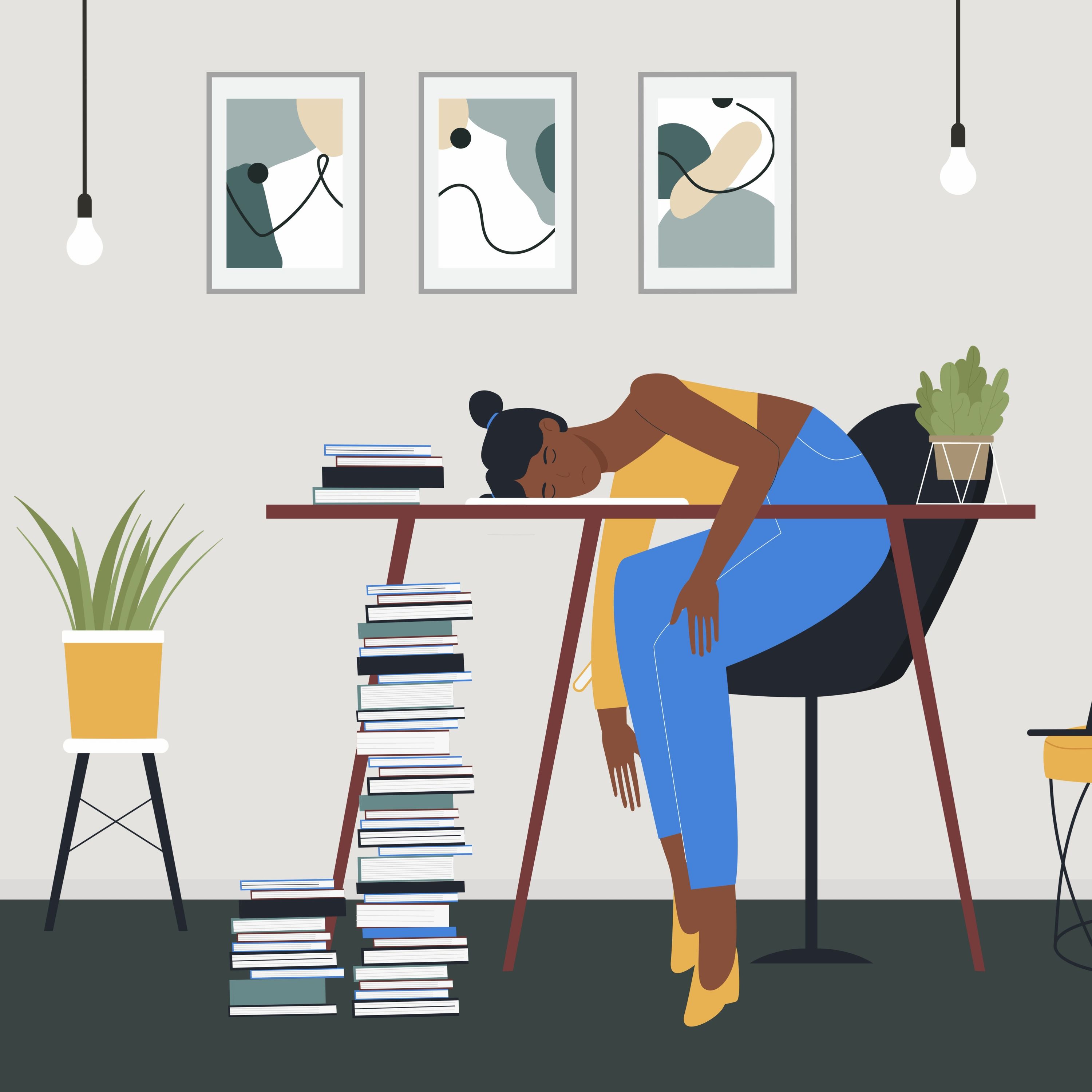
High-volume creative work, like writing five novels a year, isn't about marathon sessions. It's about breaking large goals into small daily chunks (e.g., three 800-word scenes) and executing them consistently in short, 20-30 minute focused blocks of time.

Sami Inkinen discovered his creativity declined when he constantly listened to podcasts during workouts. He now dedicates at least half of his exercise time to silence, allowing his brain's "background processing" to generate ideas, which he captures afterward for later review.
The optimal creative process involves dedicating all of yourself to a project for a set period, without any outside distractions. Afterward, completely step away and engage in something else. This allows your subconscious mind to process the problem without the pressure of active thought.
Maximize productivity by splitting your day into two distinct modes. 'Maker' time is for deep, focused work with zero distractions (e.g., writing, building). 'Manager' time is for communications and meetings. Separating them prevents the cognitive cost of task switching, which is a primary productivity killer.

Our capacity for focus follows daily rhythms with predictable peaks and valleys. By identifying your personal chronotype (e.g., morning person vs. night owl), you can schedule your most demanding creative and analytical tasks during these high-attention periods to maximize productivity.

The most effective way to improve focus is not to add new tools or 'hacks,' but to ruthlessly subtract distractions. By creating an environment with minimal stimuli, the intended task naturally becomes the most compelling thing, making work unavoidable. This is more effective than medication or willpower alone.