Get your free personalized podcast brief
We scan new podcasts and send you the top 5 insights daily.
True leadership means upholding values even when it hurts short-term financials. Schultz resisted investor pressure to cut employee healthcare during tough times, believing long-term success is built on a people-first culture. He famously argued that profitability without purpose is a shallow aspiration.

Related Insights
The 20th-century view of shareholder primacy is flawed. By focusing first on creating wins for all stakeholders—customers, employees, suppliers, and society—companies build a sustainable, beloved enterprise that paradoxically delivers superior returns to shareholders in the long run.

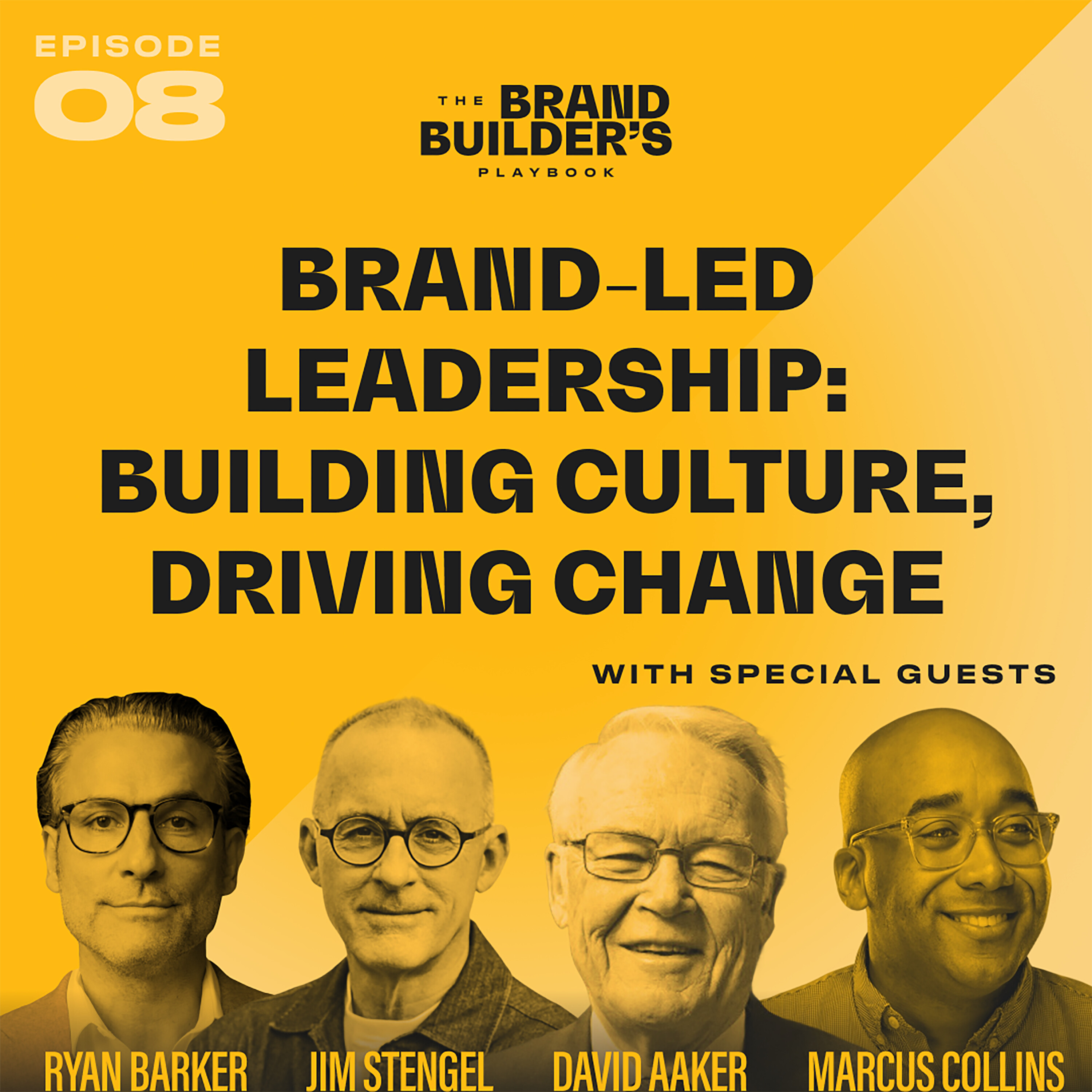
Marketing professor Marcus Collins argues that the true test of brand leadership isn't crafting a purpose statement, but adhering to it when faced with challenges or pressure on shareholder value. Many leaders evangelize their brand's point of view only when convenient, which ultimately undermines authenticity.
Tony James attributes the loyalty he received to his team's belief that he always put the firm's interests first. This created trust and a virtuous circle, as employees knew decisions were fair and aimed at collective success, not personal enrichment.

Effective leadership prioritizes people development ('who you impact') over task completion ('what you do'). This philosophy frames a leader's primary role as a mentor and coach who empowers their team to grow. This focus on human impact is more fulfilling and ultimately drives superior business outcomes through a confident, motivated team.

On the verge of closing a crucial deal, Bernie Marcus threw a Boston VC out of his car for demanding cuts to employee healthcare. He prioritized culture over capital, believing the company's foundation rested on taking care of its people, a non-negotiable principle even when facing failure.
![Bernie Marcus: The Home Depot Story [Outliers] thumbnail](https://megaphone.imgix.net/podcasts/33f78974-da28-11f0-922d-8fedbd7bbd6a/image/459cd297fd865ff17e963c9052a0b228.png?ixlib=rails-4.3.1&max-w=3000&max-h=3000&fit=crop&auto=format,compress)
Shift your leadership mindset from extraction to contribution. Success as a boss or investor isn't maximizing your return from an employee; it's being a net positive force where people gain more from the relationship than you do. This generosity builds loyalty and defines true victory in leadership.

Contrary to a shareholder-first dogma, these leaders operate on an employee-first principle. They believe that well-treated, empowered employees provide superior customer service. This creates loyal customers, which drives sustainable profits and ultimately delivers superior long-term returns for shareholders.

Phil Knight rejected the idea that business is solely about profit. He saw it as a way to "participate more fully in the whole grand human drama" by creating something that makes strangers' lives better. This redefinition of winning beyond mere survival sustained him and his company.

Committing to principles like quality or safety, even when costly, builds immense trust with customers and employees. This "harder" path ultimately makes business "easier" through higher loyalty, lower acquisition costs, and better alignment, creating an underrated asset.

Inspired by his grandmother, Levi's CMO adopted the mantra "we are here to be in service of others." This reframes leadership away from authority and toward a purpose of enabling and supporting the people around you—be it team members, colleagues, or the broader community.
