Get your free personalized podcast brief
We scan new podcasts and send you the top 5 insights daily.
Calacanis invested $200K in a former employee not for a specific idea, but because the founder consistently demonstrated high product velocity, world-class design, and capital efficiency. This indicates that for some savvy investors, proven execution ability is the most critical early-stage signal.

Related Insights
The founders got into YC with a music app that had 50,000 users but poor retention, proving they could build and attract users. Their strong co-founder bond and willingness to pivot were key. YC invested in their proven ability to execute, not their specific (and flawed) initial idea.

Precursor Ventures makes "directional people bets" by investing smaller checks ($150-250K) in top-tier founders to fund their search for a viable business concept. This strategy prioritizes founder quality over the initial idea, recognizing that great founders can pivot to find product-market fit.
VCs with operational backgrounds value execution over credentials. They screen for founders who show an instinct to act and build immediately, such as launching a splash page to test demand, before raising capital. This "dirt under the fingernails" is a stronger signal than pedigree.

Since startups lack infinite time and money, an investor's key diligence question is whether the team can learn and iterate fast enough to find a valuable solution before resources run out. This 'learning velocity' is more important than initial traction or a perfect starting plan.

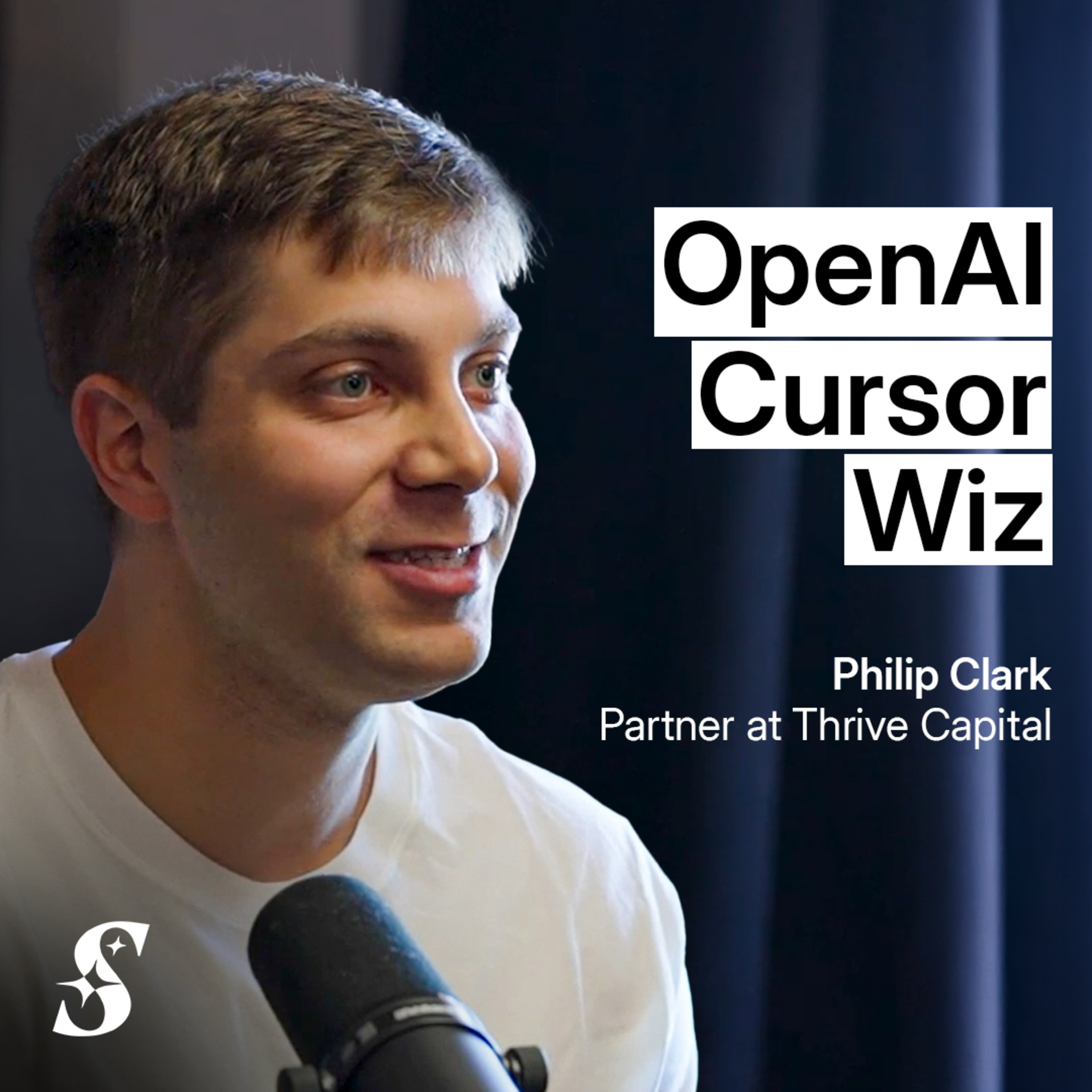
When meeting Cursor's founder, the investor felt an "electric energy" even as the founder was pivoting away from his original idea. This highlights that for elite early-stage investors, the founder's intrinsic drive and potential are the constant to bet on, as ideas will inevitably change.
Engaging with founders a month before Demo Day, even without a formal pitch, provides a vital baseline. Witnessing their spectacular progress over that month creates a powerful second data point on execution velocity, making the investment decision far easier and more informed.

Investor Jason Calacanis outlines his key evaluation criteria for founders. The most lethal combination includes the ability to ship product quickly, an eye for elite design, and a deep, personal obsession with their mission. He notes that skills like marketing can be learned, but these core traits are essential.
The firm distinguishes between speed (magnitude) and velocity (magnitude plus direction). Founders are encouraged to focus on velocity, ensuring the entire team is moving quickly *in the right direction*. This prevents wasted effort where mere motion is mistaken for progress, a common trap in turbulent markets.

A truly exceptional founder is a talent magnet who will relentlessly iterate until they find a winning model. Rejecting a partnership based on a weak initial idea is a mistake; the founder's talent is the real asset. They will likely pivot to a much bigger opportunity.

In the AI era, technology moats are shrinking as tools become commoditized. Consequently, early-stage investors increasingly prioritize the founding team itself, specifically their execution velocity and ability to leverage AI, over any specific technical advantage.