Get your free personalized podcast brief
We scan new podcasts and send you the top 5 insights daily.
Thrive's initial success was fueled by its non-Silicon Valley location and young founder, which attracted contrarian talent. This "outsider" DNA became a core advantage. As the firm became mainstream, it had to proactively recruit non-obvious candidates to maintain this edge, seeking people who aren't necessarily looking to work there.

Related Insights
Anthropic's team of idealistic researchers represented a high-variance bet for investors. The same qualities that could have caused failure—a non-traditional, research-first approach—are precisely what enabled breakout innovations like Claude Code, which a conventional product team would never have conceived.

A16z's decision to add Hollywood agent Michael Ovitz to their board was controversial but genius. It directly led to modeling the firm after Creative Artists Agency (CAA), a novel approach in venture capital. This shows the power of seeking board-level expertise from outside your industry to challenge core assumptions and unlock game-changing strategies.

Growing up in the Midwest instills humility and strong relationship-building skills, assets in venture capital. However, this can translate into a lack of aggression and pushiness, a potential handicap in the hyper-competitive Silicon Valley environment where it can lead to missed opportunities early on.

Instead of competing in saturated New York, David Rubenstein founded Carlyle in Washington D.C. He leveraged the location by specializing in government-affected industries like aerospace, creating a unique expertise that Wall Street couldn't easily replicate. This strategy turned a perceived geographic disadvantage into a powerful, defensible market niche.
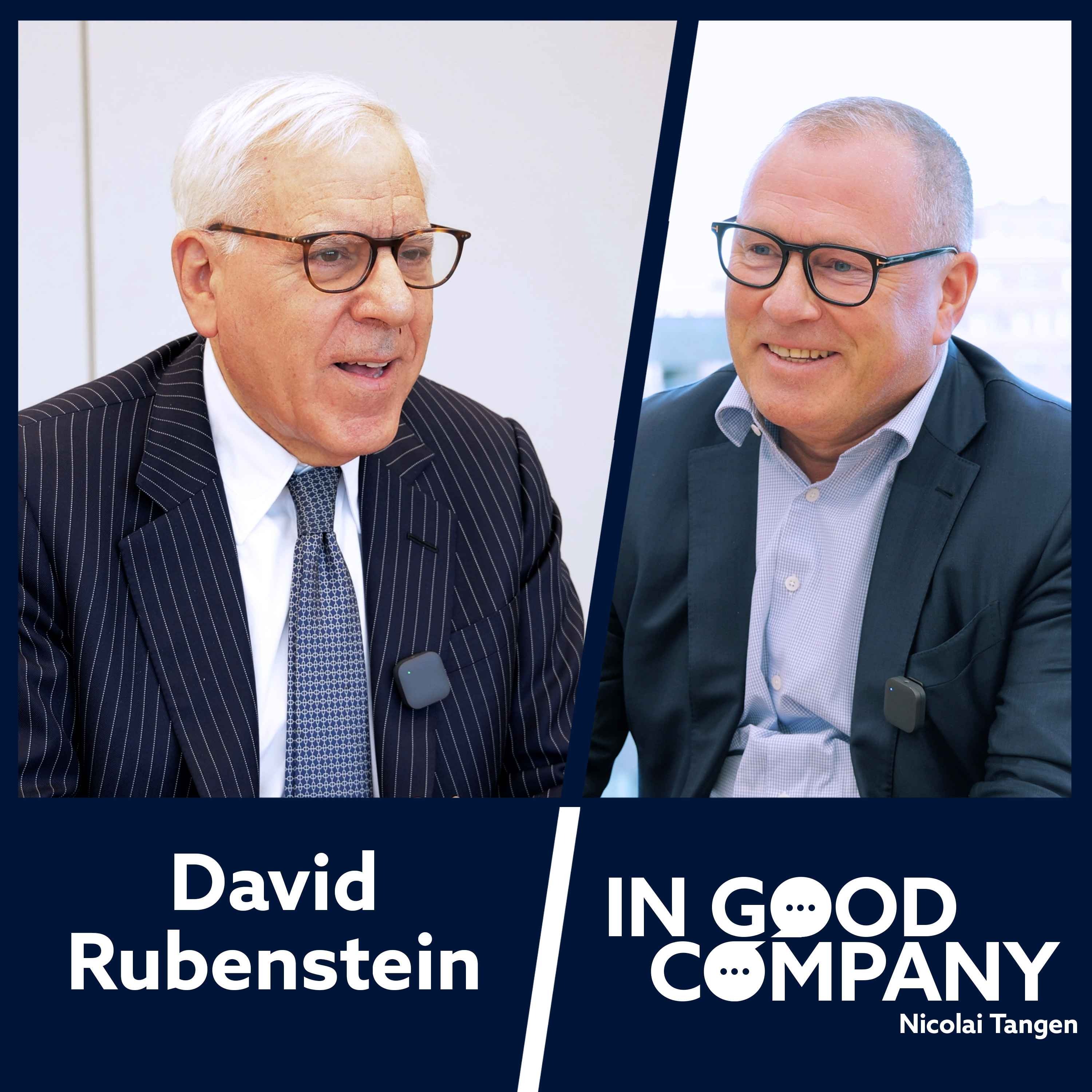
Thrive's late-stage philosophy starts with qualitative conviction in the team and product. Quantitative analysis is used to confirm this hypothesis, not generate it. This approach builds resilience against short-term metric fluctuations that cause purely quantitative investors to lose confidence, allowing for bolder, long-term bets.
Large, contrarian investments feel like career risk to partners in a traditional VC firm, leading to bureaucracy and diluted conviction. Founder-led firms with small, centralized decision-making teams can operate with more decisiveness, enabling them to make the bold, potentially firm-defining bets that consensus-driven partnerships would avoid.
Aravind Srinivas intentionally avoids hiring candidates with established track records from large tech companies. He believes people hungry for their first major success are more motivated and better suited for a startup's intensity than those who may be less driven after a previous big win.

Unlike operating companies that seek consistency, VC firms hunt for outliers. This requires a 'stewardship' model that empowers outlier talent with autonomy. A traditional, top-down CEO model that enforces uniformity would stifle the very contrarian thinking necessary for venture success. The job is to enable, not manage.

Ken Griffin warns startups against direct, head-on competition with industry giants, stating, "you're going to lose." To succeed, you must find an asymmetrical advantage—operating "under the radar" or solving niche problems incumbents ignore. Citadel initially did this by hiring unconventional quantitative talent.

Most VCs fail at talent support by simply matching logos on a resume to a portfolio company. A better model is to first embed operators (e.g., fractional sales leaders) into the startup. This provides the deep, nuanced context required to find candidates who fit the specific business and culture, leading to better hiring outcomes.
