Get your free personalized podcast brief
We scan new podcasts and send you the top 5 insights daily.
The creative process should disregard short-term metrics and incentives entirely. Instead, focus on creating something deeply personal and true to yourself, like a diary entry. This approach fosters work that has the potential to be timeless.

Related Insights
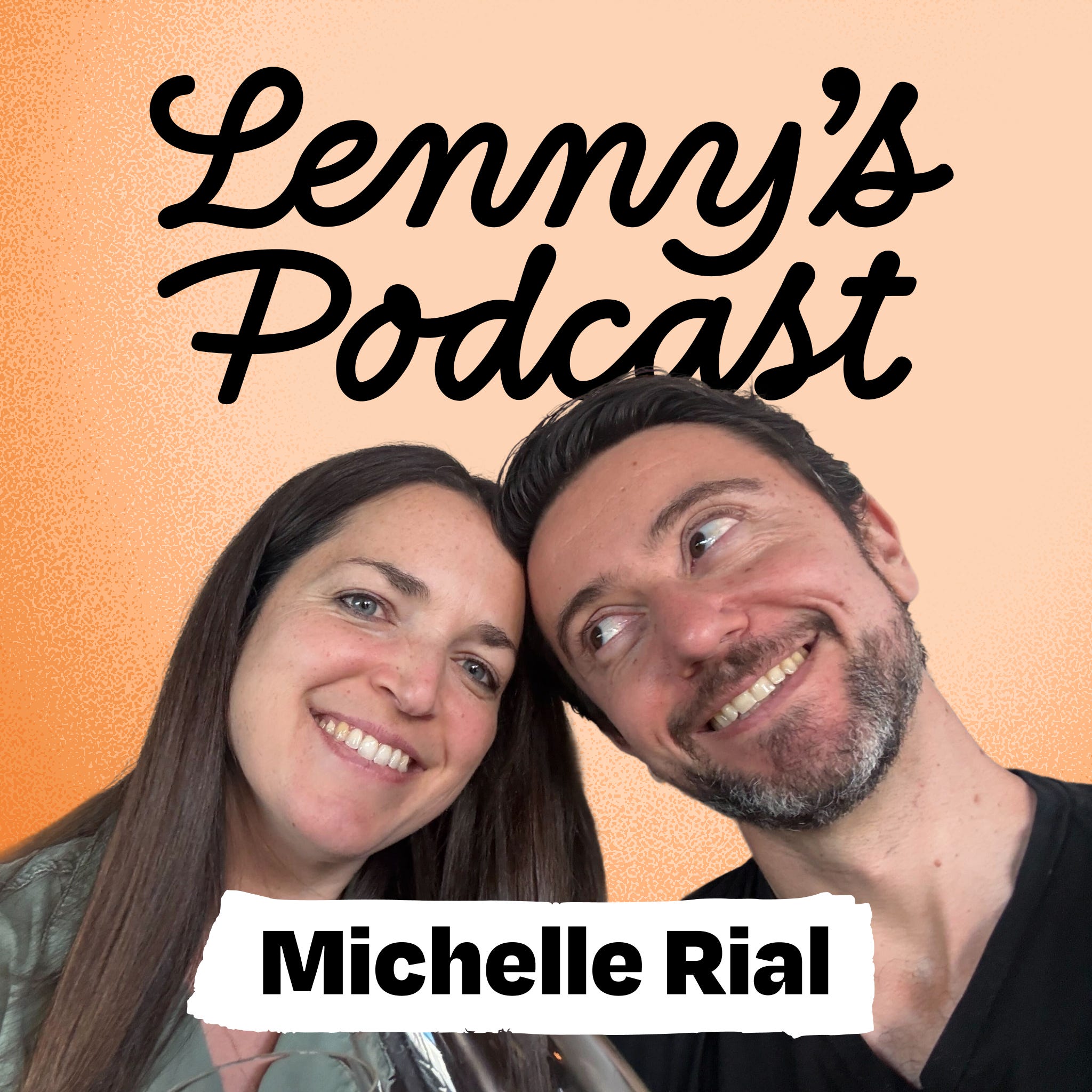
Artist Michelle Rial finds her creativity dries up when she focuses too hard on producing work. Her best ideas emerge from living life, observing the world, and processing her experiences. Creativity requires input from real life, not just scheduled output.
Like meditation, writing is a process for understanding one's own mind, not just a means to an end. The goal is the insight that emerges during the act, not the polished artifact. Adopting practices like Julia Cameron's "morning pages" and even recycling the journals decouples writing from performance pressure.

Rick Rubin avoids regret by viewing each project as a "diary entry"—a reflection of the best he could do at a specific moment in time. Since it was the peak of his ability *then*, there's nothing to be critical of later. If it could have been better, he would have kept working on it.

Reframe creativity not as an artistic skill aimed at producing a quality output, but as a daily wellness habit like exercise or meditation. The goal isn't achievement but the mental and emotional benefits derived from the process itself, such as increased mental flexibility and reduced stress.
The pressure to produce numerous "meaningful" pieces of content leads to burnout and inaction. The solution is to shift your mindset from "creating" polished works to simply "documenting" your daily process. This lowers the creative barrier and makes consistent, high-volume output sustainable.

Framing content creation through a "legacy lens"—asking if a piece of work would matter if it were your last—fundamentally shifts the focus. It moves beyond tactical strategy ('what works') to core beliefs ('what's worth saying'), resulting in more meaningful and impactful communication.

Setting extreme daily creative goals leads to discouragement and abandonment. By lowering immediate expectations ("make art when you can, relax when you can't"), you remove the pressure, make the activity enjoyable, and encourage the consistency that leads to far greater output over time.

The most enduring and interesting creations are those that are an extension of the creator's personality, values, and identity. This alignment makes the work feel less like a job and more like self-expression, providing a source of "abiding joy" that doesn't deplete.
![Patrick O’Shaughnessy - Creating on Principle - [Invest Like the Best, EP.455] thumbnail](https://megaphone.imgix.net/podcasts/816fce6a-f5b6-11f0-9c9c-33831009577b/image/1f5ec11a816e37bc484e46cbf9b3421d.jpg?ixlib=rails-4.3.1&max-w=3000&max-h=3000&fit=crop&auto=format,compress)
The ultimate goal for a creative should not be maximizing short-term reach, but protecting their energy to ensure they can continue creating for years. Unlike business spreadsheets, your personal desire and capacity to 'keep playing the game' is your most valuable, non-negotiable asset.

To build a sustainable career, creatives can't rely solely on external validation like sales or praise. Motivation must come from the intrinsic value found in the act of "making the thing." This internal focus is the only way to avoid an insatiable and unfulfilling need for approval.
