Get your free personalized podcast brief
We scan new podcasts and send you the top 5 insights daily.
Reframe creativity not as an artistic skill aimed at producing a quality output, but as a daily wellness habit like exercise or meditation. The goal isn't achievement but the mental and emotional benefits derived from the process itself, such as increased mental flexibility and reduced stress.

Related Insights
Many technical founders feel they aren't creative. The solution is to reframe this belief by deciding to be creative and then proving it to yourself through consistent action, like writing daily, to build a new identity.

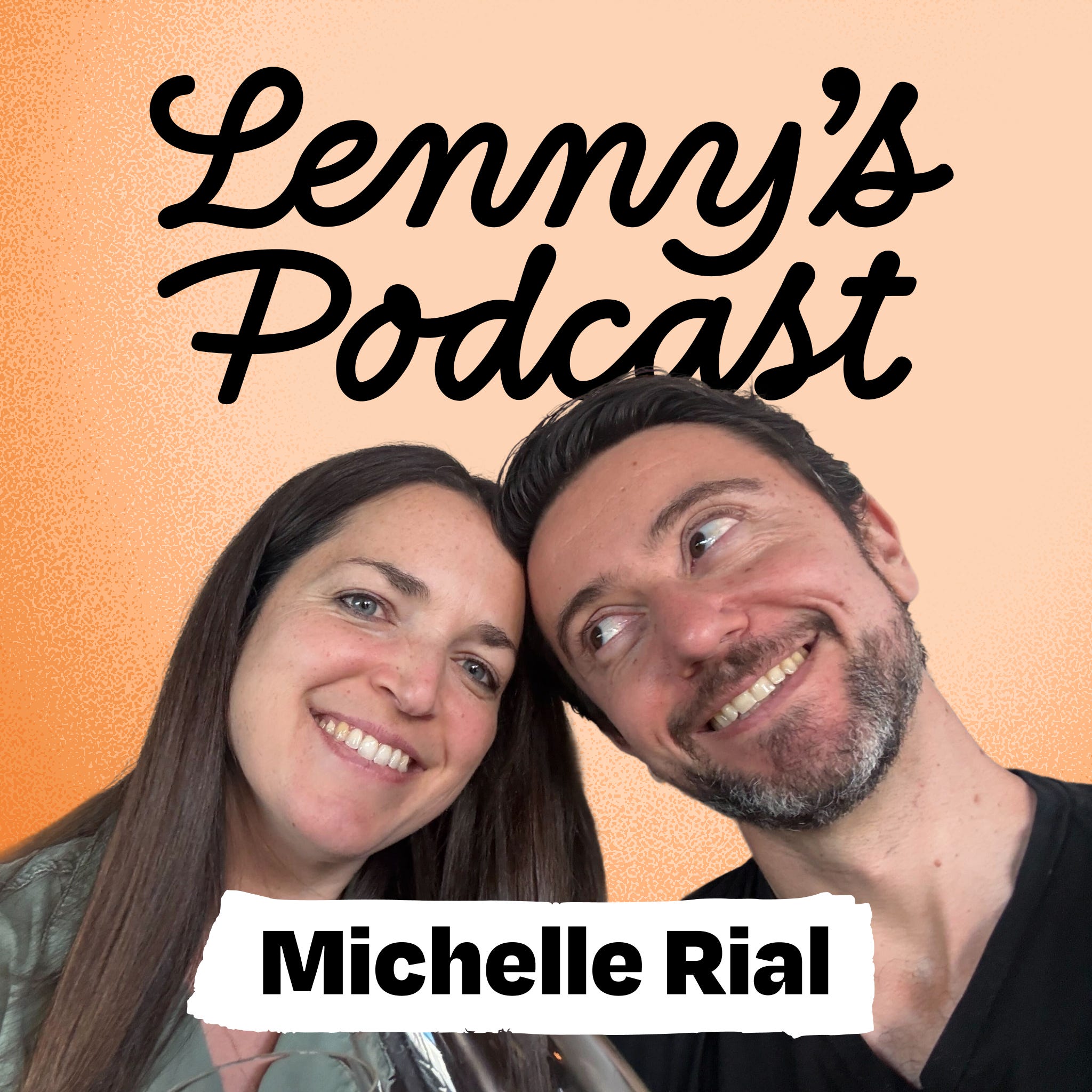
Artist Michelle Rial finds her creativity dries up when she focuses too hard on producing work. Her best ideas emerge from living life, observing the world, and processing her experiences. Creativity requires input from real life, not just scheduled output.
Creative breakthroughs rarely happen while staring at a screen. Disconnecting and engaging in physical activity like a run is a proven method for generating novel ideas, as the mental space it creates allows solutions and inspiration to surface.

People struggle to retain information because they lack a regular outlet to apply it. A creative practice (podcast, blog, art) provides the motivation to actively 'scavenge' for insights and a structure to synthesize them, improving retention.

A study of artists found the most creative ones didn't block off more time to think. Instead, they practiced 'reflection in action'—constantly mixing drawing with rethinking the problem. Reframing is not a separate, time-consuming first step, but a continuous habit integrated into the workflow in short intervals.

Like sleep, creativity is a non-conscious process that can't be forced. Instead of demanding ideas, leaders should practice "creativity hygiene." This involves arranging conscious behaviors to facilitate creative output, such as seeking novelty, embracing ambiguity, and building the team's creative confidence.
Constant productivity keeps the brain in a high-frequency "beta" state, which stifles creativity. To solve complex problems, you must intentionally shift to a slower "alpha" state by disconnecting. This is achieved through simple, non-distracting activities like walking in nature without your phone.

Unlike administrative tasks, creative work can't be 'white-knuckled' through brute force. It requires a receptive state of mind, best cultivated by changing your environment, ensuring you're well-rested, and allowing for unstructured time away from stressful tasks.
Setting extreme daily creative goals leads to discouragement and abandonment. By lowering immediate expectations ("make art when you can, relax when you can't"), you remove the pressure, make the activity enjoyable, and encourage the consistency that leads to far greater output over time.

Meaningful cognitive shifts don't require large blocks of time. The brain responds more to the consistency and novelty of brief, daily creative engagements than to the duration of a single session. This makes developing a creative habit more accessible and effective for improving mental flexibility.