Get your free personalized podcast brief
We scan new podcasts and send you the top 5 insights daily.
Far from creating a passive society, accessible AI tools are fostering a resurgence of hands-on experimentation and individual empowerment reminiscent of early PC hobbyists. This "tinkering energy" allows individuals to build and customize technology, counteracting the dystopian vision of AI-generated "slop."

Related Insights
The current AI shift mirrors the invention of the printing press. Just as the press made reading/writing accessible beyond a small scribe class, AI is making software creation accessible to everyone, potentially unlocking a new "Renaissance" of innovation.

The tool's real impact is empowering non-specialists, like Shopify's CEO, to experiment with and improve AI models. This dramatically expands the talent pool beyond the few thousand elite PhDs, accelerating progress through broad-based tinkering rather than just isolated AGI breakthroughs.

The most significant impact of AI isn't just serving developers or consumers, but dissolving the barrier between them. AI tools empower non-technical creators—filmmakers, writers, solopreneurs—to build complex projects, unlocking a wave of innovation from individuals previously blocked by technical hurdles.

The PC revolution was sparked by thousands of hobbyists experimenting with cheap microprocessors in garages. True innovation waves are distributed and permissionless. Today's AI, dominated by expensive, proprietary models from large incumbents, may stifle this crucial experimentation phase, limiting its revolutionary potential.

AI tools lower the barrier to software creation so dramatically that individuals with creative ideas but weak coding skills can now build complex applications. This marks a shift where creative direction surpasses technical implementation as the key skill.

The release of Kimi 2.5, a powerful trillion-parameter open-source model, marks a pivotal moment. It democratizes access to state-of-the-art AI reasoning, giving individuals and nations data sovereignty and control. This is a clear challenge to the dominance of closed-source, 'black box' models from companies like OpenAI and Google.
The combination of AI's reasoning ability and cloud-accessible autonomous labs will remove the physical barriers to scientific experimentation. Just as AWS enabled millions to become programmers without owning servers, this new paradigm will empower millions of 'citizen scientists' to pursue their own research ideas.

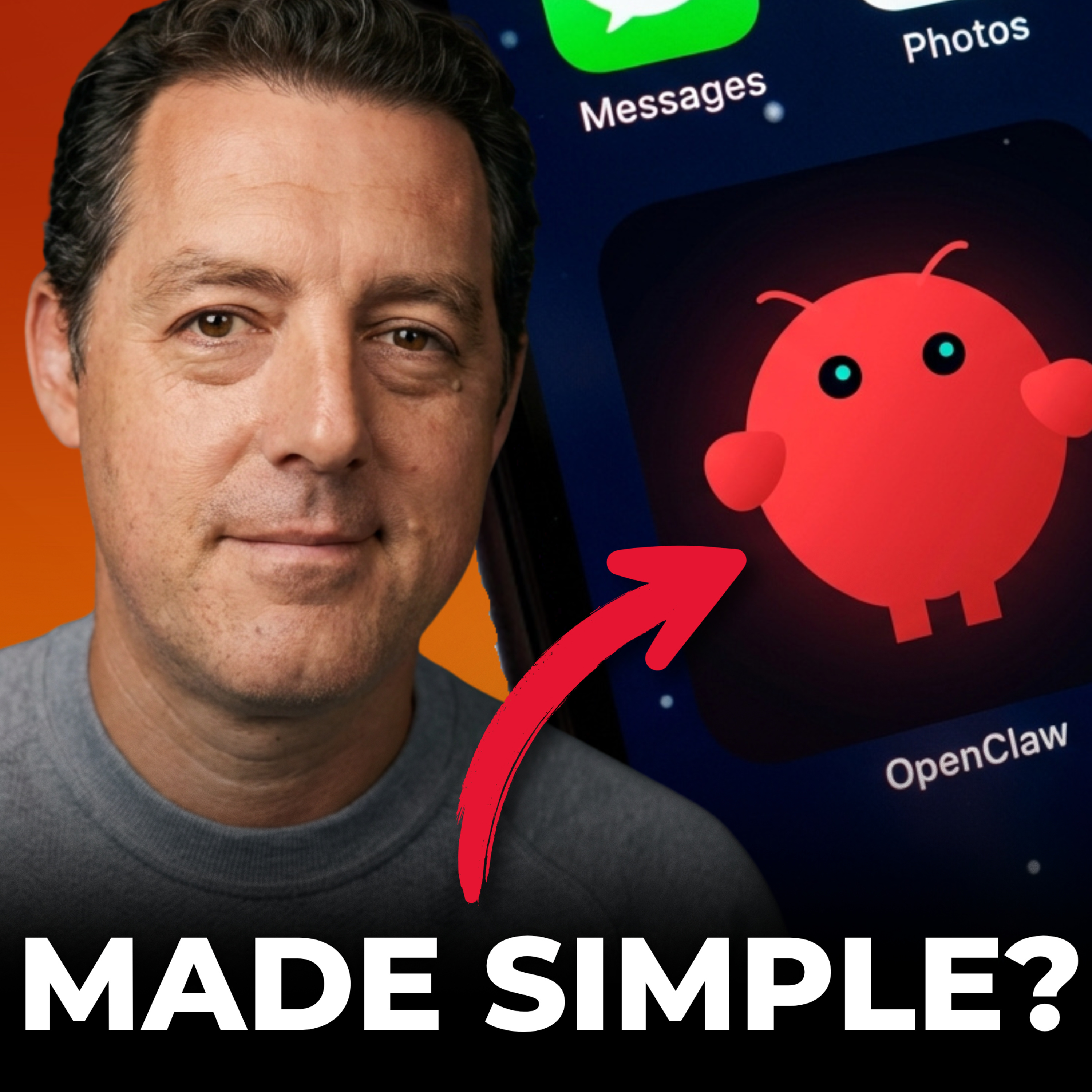
The excitement around tools like OpenClaw stems from their ability to empower non-programmers to create custom software and workflows. This replicates the feeling of creative power previously exclusive to developers, unlocking a long tail of niche, personalized applications for small businesses and individuals who could never build them before.
Futurist Freeman Dyson predicted biotechnology would follow computing's path, moving from large institutions to individual creators. AI is accelerating this shift by lowering the cognitive barrier to entry, potentially making biological design an accessible, decentralized craft. This counters the dominant narrative of AI as a purely centralizing force.
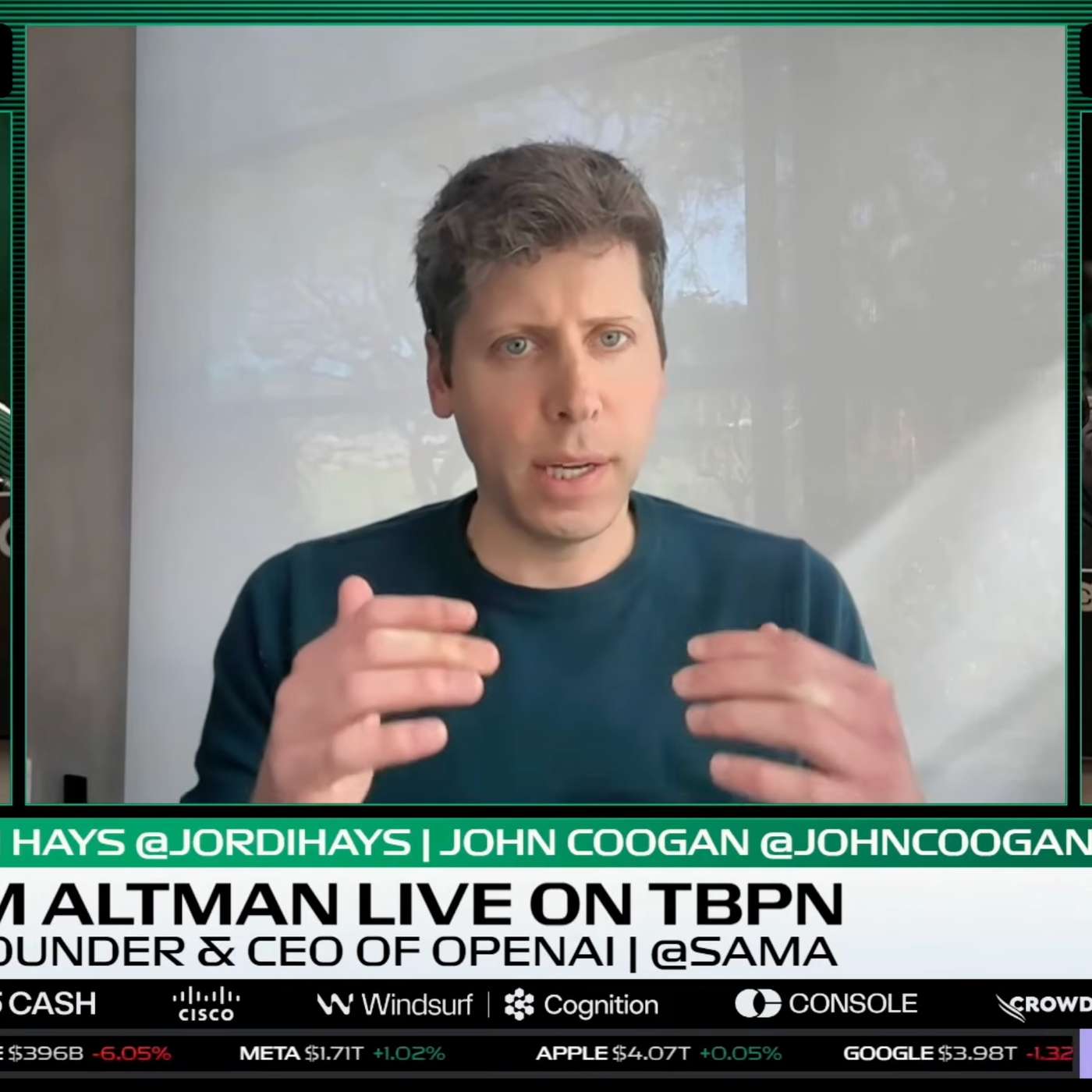
Altman praises projects like OpenClaw, noting their ability to innovate is a direct result of being unconstrained by the lawsuit and data privacy fears that paralyze large companies. He sees them as the "Homebrew Computer Club" for the AI era, pioneering new UX paradigms.