Get your free personalized podcast brief
We scan new podcasts and send you the top 5 insights daily.
The guest is drawn to businesses with unconventional strategies that haven't yet proven successful and face market skepticism. This period of doubt, or a "wall of worry," often presents the most attractive entry point for investors before the market recognizes the company's breakout potential.

Related Insights
The best business opportunities often appear foolish to the majority at first. If an idea sounds good to everyone, it's likely a competitive space. Starting a print magazine in 2024 sounds dumb, but the underlying desire for high-quality, scarce content makes it a powerful, contrarian bet.
![Patrick O’Shaughnessy - Creating on Principle - [Invest Like the Best, EP.455] thumbnail](https://megaphone.imgix.net/podcasts/816fce6a-f5b6-11f0-9c9c-33831009577b/image/1f5ec11a816e37bc484e46cbf9b3421d.jpg?ixlib=rails-4.3.1&max-w=3000&max-h=3000&fit=crop&auto=format,compress)
Even professional venture capitalists struggle to predict their breakout hits. Morgan Housel notes that at his fund, the companies that became their biggest winners were not the ones they initially expected to succeed, while their 'obvious' bets often failed.

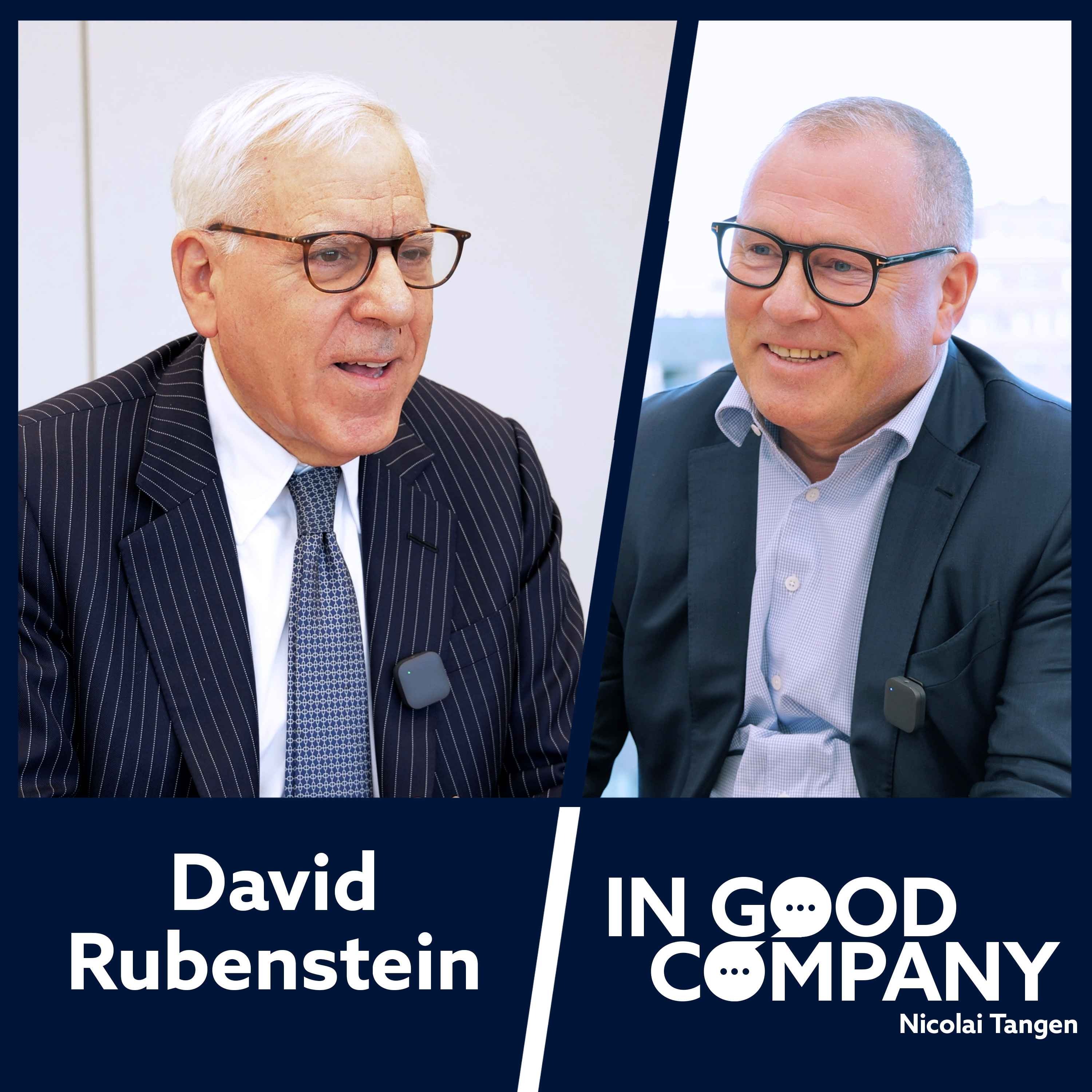
To achieve above-average investment returns, one cannot simply follow the crowd. True alpha comes from contrarian thinking—making investments that conventional wisdom deems wrong. Rubenstein notes the primary barrier is psychological: overcoming the innate human desire to be liked and the fear of being told you're 'stupid' by your peers.
Investors often reject ideas in markets where previous companies failed, a bias they call "scar tissue." This creates an opportunity for founders who can identify a key change—like new AI technology or shifting consumer behavior—that makes a previously impossible idea now viable.

Sequoia's founder taught that the best investments are in individuals who are both exceptional and "not so easy to get along with." These founders challenge convention and refuse to accept the world as it is, a trait that makes them unconventional but also uniquely capable of building category-defining companies.
True entrepreneurial opportunity exists where consensus is wrong. By the time a trend like AI or cloud computing is mainstream, it's too late to build a foundational company. Entrepreneurs must find ideas that are currently not well-liked or appreciated and see the gap between the popular view and the idea's actual potential.
Palo Alto Networks pursued cloud cybersecurity when experts claimed no one would trust it. Founder Nir Zook saw this skepticism not as a warning, but as a sign of a wide-open market with a significant competitive moat if they could prove the doubters wrong.

When an idea is met with a "wall of skepticism" from investors, it can be a positive sign of a good, non-obvious market. If every VC immediately validates your idea, it's likely too obvious and crowded. Proving early skeptics wrong with traction is a powerful path to building a defensible business.
Pursuing a genuinely non-obvious idea feels risky, not just uncertain. This feeling of danger—the fear of wasting years on a potential failure—is often a signal that you're working on something truly contrarian and valuable, as it deters others.

To achieve exceptional results, you must believe something and take action that the consensus thinks is wrong. This requires a non-consensual, often stubborn conviction. This path is high-risk because it means you are either a visionary who is early or you are simply an idiot.
