Get your free personalized podcast brief
We scan new podcasts and send you the top 5 insights daily.
A core tenet of atheism is not just non-belief, but a principled respect for others' right to have faith. It is not about discriminating against believers; rather, it’s about defending everyone’s freedom of belief, including the freedom not to believe.

Related Insights
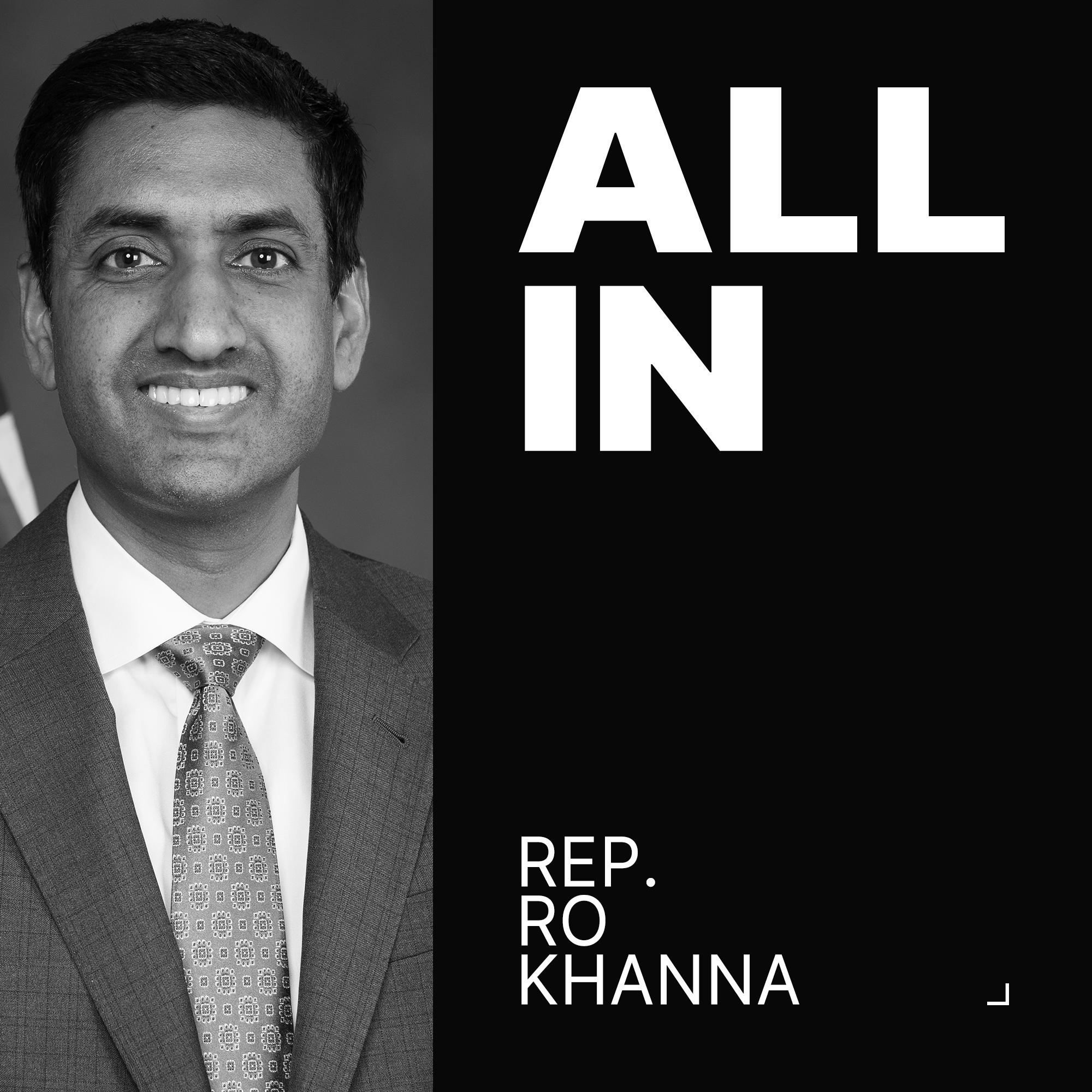
Ro Khanna argues that the true measure of a commitment to free speech isn't defending allies, but defending the speech of opponents. He builds credibility by citing his record of defending views he disagrees with, asserting this consistency is lacking on both political sides.
Instead of clinging to a belief because it feels "true," treat beliefs as tools. The goal isn't to prove a belief's factual accuracy but to select the one that best serves your well-being and goals. This frees you from being trapped by negative beliefs that feel true but are disempowering.

When you fuse your identity with a political philosophy, any challenge to that ideology feels like a personal attack on you. This emotional reaction prevents rational debate. To foster better conversations, you must create distance between your beliefs and your fundamental sense of self.

The right to privacy originated not from a demand for personal space, but as a necessary political compromise to end centuries of religious bloodshed. Granting freedom of conscience in private paved the way for broader personal freedoms.

People often confuse empathy with agreement. In collaborative problem-solving, empathy is a tool for understanding. You can completely disagree with someone's perspective while still working to accurately understand it, which is the necessary first step to finding a solution.

There is a critical distinction between being 'nice' and being 'good'. A nice guy's primary motivation is to get along and be liked, avoiding conflict. A good man, however, is defined by the ideals he stands for and is willing to stand against things that violate them, even if it makes him unpopular.

Believing this life is the only one can be a source of strength. The realization that you and everyone else will be gone makes personal embarrassments and failures insignificant, providing the courage to take risks and forgive yourself daily.
When people can no longer argue, disagreements don't vanish but fester until violence becomes the only outlet. Protecting even offensive speech is a pragmatic necessity, as open debate is the only mechanism that allows societal pressures to be released peacefully.

The popular advice to 'bring your full self to work' is flawed and impractical. True authenticity isn't about sharing every detail of your life. Instead, it's about consistently acting in alignment with your established values. You can be authentic while still maintaining personal privacy.

A thought becomes distressing and "ego-dystonic" when it fundamentally conflicts with a person's values and self-identity. The same thought (e.g., a blasphemous one) can be deeply disturbing to a religious person but meaningless to an atheist.
