Get your free personalized podcast brief
We scan new podcasts and send you the top 5 insights daily.
Ken Griffin's $2 billion donation to establish a Carnegie Mellon campus in Miami highlights a critical requirement for new tech hubs. Without a top-tier local technical university, cities struggle to build a sustainable talent pipeline, as graduates from other regions often prefer to stay local, stunting the new hub's growth.

Related Insights
The reversal of corporate relocation to suburbs is fueled by a global "race for talent." Emanuel notes that companies like McDonald's and GE Healthcare have moved their headquarters back to urban centers like Chicago specifically to attract and retain the skilled knowledge workers who prefer city life and amenities.

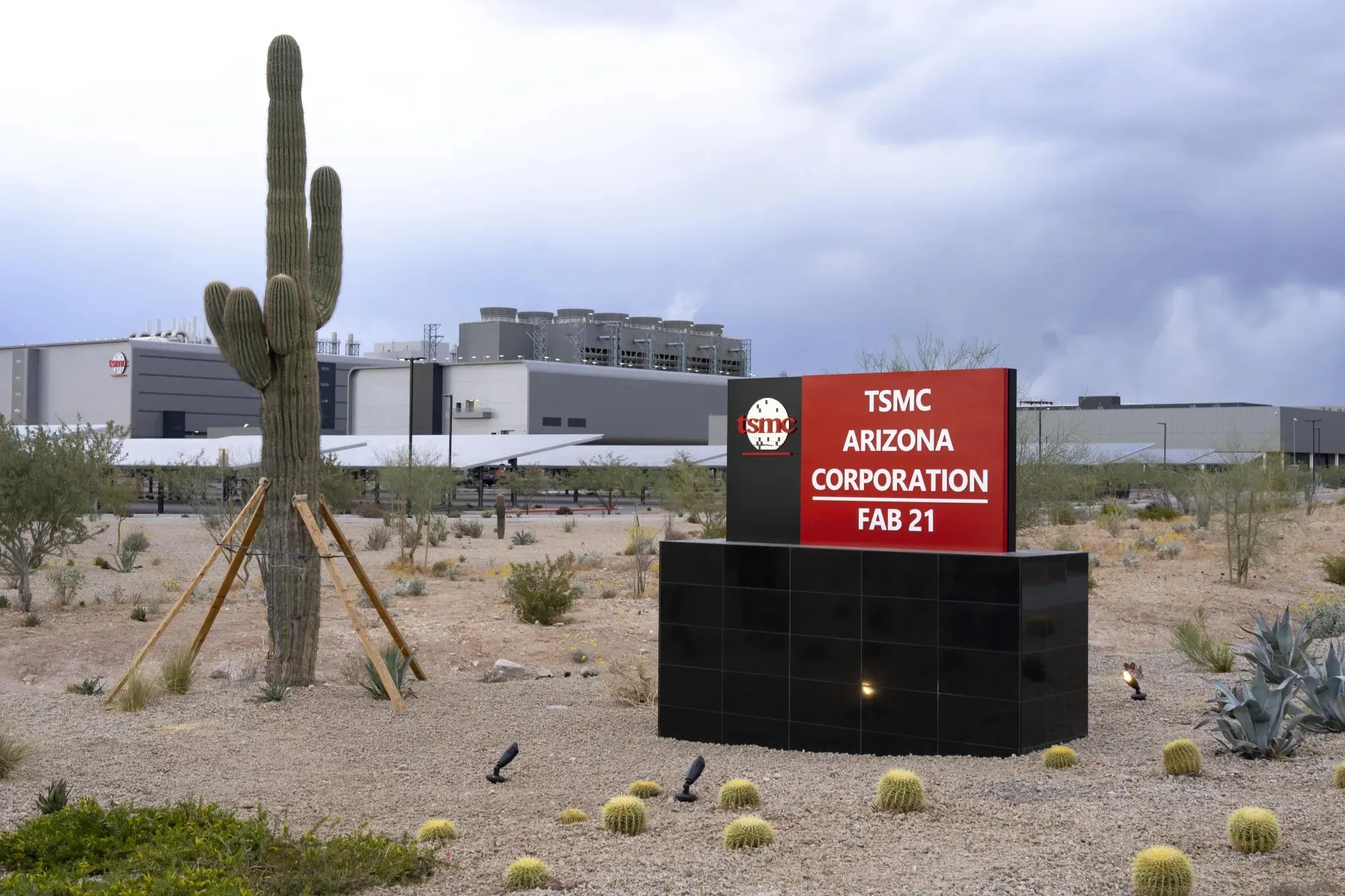
A key benefit of attracting companies like Intel and TSMC is not just job creation, but talent retention. ASU has the nation's largest engineering school, but graduates historically left for jobs elsewhere. These new fabs provide compelling local opportunities, reversing the state's brain drain.
The skilled trade shortage is a market failure that directly threatens the AI infrastructure buildout. Multi-trillion dollar tech companies, who have the most to gain, should solve this problem themselves by funding trade schools and apprenticeships rather than waiting for the government. It's a direct investment in their own growth.

Instead of creating unaccredited, expensive schools like the A16Z Academy, tech leaders could have a far greater societal impact by funding existing public university systems. These institutions already serve a massive, diverse population and are proven engines of upward mobility.

Instead of being standalone institutes, CZI's Biohubs in San Francisco, Chicago, and New York are deeply integrated with elite universities like Stanford, Northwestern, and Columbia. This strategic model provides immediate access to world-class talent, research infrastructure, and collaborative opportunities, forming the "magic of the model."

Stanford's success in incubating tech giants like Google and Tesla highlights the power of a "physical cluster." By co-locating ambitious students, faculty, and venture capitalists in one place, the university creates a multiplier effect on innovation that individuals and companies can replicate in their own environments.

Fintech giant Ramp attributes its early hiring success to building in New York City. Unlike the hyper-competitive, short-tenure culture of Silicon Valley at the time, NYC offered a pool of talented engineers seeking long-term roles. This talent arbitrage allowed Ramp to build a stable, high-quality team and "punch way above its weight."

Companies like Hilton are targeting college towns because universities function as anchor tenants for entire cities. They generate a consistent, year-round stream of visitors and economic activity—from move-in days to alumni weekends—creating a highly resilient and predictable market for service businesses to tap into.
Instead of creating a tech sector from scratch, the most effective path is to identify and invest in tech niches adjacent to a city's existing industries (e.g., Energy Tech for an oil town). This leverages existing talent, infrastructure, and supply chains, making the transition more natural and sustainable.

Boston's historical strength lies in its co-located universities, capital, and talent. To maintain dominance, its new competitive advantage must be the interconnectivity of these components. The ecosystem that builds the fastest learning and iteration cycles will win, not just the one with the best raw ingredients.