Get your free personalized podcast brief
We scan new podcasts and send you the top 5 insights daily.
Stanford's success in incubating tech giants like Google and Tesla highlights the power of a "physical cluster." By co-locating ambitious students, faculty, and venture capitalists in one place, the university creates a multiplier effect on innovation that individuals and companies can replicate in their own environments.

Related Insights
A core, overlooked element of the Biohub's success is physically bringing together scientists and engineers from competing universities like Stanford, UCSF, and Berkeley. This simple act of co-location dismantled institutional barriers and fostered a level of collaboration that was previously uncommon.

Contrary to the post-COVID trend of tech decentralization, the intense talent and capital requirements of AI have caused a rapid re-centralization. Silicon Valley has 'snapped back' into a hyper-concentrated hub, with nearly all significant Western AI companies originating within a small geographic radius.

Andreessen argues that Silicon Valley's core strength is not any specific technology, but its unique ecosystem for recycling talent and capital from previous cycles into new ones. This creates the critical mass and enthusiasm needed for each technological revolution, like AI, to take off.

Instead of being standalone institutes, CZI's Biohubs in San Francisco, Chicago, and New York are deeply integrated with elite universities like Stanford, Northwestern, and Columbia. This strategic model provides immediate access to world-class talent, research infrastructure, and collaborative opportunities, forming the "magic of the model."
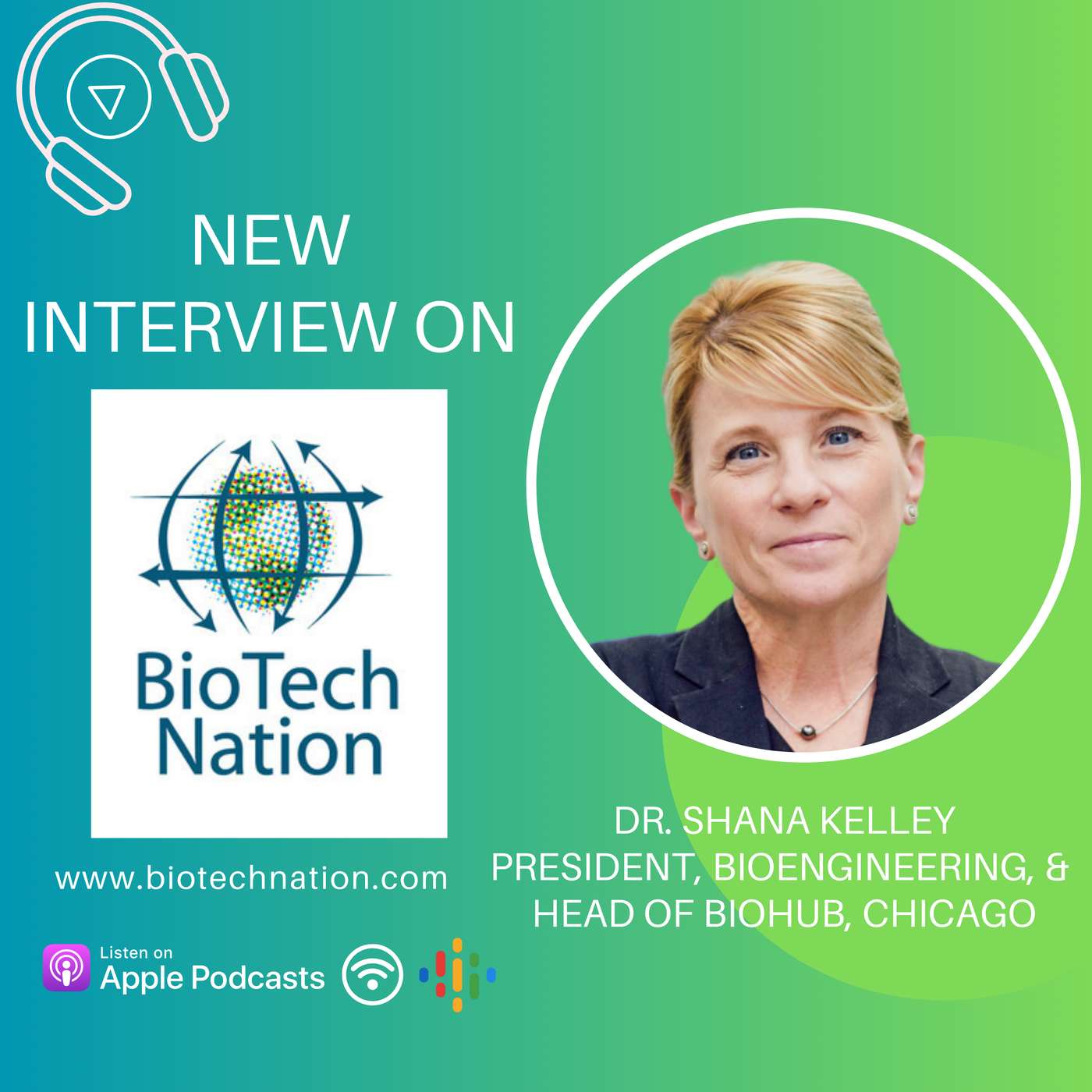
CZI's Biohub model hinges on a simple principle: physically seating biologists and engineers from different institutions (Stanford, UCSF, Berkeley) together. This direct proximity fosters collaboration and creates hybrid experts, overcoming the institutional silos often reinforced by traditional grant-based funding.

The next wave of physical communities, or "startup societies," are being directly inspired by digital-native ideas. This moves beyond online forums to creating real-world spaces centered around specific innovations like biotech, education, or even intersections of culture like a "tech hip hop community."
Stanford now operates like a startup incubator where VCs employ upperclassmen as "talent scouts" to identify promising freshmen. These VCs then offer the 18-year-olds millions in "pre-idea funding"—capital invested before a business concept even exists—encouraging them to drop out and build a company.
According to Y Combinator partners, the network effects and density of talent, capital, and customers in San Francisco are so powerful that being physically based there can double a startup's chances of reaching a billion-dollar valuation compared to other major tech hubs like New York.

Vanderbilt University's campus design, placing research labs, a hospital, and computational cores in close proximity, created a unique "bench to bedside" environment. This physical integration of disciplines was a key catalyst for Wyatt McDonnell's career in computational biology and shaped his interdisciplinary approach to science.
CZI's Biohub model fosters cross-disciplinary breakthroughs by physically sitting engineers and biologists together. This simple organizational tactic encourages informal communication and collaboration, proving more effective at solving complex problems than formal structures and reporting lines.