Get your free personalized podcast brief
We scan new podcasts and send you the top 5 insights daily.
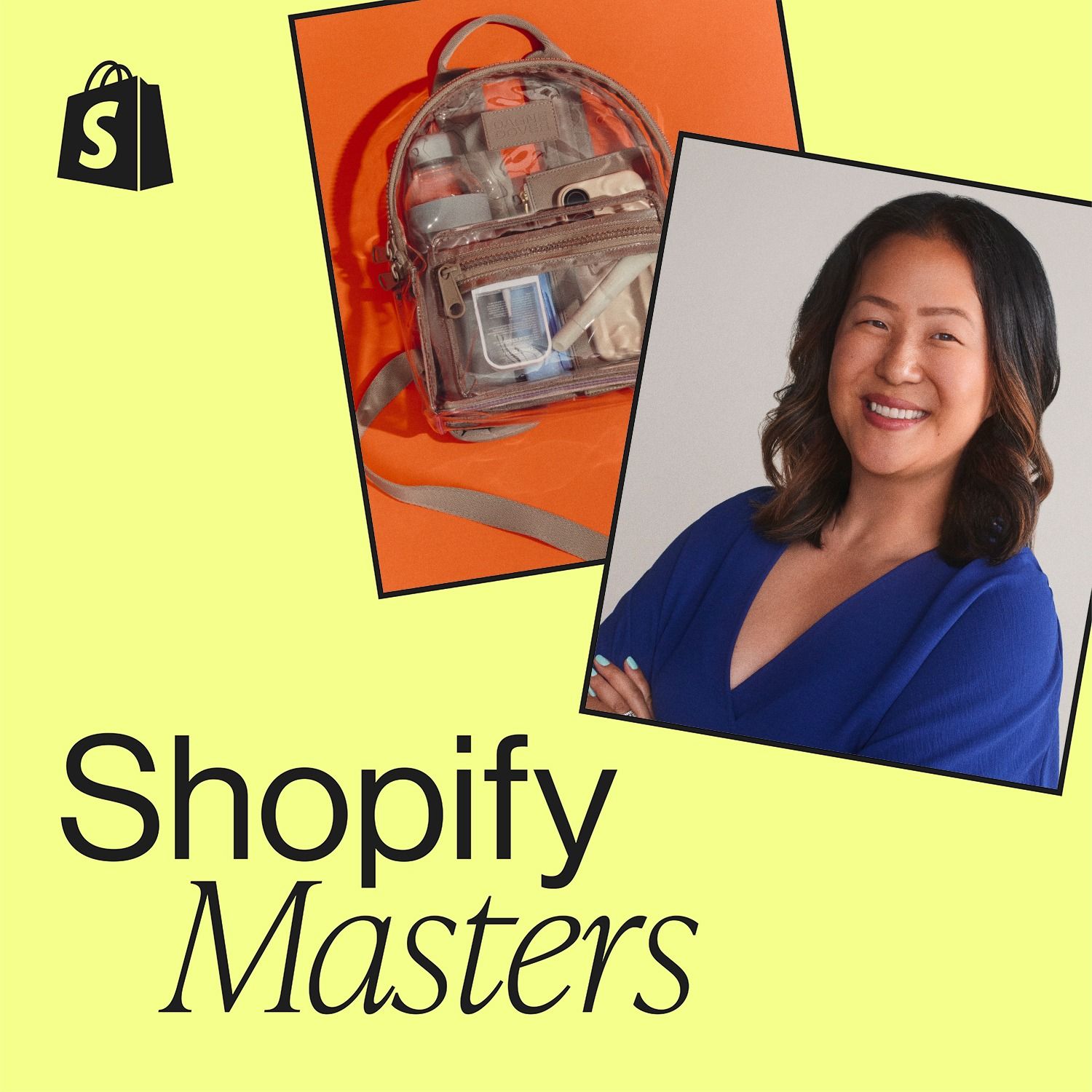
The brand strategically selects diverse retail partners like Nordstrom and Equinox to reach different customer demographics. This approach uses wholesale for brand awareness and market penetration rather than viewing it purely as a revenue stream.
Related Insights
Instead of a wide launch, Dagne Dover began with 20 carefully selected Nordstrom doors. Proving sell-through in a limited scope gave them negotiating power to control the pace of expansion and secure better terms, avoiding pitfalls common for young brands.
A wine importer found that 70% of his business comes from California wholesale with an 80% reorder rate. This powerful data indicates strong product-market fit within the wholesale channel, suggesting that allocating resources to training distributors and buyers in new markets is a higher-leverage activity than focusing on the less-developed D2C channel.

The company never proactively pitched major retailers. Instead, they focused on creating a powerful digital presence and a superior product. This strategy made the brand so desirable that major players like Sephora initiated the partnership, flipping the traditional wholesale sales dynamic.

True Religion strategically defines the objective of each partnership before launch. A collaboration with Ford aimed for mass scale and broad awareness. In contrast, a partnership with fashion brand Bella Donna was specifically designed to attract a new, targeted audience (the Hispanic consumer), showcasing a dual-pronged approach to growth.

e.l.f. tailors its distribution strategy to each retailer's unique audience without diluting its core brand. For Dollar General, it serves 'beauty deserts' in rural areas, bringing in new cosmetic shoppers. This illustrates how a brand can maintain a consistent identity while adapting its channel strategy to capture entirely different market segments.

For a premium DTC brand, broad retail expansion is a trap that reduces margins, invites knockoffs, and cheapens the brand. Instead, selectively partner with only a few key, trusted retailers to reach new, targeted audiences without overexposing the product and sacrificing its premium positioning.
For CPG brands, a physical retail presence, even with lower margins, should be viewed as a customer acquisition strategy. It provides crucial visibility and trial, driving customers to your higher-margin direct-to-consumer website for subsequent purchases and retention.
Coterie treats its physical retail presence not just as a sales channel, but as a marketing tool. A well-placed product block acts like a billboard, driving discovery and funneling 10-12% of new customers back to their primary D2C subscription business.

With 80% of revenue coming from more profitable D2C sales, Heaven Mayhem views its retail partnerships as a marketing expense. The primary goals are brand alignment, credibility, and reaching new audiences through partners like Selfridges, rather than maximizing wholesale revenue.

For brands with both physical and wholesale channels, physical stores should serve as marketing assets. Instead of scaling the number of locations, invest heavily in making a few stores so visually appealing and experience-driven that customers are compelled to share on social media, generating free buzz.