Get your free personalized podcast brief
We scan new podcasts and send you the top 5 insights daily.
PepsiCo bought KFC in 1986, sold the restaurants in 1997, yet Pepsi stayed the official soda for KFC, Pizza Hut, and Taco Bell for 29 years. Yum! Brands only switched KFC to Coca-Cola this year. This shows brand partnerships can outlive corporate ownership and M&A for decades.

Related Insights
The risk of Pepsi launching a competing energy drink is low because it already tried and failed to grow its own brand, Rockstar. This past failure, combined with its 11% equity stake in Celsius, strongly incentivizes Pepsi to remain a distribution partner rather than attempt to build another in-house competitor.

Coke's ads featuring restaurant partners aren't just altruism; they're a strategic defense of the businesses that account for 69% of its revenue. The campaign educates consumers that high-margin drink sales are what keep restaurants solvent, thus securing Coke's primary sales channel.
Coca-Cola's relationship with McDonald's became a powerful symbiotic partnership. Coke helped McDonald's expand globally by providing office space and local relationships. In return, Coke received a massive, loyal sales channel with preferential treatment, demonstrating how deep partnerships create value far beyond simple transactions.
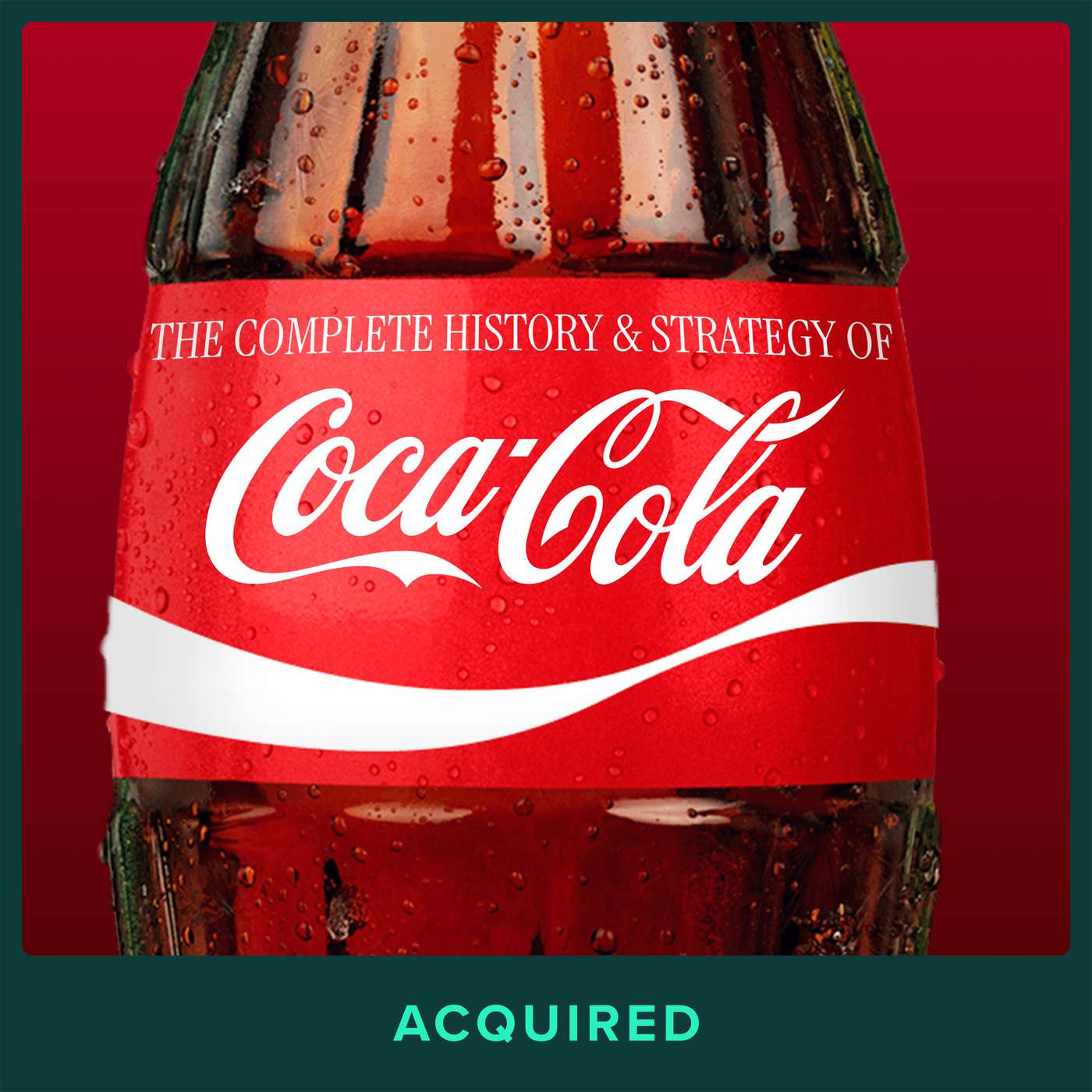
Closely guarded secrets, such as KFC's 11 herbs and spices or Coca-Cola's formula, are more than just intellectual property. They function as powerful, enduring marketing tools that create a sense of mystique, public fascination, and lasting brand identity.
Amazon's attempt to 'Amazonify' Whole Foods by adding processed foods like Doritos and Pepsi highlights the brand clash that causes two-thirds of corporate acquisitions to fail. The strategy, which includes hiding junk food in back rooms, is a sign of impatience and a fundamental misunderstanding of the acquired brand's value.
Brands that have survived for 50-100 years are likely to survive another 50 (the 'Lindy Effect'). Their audiences feel a sense of ownership, making them incredibly loyal and forgiving. This creates a durable, defensible asset that is hard to kill, even with mistakes.
PepsiCo's restaurant division failed not due to bad products, but because the parent company imposed its "packaged goods" processes on a "service" business. Recognizing and resolving this deep cultural incompatibility, even by spinning off the unit, was the key to unlocking the division's true value and allowing it to thrive independently.

To break a decades-long stalemate with Pepsi, a Coca-Cola CEO reframed their market from "share of soda" to "share of all liquids." This shifted their market share from 50% to 0.5%, unlocking new growth avenues like bottled water (Dasani) and ultimately dominating the beverage industry.

As consumers shift away from sugary drinks, Coca-Cola's dominance in the diet and health-conscious space is a key driver of its outperformance. Americans drink 2.5 times more Diet Coke than Diet Pepsi, and Coca-Cola was quicker to expand into adjacent healthy categories like protein shakes, capturing a consumer base that Pepsi struggles to win.
You don't need to be a true monopoly to dominate a market. Brands like Coca-Cola and Pepsi, while operating in a competitive landscape, have built such powerful moats through brand, scale, and distribution that retailers are forced to carry their products, effectively giving them monopoly-like power.