Get your free personalized podcast brief
We scan new podcasts and send you the top 5 insights daily.
The risk of Pepsi launching a competing energy drink is low because it already tried and failed to grow its own brand, Rockstar. This past failure, combined with its 11% equity stake in Celsius, strongly incentivizes Pepsi to remain a distribution partner rather than attempt to build another in-house competitor.

Related Insights
The risk-return profile for a beverage brand mirrors a venture-style investment: it requires significant capital with a high failure rate, but the few successes yield massive, multi-billion dollar outcomes. This differs from food or beauty, which offer more predictable, traditional private equity returns.

In a beverage market dominated by giants like Pepsi and Coke, Poppi's founders recognized that a strategic acquisition was the only path to global scale. They couldn't get into venues like stadiums due to existing contracts, so they intentionally built the company to be an attractive acquisition target.

The current energy drink market, with its rapid influx of new entrants like Ghost and Bloom, resembles the protein supplement market from 3-4 years ago. That period saw incumbents disrupted by newcomers, who were then quickly disrupted themselves, suggesting a high risk of brand fragmentation and declining loyalty for Celsius.
Large corporations like PepsiCo have effectively outsourced innovation, avoiding the risk of building new brands by acquiring successful startups like Poppi. This dynamic creates a clear and lucrative exit path for entrepreneurs who can build the "next big thing," as they are creating acquisition targets, not just competitors.

After a 38% price hike led to four years of declining sales, PepsiCo is cutting prices. Consumers didn't stop snacking; they switched to cheaper store brands from retailers like Walmart and Costco. This shows that even for iconic brands, there is a ceiling to pricing power before customers abandon them for better value.
A proprietary survey revealed a paradox: while brands like Celsius and Alani have high repurchase intent, over 70% of consumers will switch to a competitor on the spot if their first choice is unavailable. This makes robust distribution and consistent shelf presence as critical as brand marketing for market share.
The disastrous "New Coke" launch, intended to win taste tests, triggered a massive public outcry that demonstrated the brand's deep cultural power. By bringing back "Coca-Cola Classic," the company inadvertently created the most effective marketing campaign imaginable, reminding consumers of their love for the original and halting Pepsi's momentum.
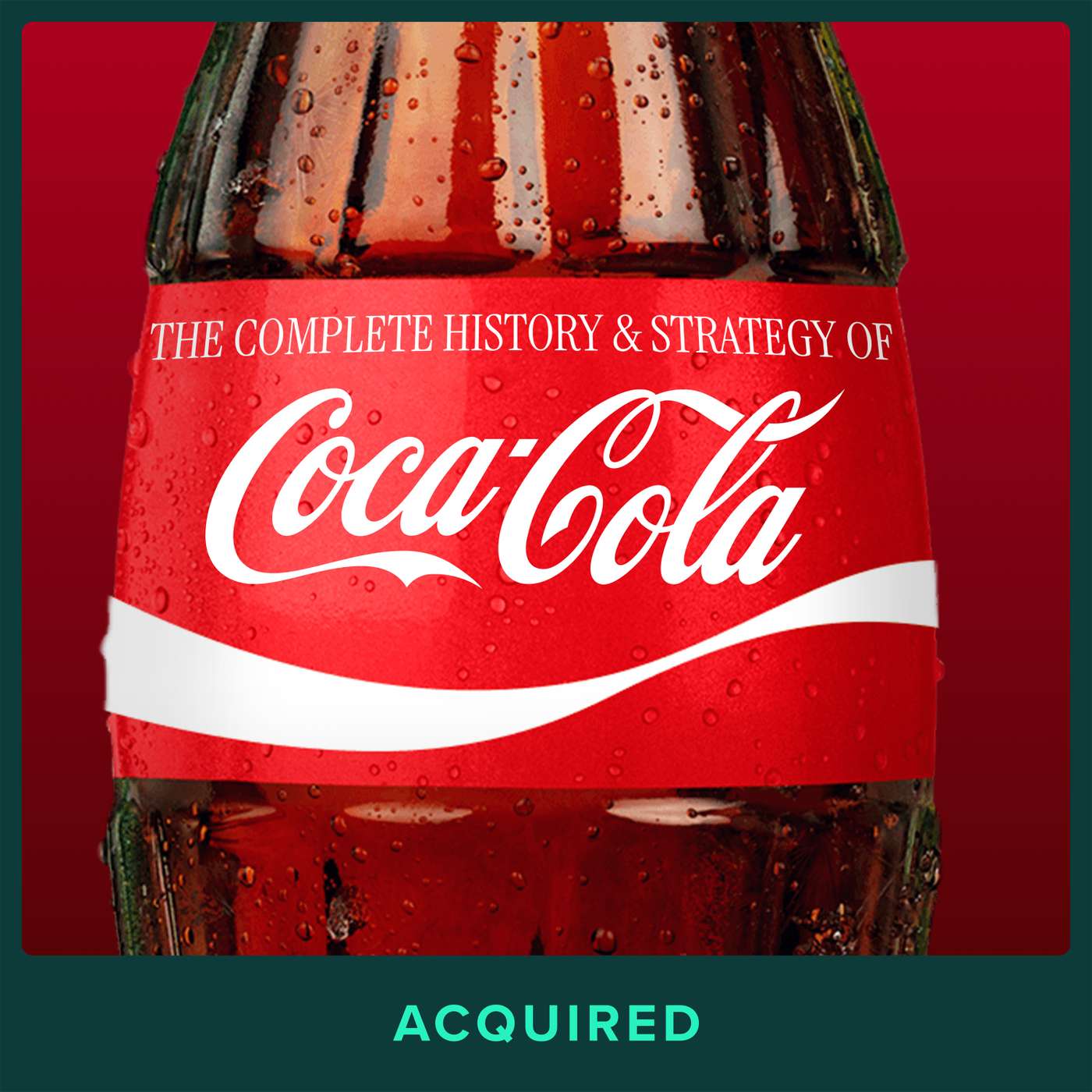
Coke Energy's failure illustrates the "brand permission" paradox. Consumers didn't believe an energy drink could taste like Coke. When the taste was altered to be more like a typical energy drink, it alienated loyalists by not tasting like Coke. The brand was trapped between two conflicting expectations.

The threat from private labels like Costco's Kirkland is minimal because over 70% of energy drinks are impulse buys at convenience stores, not planned bulk purchases. Private labels succeed with price-sensitive staples (e.g., toilet paper), not brand-driven categories where taste and identity are key purchase drivers.
You don't need to be a true monopoly to dominate a market. Brands like Coca-Cola and Pepsi, while operating in a competitive landscape, have built such powerful moats through brand, scale, and distribution that retailers are forced to carry their products, effectively giving them monopoly-like power.