Get your free personalized podcast brief
We scan new podcasts and send you the top 5 insights daily.
John Ternus, Tim Cook's likely successor at Apple, is credited by former executives with making a significant mark on the company's hardware portfolio. He successfully reversed a trend of declining product quality by shifting focus away from prioritizing thinness and sleekness, instead emphasizing core performance and functional improvements.

Related Insights
For a mature company like Apple, the ideal successor to an operator like Tim Cook may not be a risk-taking visionary. A leader like John Ternus, known for maintaining products and driving margins, can be more valuable for sustaining dominance and incremental growth in established markets.

Despite near-unlimited capital and distribution, Apple's most impressive innovation in the last decade has been a thinner iPhone. This is viewed as a major failure of vision and a massive missed opportunity for a company positioned to lead in new technological frontiers.

Contrary to expectations that hardware should get lighter, Apple's Vision Pro refresh actually increased weight. The strategic tradeoff was to improve wearability for long sessions (like an NBA game) by enhancing comfort and balance through a redesigned band, prioritizing user experience over a single spec.

Contrary to narratives focused on its AI lag, Apple is predicted to have its best year ever in 2026. This success will stem from the continued strength of its core iPhone product and a premium foldable phone, as dedicated AI hardware devices from competitors will not yet be mature enough to pose a real threat.

Apple's biggest problem is over-engineering and taking too long to ship. The Apple Car failed because they aimed for a fully autonomous vehicle instead of an iterative luxury EV. Similarly, the Vision Pro could have launched years earlier and been more successful with less "fit and finish."
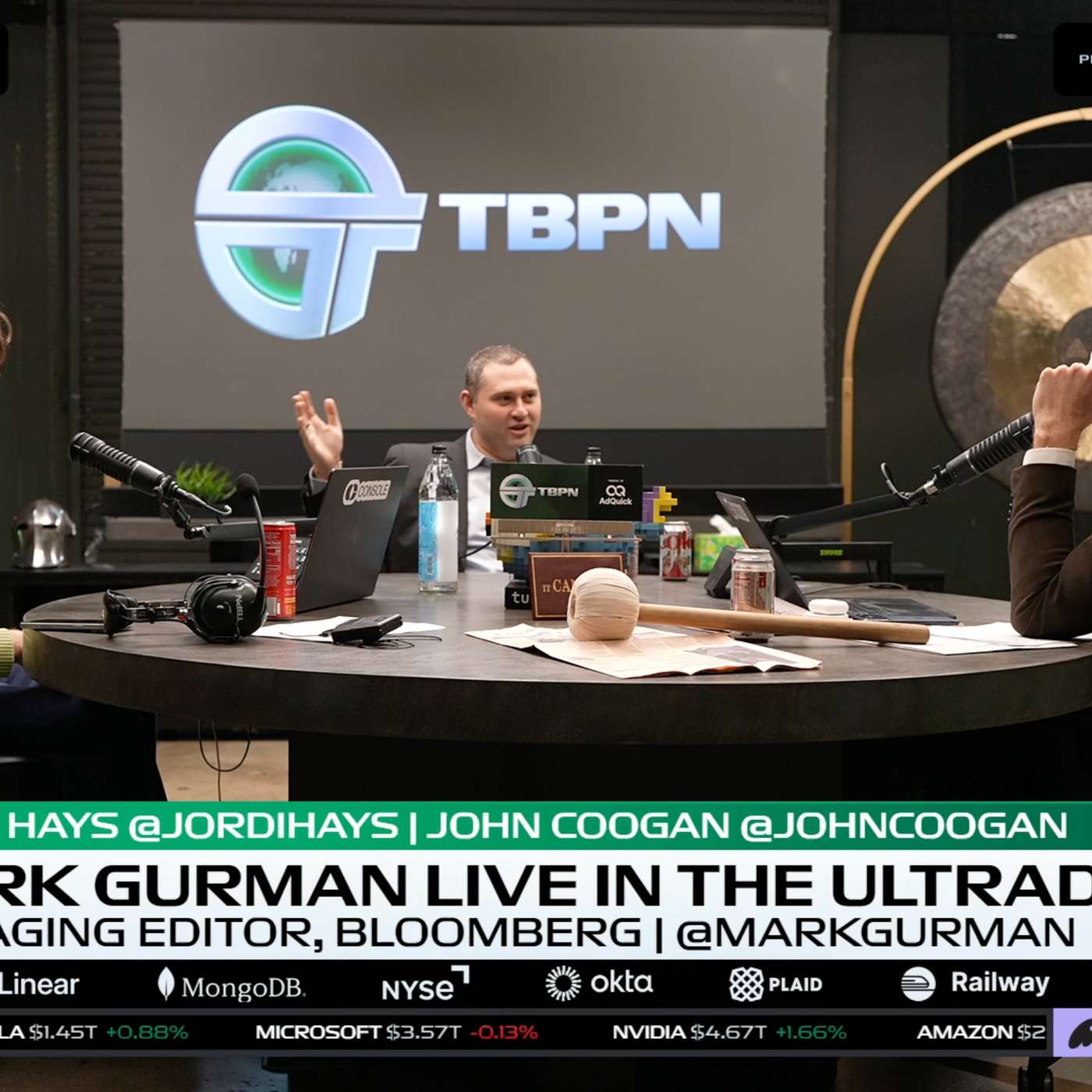
Hardware chief John Ternus has emerged as the clear successor to Tim Cook by quietly absorbing significant responsibilities, including the crucial Apple design teams. While Tim Cook is the public head, Ternus is now the de facto leader managing both hardware and software design, solidifying his position as the company's next leader.

The young Steve Jobs famously vilified IBM in the iconic "1984" ad. However, upon returning to a failing Apple, the older Jobs recognized his own operational weaknesses. He hired a wave of talent from IBM, including Tim Cook, to instill the discipline in logistics, procurement, and manufacturing that he had previously disdained.

Rumored next CEO John Ternus is known for maintaining existing products, not developing new ones. This suggests Apple may prioritize operational stability and market dominance over the disruptive, visionary leadership embodied by Steve Jobs, signaling a strategic shift for the company's next chapter.

The profile of potential Tim Cook successor John Ternus highlights his operational skills, supply chain knowledge, and low-profile style, mirroring Cook. This suggests Apple's board favors incremental execution over risky, Jobs-style product vision for its next phase of leadership.
The clearest sign that John Ternus is the heir apparent to Tim Cook is his recent takeover of Apple's iconic hardware and software design teams. Historically, this role has been held by key leaders like Steve Jobs and Tim Cook, signaling a clear path to the CEO position.