Get your free personalized podcast brief
We scan new podcasts and send you the top 5 insights daily.
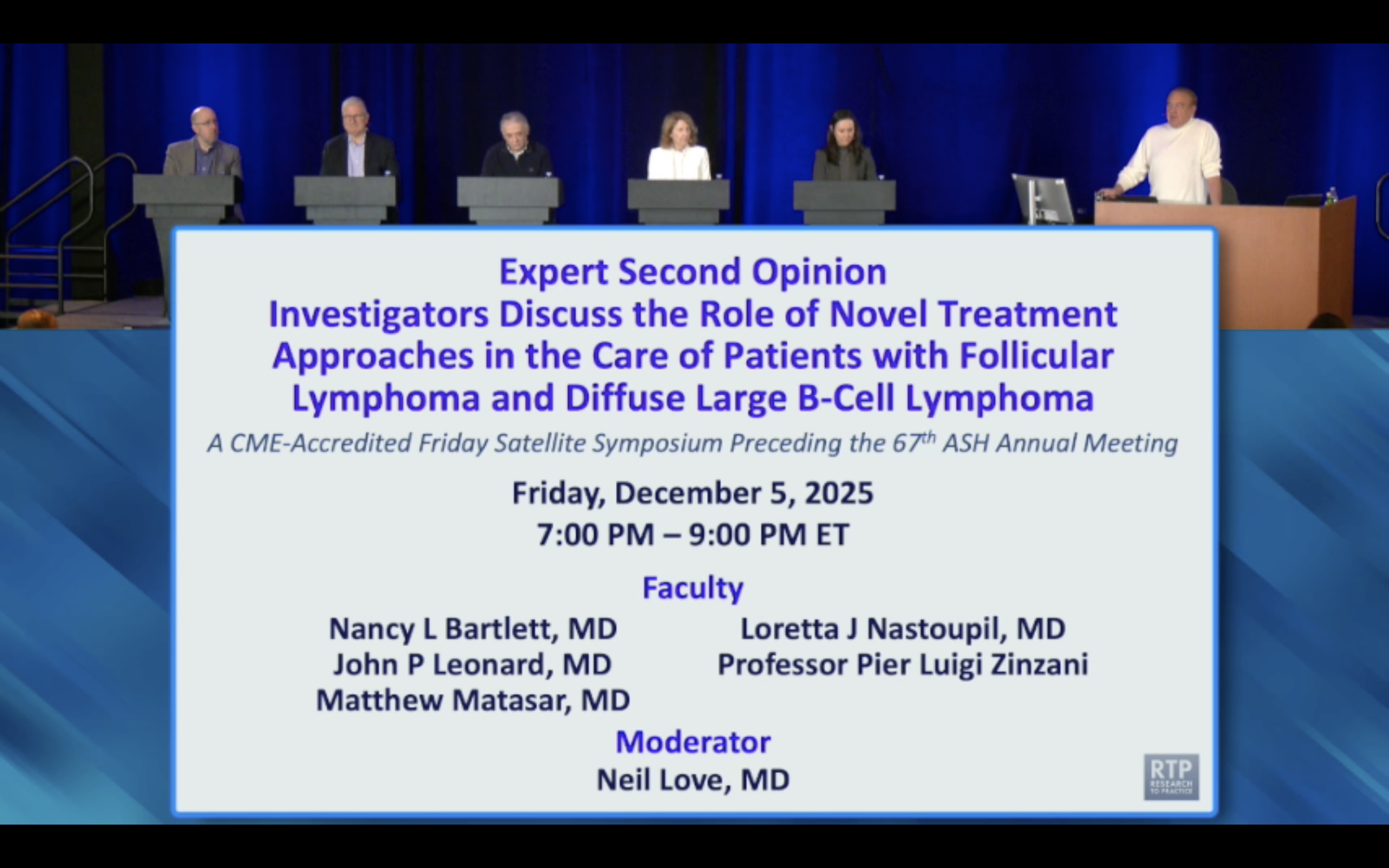
Early phase 1 data for the novel CD19xCD3 bispecific antibody surorituximab (cervatamig) combined with rituximab shows unprecedented efficacy in frontline follicular lymphoma, with complete response rates approaching 100%. These impressive results have prompted an aggressive global phase 3 development strategy.

Related Insights
The phase 3 EPCOR FL-1 trial showed that adding epcoritamab to the lenalidomide/rituximab (R-squared) backbone profoundly improved progression-free survival in relapsed follicular lymphoma. Presented as the most important FL abstract at ASH, this result is expected to establish a new standard of care in this setting.
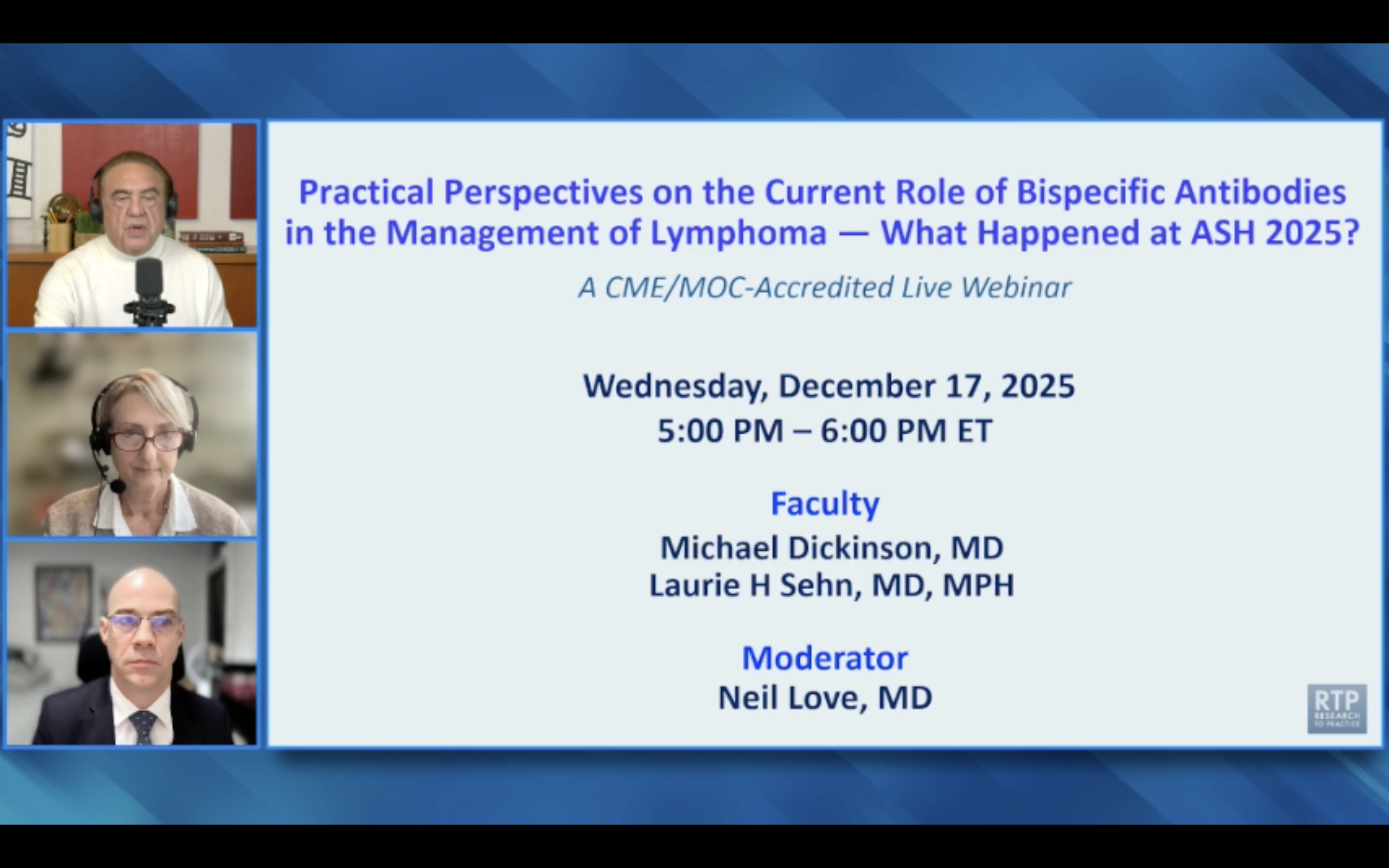
For third-line follicular lymphoma, where both CAR-T and bispecifics are approved, experts are leaning towards CAR-T. The long-term follow-up data for CAR-T suggests a potential for cure, making it a more compelling option for eligible patients despite logistical challenges.

In follicular lymphoma, the treatment goal is durable remission with manageable toxicity, not necessarily a cure. Therefore, clinicians frequently prefer using a bispecific antibody first, reserving the more complex and toxic CAR-T cell therapy for transformed disease or after a bispecific fails.
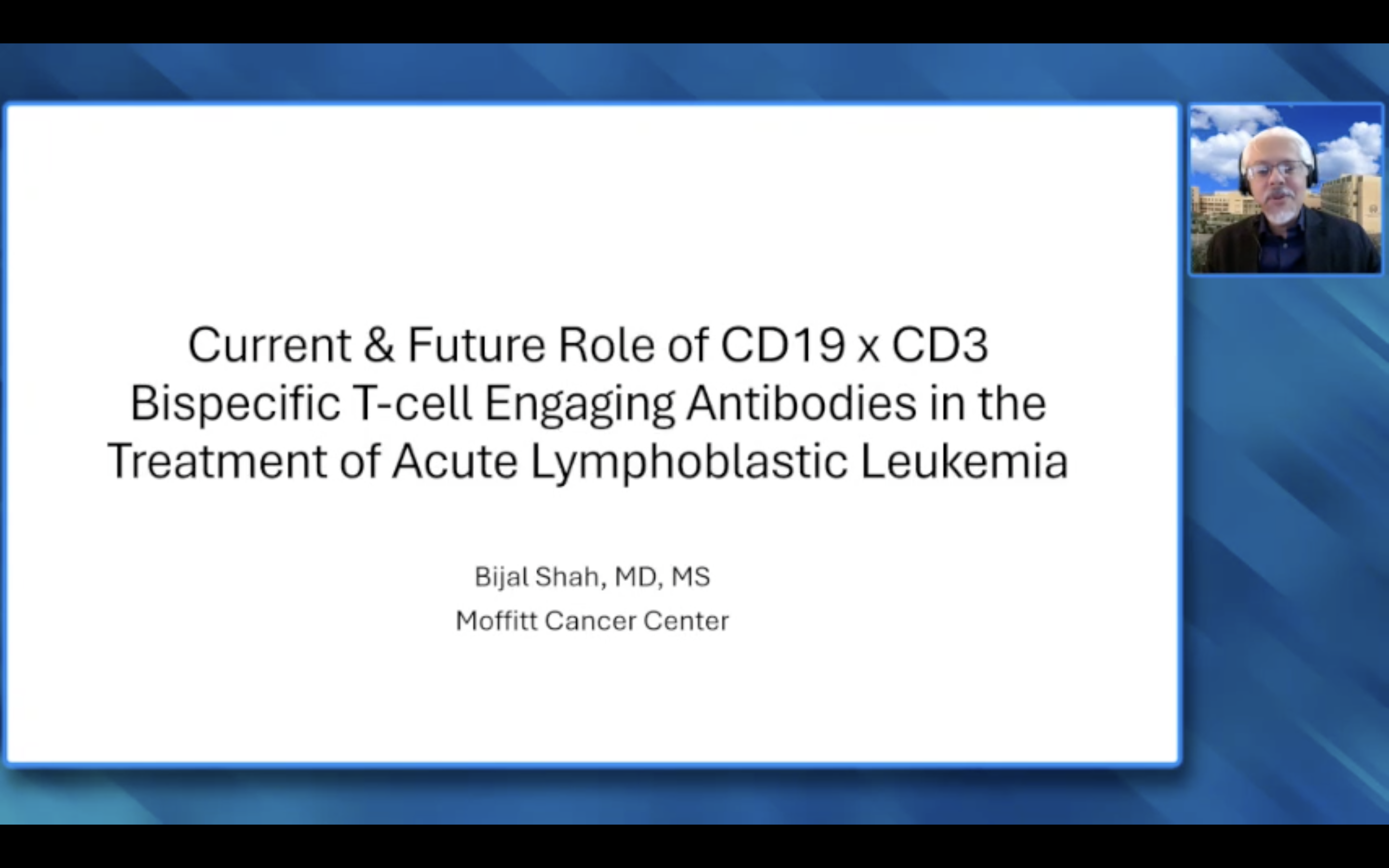
New BiTEs like Survatamig are achieving high response rates (73-78%) in heavily pre-treated ALL patients, including those who have already relapsed after receiving blinatumomab or CAR-T cell therapy. This indicates that resistance to one CD19-targeting agent does not preclude a deep response to another with a different molecular design.
In the IN-MIND trial for relapsed follicular lymphoma, the tafasitamab-lenalidomide-rituximab arm had zero cases of histologic transformation to a more aggressive lymphoma. This contrasts with nine cases in the control arm, suggesting the CD19-targeting antibody may eradicate precursor cells responsible for this dreaded complication.

Epcoritamab combined with lenalidomide and rituximab (EPCO R-squared) is now considered the preferred second-line regimen for most follicular lymphoma patients. It has demonstrated superior efficacy compared to the tafasitamab plus R-squared regimen, effectively 'knocking it off its perch' as the standard in this setting.
The regimen's profound success in relapsed/refractory patients is not an endpoint, but a launchpad. It provides the rationale for the ongoing Epcor FL2 trial, which directly challenges standard chemoimmunotherapy and could establish a chemotherapy-free, bispecific-based combination as the new first-line standard of care.
Early data on Surivatamig, a novel CD19-targeting bispecific antibody, reveals higher rates of neurotoxicity than seen with CD20-targeting bispecifics. This toxicity profile mirrors that of CD19 CAR T-cell therapies, suggesting that the biological target itself—CD19—may be intrinsically linked to neurological side effects, regardless of the therapeutic modality used to engage it.
Emerging data reveals significant synergy when combining antibody-drug conjugates (ADCs) like polatuzumab vedotin with bispecific antibodies like glofitumab. These combinations show impressive results in relapsed/refractory non-Hodgkin lymphoma, signaling a major future direction for developing more potent therapies.
Long-term follow-up from the pivotal epcoritamab trial reveals that 46% of DLBCL patients who achieve a complete remission maintain it at four years. This durability provides strong evidence that bispecific monotherapy, not just CAR-T, can be a curative treatment for a subset of patients.