Get your free personalized podcast brief
We scan new podcasts and send you the top 5 insights daily.
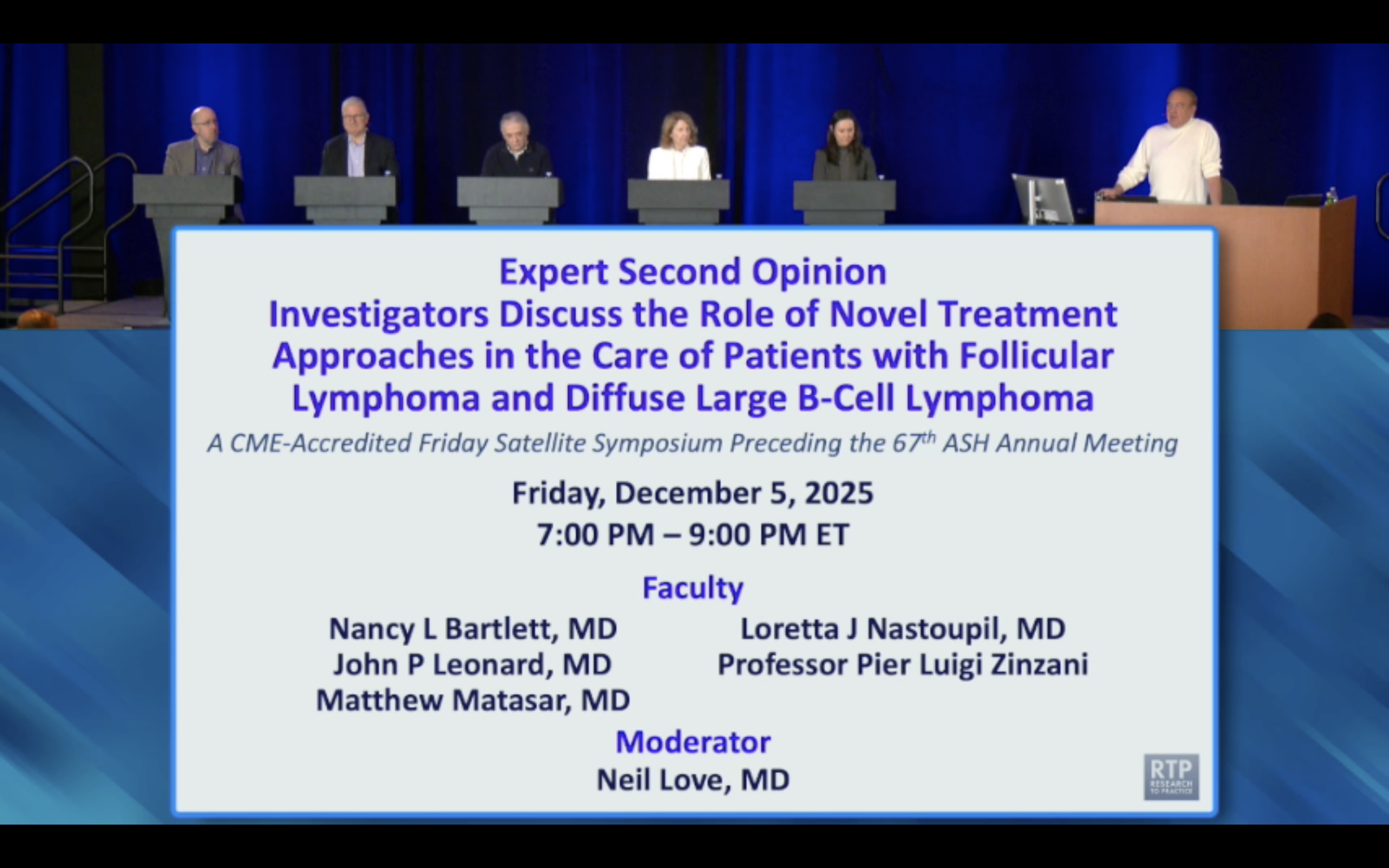
For third-line follicular lymphoma, where both CAR-T and bispecifics are approved, experts are leaning towards CAR-T. The long-term follow-up data for CAR-T suggests a potential for cure, making it a more compelling option for eligible patients despite logistical challenges.

Related Insights
Moving CAR T-cell therapy to earlier treatment lines is crucial. This approach targets cancer before it develops resistance and, more importantly, utilizes patient T-cells that are healthier and more effective, not having been damaged by extensive prior chemotherapy regimens.

In follicular lymphoma, the treatment goal is durable remission with manageable toxicity, not necessarily a cure. Therefore, clinicians frequently prefer using a bispecific antibody first, reserving the more complex and toxic CAR-T cell therapy for transformed disease or after a bispecific fails.
The efficacy of Siltacel stems from a powerful initial expansion that eliminates cancer upfront. The CAR-T cells are often undetectable beyond six months, indicating their curative potential comes from an overwhelming initial response rather than persistent, long-term immune policing of the disease.

As CAR-T cell therapies are increasingly adopted for second-line treatment of large cell lymphoma, epcoritamab is solidifying its role as a critical, potentially curative replacement option in the third-line setting. This establishes a clear sequential treatment pathway for patients who continue to relapse.
Using a BCMA bispecific antibody first can exhaust a patient's T-cells or cause tumors to lose the BCMA target, rendering a subsequent BCMA-targeted CAR-T therapy ineffective. The optimal sequence is CAR-T first, which preserves T-cell function and BCMA expression, leaving bispecifics as a viable later-line option.
Experts report successfully treating lymphoma patients as old as 92 with CAR-T, even those with mild cognitive impairment. This demonstrates that chronological age alone is not an absolute contraindication; functional status is a more critical determinant of eligibility for intensive therapies.
Contrary to typical findings where real-world data underperforms, liso-cel CAR T-cell therapy in CLL demonstrates significantly better outcomes in practice than in its approval trial (over 80% response rate vs. under 50%). This suggests that using the therapy earlier in healthier, less-refractory patients unlocks its true potential.
The next major shift for CAR T-cell therapy is its integration into frontline treatment. Instead of being reserved for relapse, it's being tested as a consolidation therapy that could replace the standard two to three years of maintenance chemotherapy, dramatically shortening treatment duration.
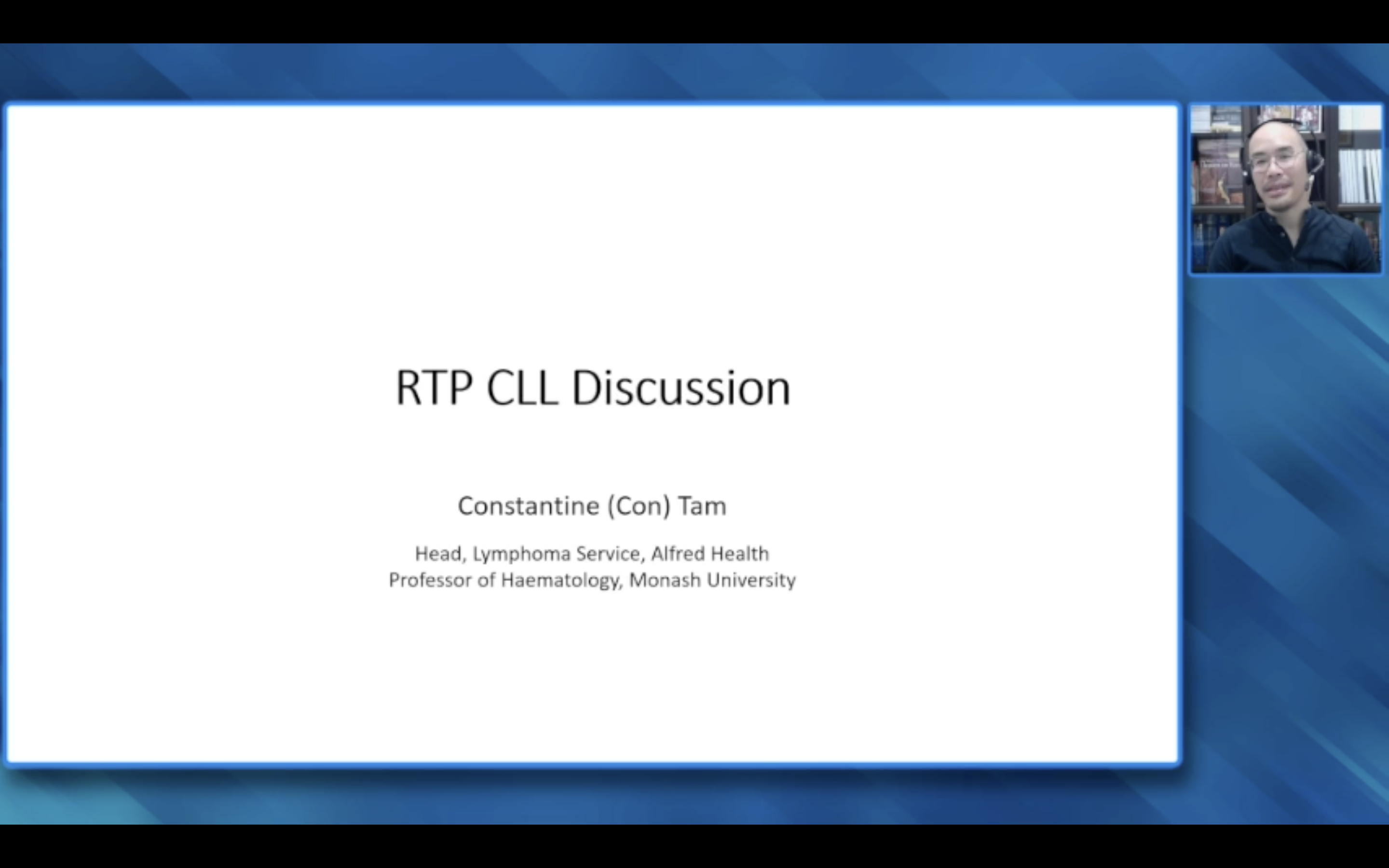
Current CAR-T therapy for CLL requires a complete response (CR) for long-term benefit. A partial response provides only about two years of disease control, an outcome similar to the oral drug pirtobrutinib but with significantly more toxicity, complexity, and logistical burden for the patient.

Experts vehemently state that patients ineligible for autologous stem cell transplant are not necessarily ineligible for CAR-T therapy. This corrects a critical misconception, urging community oncologists to refer these patients for CAR-T evaluation as they may still be candidates.