Get your free personalized podcast brief
We scan new podcasts and send you the top 5 insights daily.
When San Francisco's streets were magically cleaned in 48 hours for President Xi's visit, it demonstrated that persistent urban problems like homelessness and open-air drug markets are not intractable. Rather, they are the result of a lack of political will, which can be overcome when necessary.

Related Insights
Mayor Daniel Lurie explicitly states his administration has ended the city's long-standing "live and let live" approach to public disorder. This marks a significant policy and cultural shift, prioritizing public safety and quality of life through stricter enforcement over passive tolerance, reflecting a broader trend in liberal cities.

While national politics can be divisive and disheartening, city-level initiatives offer hope. In a local context, people are neighbors who must collaborate, respect each other's humanity, and work towards a common goal of improving their community. This forced cooperation creates a positive, inspiring model for progress.

San Francisco's non-profits are often paid based on the number of homeless individuals they serve. This creates a perverse financial incentive to maintain and manage the homeless population like a "flock" rather than pursuing solutions that would permanently reduce their numbers and, consequently, the NGO's funding.
Mayor Daniel Lurie argues the city's primary street-level issue isn't just homelessness but a fentanyl crisis. This diagnostic shift justifies a different response: prioritizing treatment beds and short-term care over simply providing permanent housing without support services for addiction.
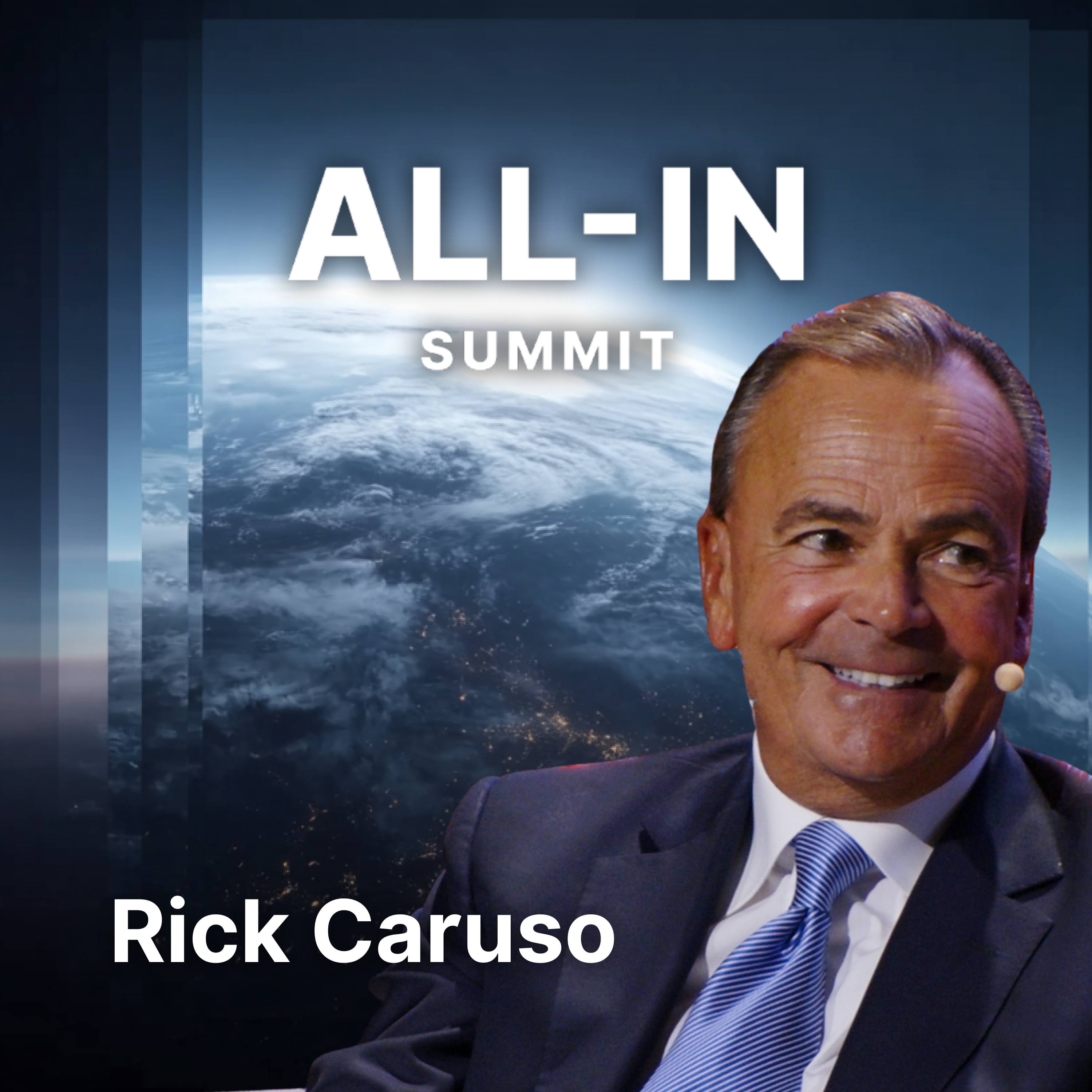
When asked why "blue" cities are decaying, Rick Caruso offers a different take: it's not just about party. He argues that general voter apathy allows highly motivated "extremes" to elect ideologues. These officials prioritize ideology over practical results, leading to incompetence and stagnation regardless of their intentions.
Smart city tech often fails to gain traction because it targets diffuse benefits like 'less traffic.' Successful government sales require aligning with the only two metrics that consistently get mayors re-elected: reducing crime and paving roads.

The state's most visible problems—homelessness, high costs, and corporate exodus—are framed not as complex policy failures but as the direct result of a singular, decades-long failure to build enough housing, office space, factories, energy, and transportation infrastructure.

Unlike the polished or aggressive personas common in politics, SF Mayor Daniel Laurie's social media presence succeeds because of its sincerity. His earnest, deadpan delivery, often in a suit while showcasing new city initiatives like a drone command center, is seen as an authentic and effective communication style.

San Francisco's mayor is shifting the city's relationship with tech companies from passive tax collection to active partnership. He demands they engage with and support public schools, arts, and transit, framing it as a prerequisite for being "open for business," not an optional act of charity.

To combat siloed and ineffective street outreach, San Francisco consolidated seven different departments into unified teams. These teams meet daily with a shared mission and target list, representing a shift from bureaucratic division to a coordinated, operational approach for public safety and health.