Get your free personalized podcast brief
We scan new podcasts and send you the top 5 insights daily.
Contrary to fears of laziness, a UBI study funded by Sam Altman found that a $1,000/month stipend empowered recipients to make strategic career moves. The financial safety net allowed them to leave short-term, high-paying jobs for roles with better long-term potential, even if it meant a temporary pay cut.

Related Insights
The criticism that Universal Basic Income causes people to work less misses the point. This outcome should be seen as a success, demonstrating that people can find meaning outside of forced labor when given financial stability, challenging the privileged narrative that jobs are essential for purpose.

Contrary to Econ 101's labor-leisure tradeoff, unconditional cash transfers consistently lead to an increase in work in low-income countries. Recipients are capital-constrained, and the cash enables them to start small businesses, leading to a zero or positive effect on labor supply.

AI will inevitably cause mass, short-term job displacement. To prevent a depression from collapsed consumer spending, Universal Basic Income (UBI) is essential. It acts as a bridge, sustaining demand and allowing society to benefit from AI's productivity gains while new industries emerge.
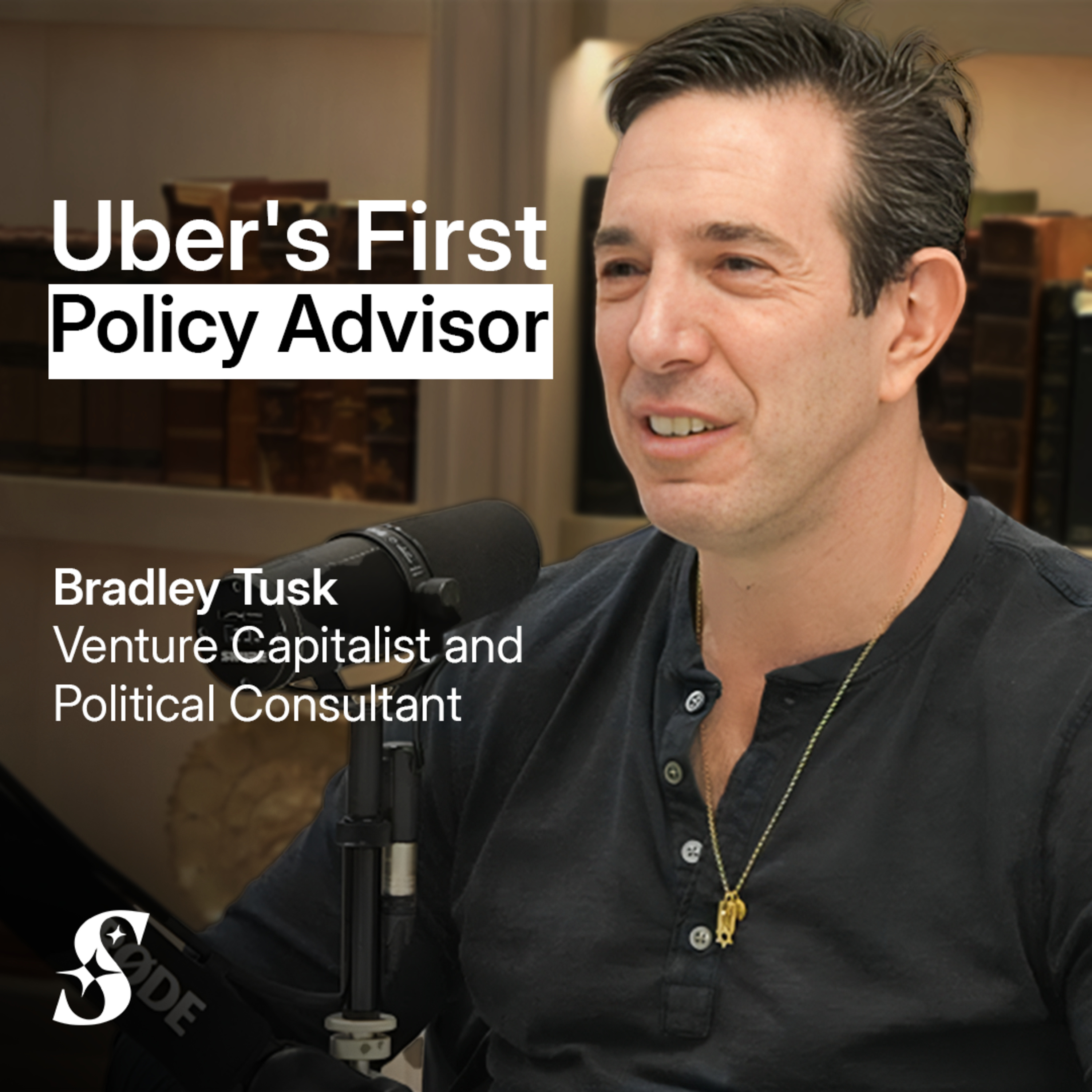
Small-scale UBI trials are inherently flawed because participants know the income is temporary. Retirement, however, is a massive, long-running natural experiment in UBI for those over 65. Its immense popularity proves that a guaranteed, permanent income is a viable and desirable social policy.
The idea that AI will necessitate UBI overlooks that modern knowledge work is already a system where people are paid well for tasks far removed from basic survival needs. Humans are inventive and will create new "necessary" jobs and hierarchies even as AI automates existing ones.

Financial support (UBI) is insufficient for a thriving populace. The real safety net in an AI-driven world is a 'Universal Basic AI'—a personal, sovereign AI agent that acts in the user's best interest. This provides capability and access to resources, ensuring individuals are empowered, not just subsidized.

As compute power becomes the foundational resource of the economy, a new social safety net model proposes giving every citizen a direct stake in a nation's compute capacity. This would provide individuals with economic resources and democratic control over how AI is utilized.

Yang clarifies his UBI stance, stating it was a campaign oversimplification. He views UBI as a foundational floor upon which new economies—centered on arts, wellness, and caregiving—must be built to provide structure, purpose, and fulfillment in a post-work world.

Sam Harris challenges the fear that Universal Basic Income (UBI) would create mass purposelessness by pointing to historical aristocracies. He argues this large population, who didn't have to work, still managed to find meaning and live recognizably happy lives, serving as a real-world test case for a leisured society.
Giving people a basic stipend won't end economic competition. Instead, it will fuel a secondary economy where people compete for each other's stipends through new forms of gambling, entertainment, entrepreneurship, and status games.
