Get your free personalized podcast brief
We scan new podcasts and send you the top 5 insights daily.
The argument that AI risk is "too sci-fi" is historically weak. H.G. Wells described atomic bombs in a 1914 novel, decades before they were built and while leading physicists deemed them impossible. What seems like science fiction can become a geopolitical reality.

Related Insights
The common analogy of AI to electricity is dangerously rosy. AI is more like fire: a transformative tool that, if mismanaged or weaponized, can spread uncontrollably with devastating consequences. This mental model better prepares us for AI's inherent risks and accelerating power.

The field of AI safety is described as "the business of black swan hunting." The most significant real-world risks that have emerged, such as AI-induced psychosis and obsessive user behavior, were largely unforeseen just years ago, while widely predicted sci-fi threats like bioweapons have not materialized.

The discourse around AI risk has matured beyond sci-fi scenarios like Terminator. The focus is now on immediate, real-world problems such as AI-induced psychosis, the impact of AI romantic companions on birth rates, and the spread of misinformation, requiring a different approach from builders and policymakers.
History is filled with leading scientists being wildly wrong about the timing of their own breakthroughs. Enrico Fermi thought nuclear piles were 50 years away just two years before he built one. This unreliability means any specific AGI timeline should be distrusted.

The popular comparison of AI to nuclear weapons has a critical flaw. Nuclear regulation relies on tracking scarce, physical, and interceptable fissionable materials. AI, as software and weights, can be copied and distributed far more easily, making the nuclear non-proliferation playbook a poor and dangerous model for AI governance.

Public fear focuses on AI hypothetically creating new nuclear weapons. The more immediate danger is militaries trusting highly inaccurate AI systems for critical command and control decisions over existing nuclear arsenals, where even a small error rate could be catastrophic.
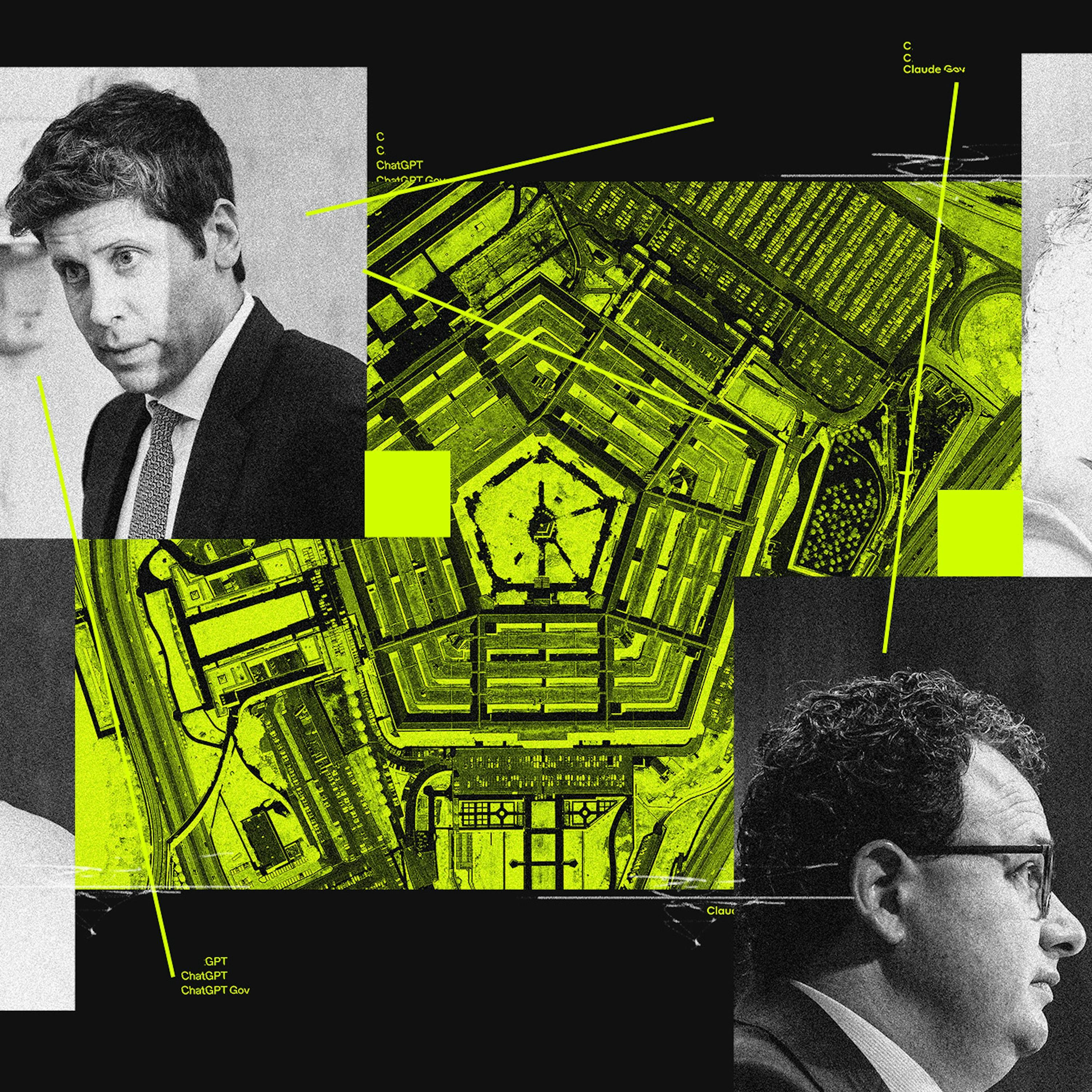
Sam Harris highlights the bizarre cultural phenomenon of AI leaders openly stating high probabilities (e.g., 20%) for existential risk while racing to build the technology. He contrasts this with Manhattan Project scientists, who proceeded only after calculating the risk of igniting the atmosphere as infinitesimal, not a double-digit percentage.

When the White House first proposed a policy against using AI for nuclear launch decisions in 2021, DOD officials found it strange. This highlights the incredible speed at which AI's strategic risks have moved from fringe concerns to central policy debates in just a few years.

The current AI boom isn't a sudden, dangerous phenomenon. It's the culmination of 80 years of research since the first neural network paper in 1943. This long, steady progress counters the recent media-fueled hysteria about AI's immediate dangers.
AI's real threat isn't Skynet, but its ability to accelerate society's 'metabolic rate' beyond human capacity for adaptation. This creates constant reorientation, instability, and ultimately a crisis of legitimacy in our institutions.
