Get your free personalized podcast brief
We scan new podcasts and send you the top 5 insights daily.
The popular comparison of AI to nuclear weapons has a critical flaw. Nuclear regulation relies on tracking scarce, physical, and interceptable fissionable materials. AI, as software and weights, can be copied and distributed far more easily, making the nuclear non-proliferation playbook a poor and dangerous model for AI governance.

Related Insights
The common analogy of AI to electricity is dangerously rosy. AI is more like fire: a transformative tool that, if mismanaged or weaponized, can spread uncontrollably with devastating consequences. This mental model better prepares us for AI's inherent risks and accelerating power.

The belief that AI development is unstoppable ignores history. Global treaties successfully limited nuclear proliferation, phased out ozone-depleting CFCs, and banned blinding lasers. These precedents prove that coordinated international action can steer powerful technologies away from the worst outcomes.

The common analogy between regulating AI and nuclear weapons is flawed. Nuclear development requires physically trackable, interceptable materials and facilities like enrichment plants. In contrast, AI models are software and weights, which are diffuse and far more difficult to monitor and control, presenting a fundamentally different and harder regulatory challenge.

The US nuclear weapons industry operates as a hybrid: the government owns the IP and facilities, but private contractors like Honeywell and Boeing operate them and build delivery systems. This established public-private partnership model could be applied to manage the risks of powerful, privately-developed AI.
Ben Horowitz revealed that Biden administration officials defended the idea of regulating AI—which he framed as "regulating math"—by citing the precedent of classifying nuclear physics in the 1940s. This suggests a governmental willingness to treat core algorithms as controlled, classifiable technology, potentially stifling open innovation.
Public fear focuses on AI hypothetically creating new nuclear weapons. The more immediate danger is militaries trusting highly inaccurate AI systems for critical command and control decisions over existing nuclear arsenals, where even a small error rate could be catastrophic.
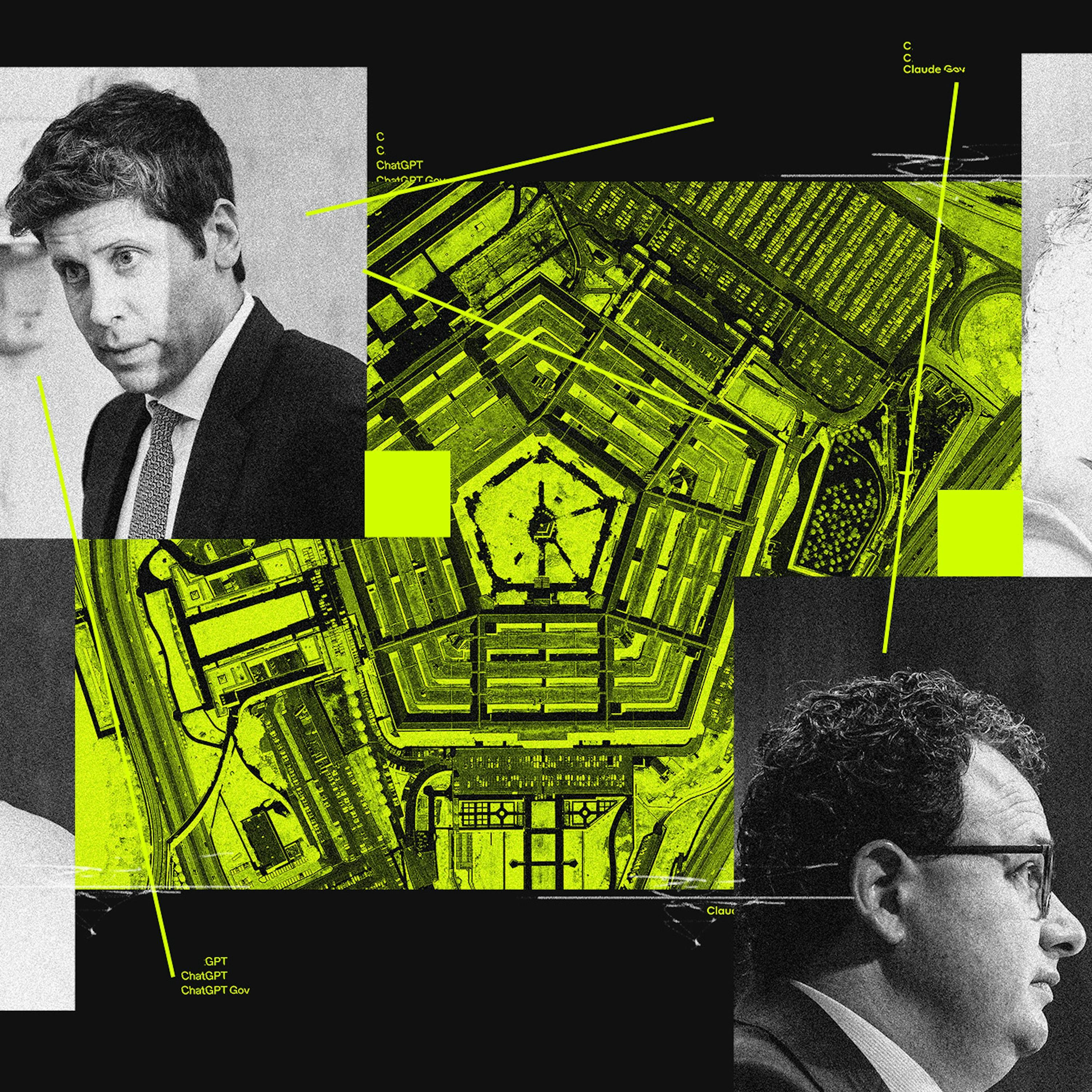
Analyst Dean Ball warns against nationalizing advanced AI. He draws a parallel to nuclear technology, where government control secured the weapon but severely hampered the development of commercial nuclear energy. To realize AI's full economic and consumer benefits, a competitive private sector ecosystem is essential.
With only four countries able to create foundational models, the technology is a key strategic asset. However, its importance is more analogous to a nation's ability to build its own power plants or roads—critical for economic security and self-sufficiency—rather than a transformative military weapon like the nuclear bomb.

The history of nuclear power, where regulation transformed an exponential growth curve into a flat S-curve, serves as a powerful warning for AI. This suggests that AI's biggest long-term hurdle may not be technical limits but regulatory intervention that stifles its potential for a "fast takeoff," effectively regulating it out of rapid adoption.

International AI treaties are feasible. Just as nuclear arms control monitors uranium and plutonium, AI governance can monitor the choke point for advanced AI: high-end compute chips from companies like NVIDIA. Tracking the global distribution of these chips could verify compliance with development limits.
