Get your free personalized podcast brief
We scan new podcasts and send you the top 5 insights daily.
Iran's success in disrupting global shipping validates the PRC's belief that the U.S. and its allies lack the resilience to withstand economic pressure on key maritime chokepoints. This bolsters China's confidence regarding a potential future Taiwan Strait crisis.

Related Insights
The failure to militarily secure the Strait of Hormuz is a major strategic concession. It demonstrates a critical vulnerability and effectively hands Iran control over a global economic chokepoint, allowing them to wield immense leverage over international trade.
By attacking just a few ships, Iran creates enough perceived risk to make insurance carriers unwilling to cover vessels transiting the Strait of Hormuz. This effectively disrupts 20% of the world's oil supply without needing a large-scale military blockade, a key tactic in asymmetric economic warfare.

The recent conflicts in Iran and Venezuela can be framed as a covert economic war against China. Since China buys 90% of Iran's oil and relies on Venezuela's supply, US actions disrupting these nations directly target China's energy security and serve as a tool of economic containment.

Despite the Strait of Hormuz closure being a long-theorized scenario, the US military response was 'insufficient' and lacked preparedness. Iran achieved a near-total shutdown with minimal force, relying on the *threat* of attack, revealing a significant gap in US strategic readiness.

The US has long used the threat of military force to keep the Strait of Hormuz open. By failing to act despite a large naval presence, it has revealed this deterrent is hollow. This hands Iran a proven economic weapon and erodes the credibility of US power projection globally.
Iran doesn't need a naval blockade to close the Strait of Hormuz. The mere threat of drone and missile attacks is enough to deter shippers and insurers, creating a "de facto closure." This asymmetrical strategy highlights how psychological warfare can be as effective as direct military action in disrupting global trade.
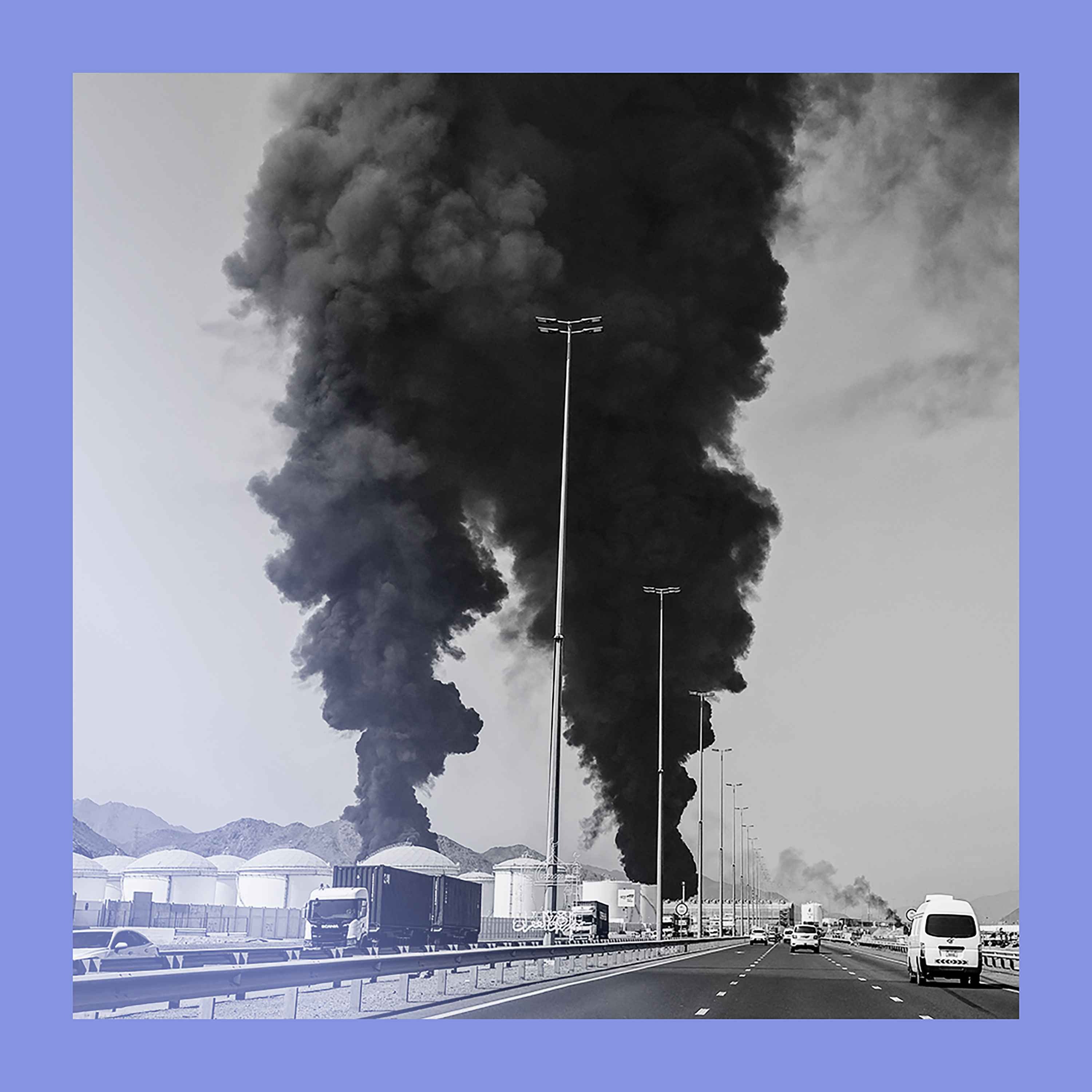
Iran employs inexpensive weapons against shipping in the Strait of Hormuz. This asymmetric strategy avoids direct military confrontation while making the risk too high for insured commercial vessels, effectively closing the strait without a formal blockade.

While the U.S. is preoccupied with Iran and the Strait of Hormuz, China has significantly increased its military presence around Taiwan. This may not be just a show of force, but a strategic dress rehearsal for an invasion, testing capabilities while global attention is focused elsewhere.

While facing economic headwinds from the oil crisis, China is positioning the US-Iran conflict as a geopolitical victory. It portrays the US as a chaotic, destabilizing force, contrasting itself as a stable superpower and capitalizing on the global fallout from what it terms 'poor strategic coordination' by Washington.

A naval and air blockade, or "cordon sanitaire," presents a more dangerous and likely scenario than a direct cross-strait assault. This strategy would force an enormously difficult political and military decision upon the U.S. about whether to break the blockade and come to Taiwan's aid.
