Get your free personalized podcast brief
We scan new podcasts and send you the top 5 insights daily.
A "magical" use case for agents is giving them access to your local network to operate physical hardware. Being able to voice-command an agent to print a document eliminates friction and integrates AI into the physical home environment, moving beyond screen-based tasks.

Related Insights
The viral popularity of a simple, Raspberry Pi-based AI companion demonstrates user desire to interact with agents without using a phone. This points to a market for dedicated hardware that offers a more immediate, voice-first, and character-driven experience than a chat app.

The true evolution of voice AI is not just adding voice commands to screen-based interfaces. It's about building agents so trustworthy they eliminate the need for screens for many tasks. This shift from hybrid voice/screen interaction to a screenless future is the next major leap in user modality.

AI agents move beyond simple command-response when embedded in ambient hardware like smart speakers. By passively hearing daily conversations and environmental cues, they gain the context needed for proactive, truly helpful interventions.

By running locally on a user's machine, AI agents can interact with services like Gmail or WhatsApp without needing official, often restrictive, API access. This approach works around the corporate "red tape" that stifles innovation and effectively liberates user data from platform control.
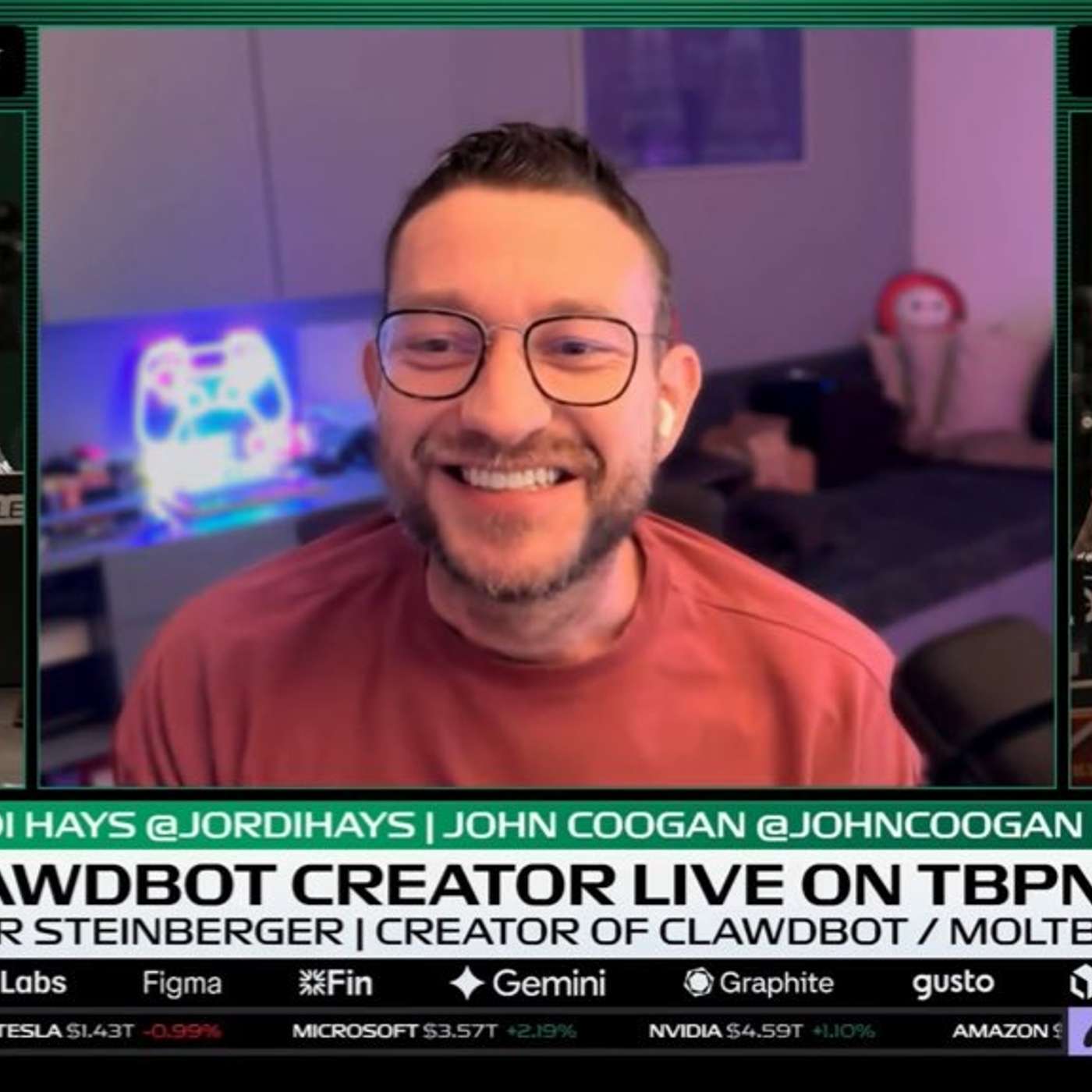
While cloud hosting for AI agents seems cheap and easy, a local machine like a Mac Mini offers key advantages. It provides direct control over the agent's environment, easy access to local tools, and the ability to observe its actions in real-time, which dramatically accelerates your learning and ability to use it effectively.

As demonstrated by the DJI hack, AI agents won't wait for official APIs. They will reverse-engineer private protocols to interact with any device or service, effectively turning the entire digital and physical world into a massive, unofficial API.

The technical friction of setting up AI agents creates a market for dedicated hardware solutions that abstract away complexity, much like Sonos did for home audio, making powerful AI accessible to non-technical users.
The evolution from simple voice assistants to 'omni intelligence' marks a critical shift where AI not only understands commands but can also take direct action through connected software and hardware. This capability, seen in new smart home and automotive applications, will embed intelligent automation into our physical environments.

The next user interface paradigm is delegation, not direct manipulation. Humans will communicate with AI agents via voice, instructing them to perform complex tasks on computers. This will shift daily work from hours of clicking and typing to zero, fundamentally changing our relationship with technology.

Current smart homes are just internet-connected devices requiring human input. AI agents like Clawdbot can act as the central intelligence, using new interfaces (like AI rings) and presence sensors to create a context-aware, proactive environment that anticipates and serves your needs.