Get your free personalized podcast brief
We scan new podcasts and send you the top 5 insights daily.
As Zalando scaled to 15,000 employees, co-CEO Robert Gentz's leadership evolved from hands-on execution to an "enabling" style. He now focuses only on areas where his founder's perspective is irreplaceable: setting culture, making ambiguous long-term bets, and providing conviction that only he can.

Related Insights
Amplitude's CEO describes the painful transition from founder (running to the hardest problem) to large-company executive. The latter role requires embracing hierarchy, saying "no" to most things, and managing through leverage rather than direct contribution—a skill set many founders resist and fail to learn.
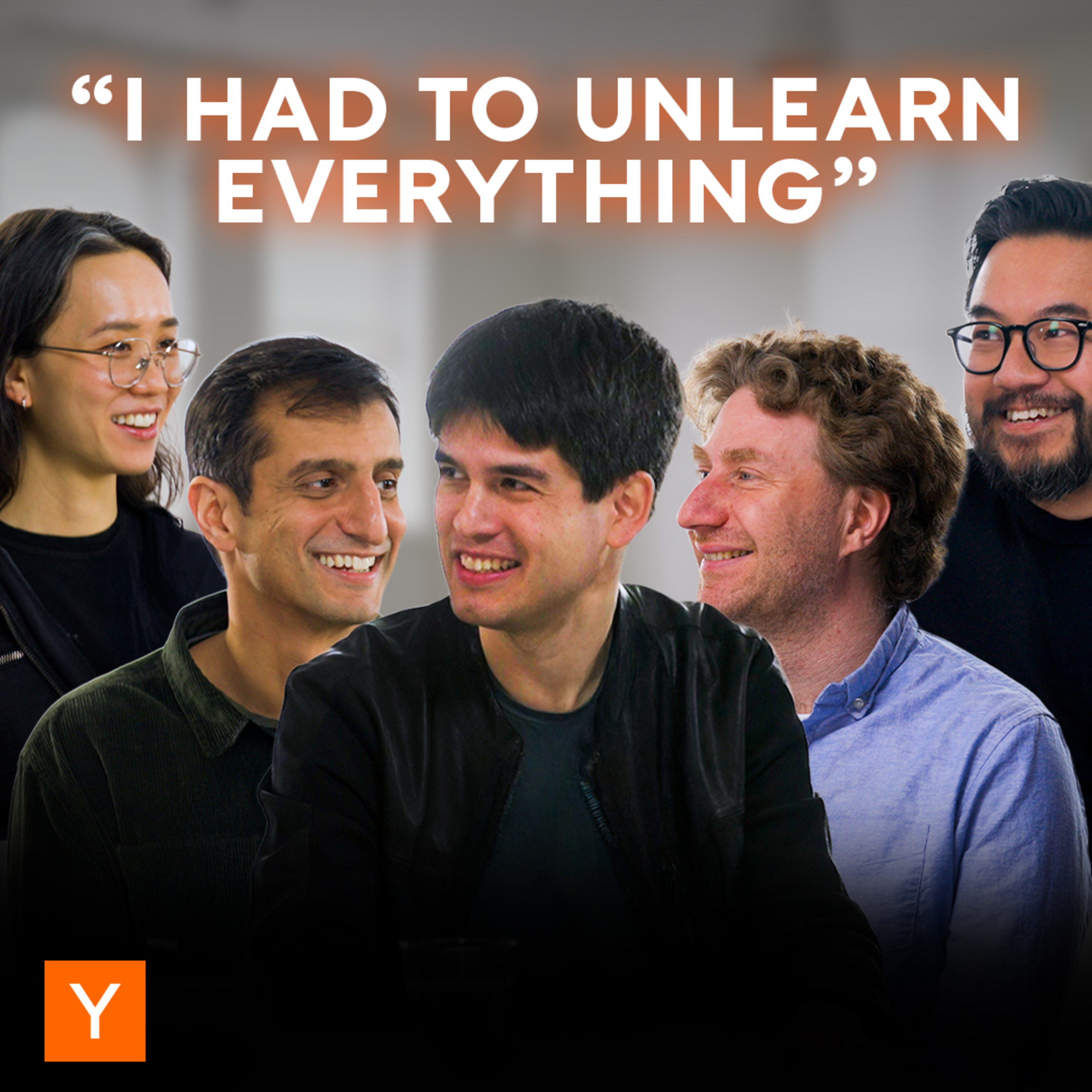
Dario Amodei states that at Anthropic's scale (2,500 people), his most leveraged role is not direct technical oversight but maintaining culture. He achieves this through intense, direct communication, including a bi-weekly, hour-long, unfiltered address to the entire company to ensure everyone remains aligned on the mission and strategy.

To transition from working 'in the business' to 'on the business,' Snowflake's CRO was told his hands-on, 'deal hound' approach wouldn't work at scale. The solution was to hire other capable 'drivers,' trust them to do their jobs, and hold them accountable. If a leader has to do their team's job, it's a problem with the team member.

CEO Oliver Karaz defines his role by three decision types: 1) hiring senior leaders he can trust to run their domains, 2) absorbing blame for calculated risks to encourage team innovation, and 3) integrating diverse inputs to set the company’s long-term 'where the puck is going' strategy.

Flexport's founder details his journey from a hands-off "manager mode" to a directive "founder mode." The rise of bottom-up AI innovation in hackathons is causing him to cycle back, recognizing the need to balance top-down strategy with empowering creative, decentralized ideas that leadership couldn't have conceived.

To nurture risk-taking, Zalando champions a "dare to fail" principle. Co-CEO Robert Gens warns the alternative is a culture analogous to "poker without blinds"—a game where nobody bets without a perfect hand. This risk-averse environment stifles the calculated risks needed for innovation and growth.
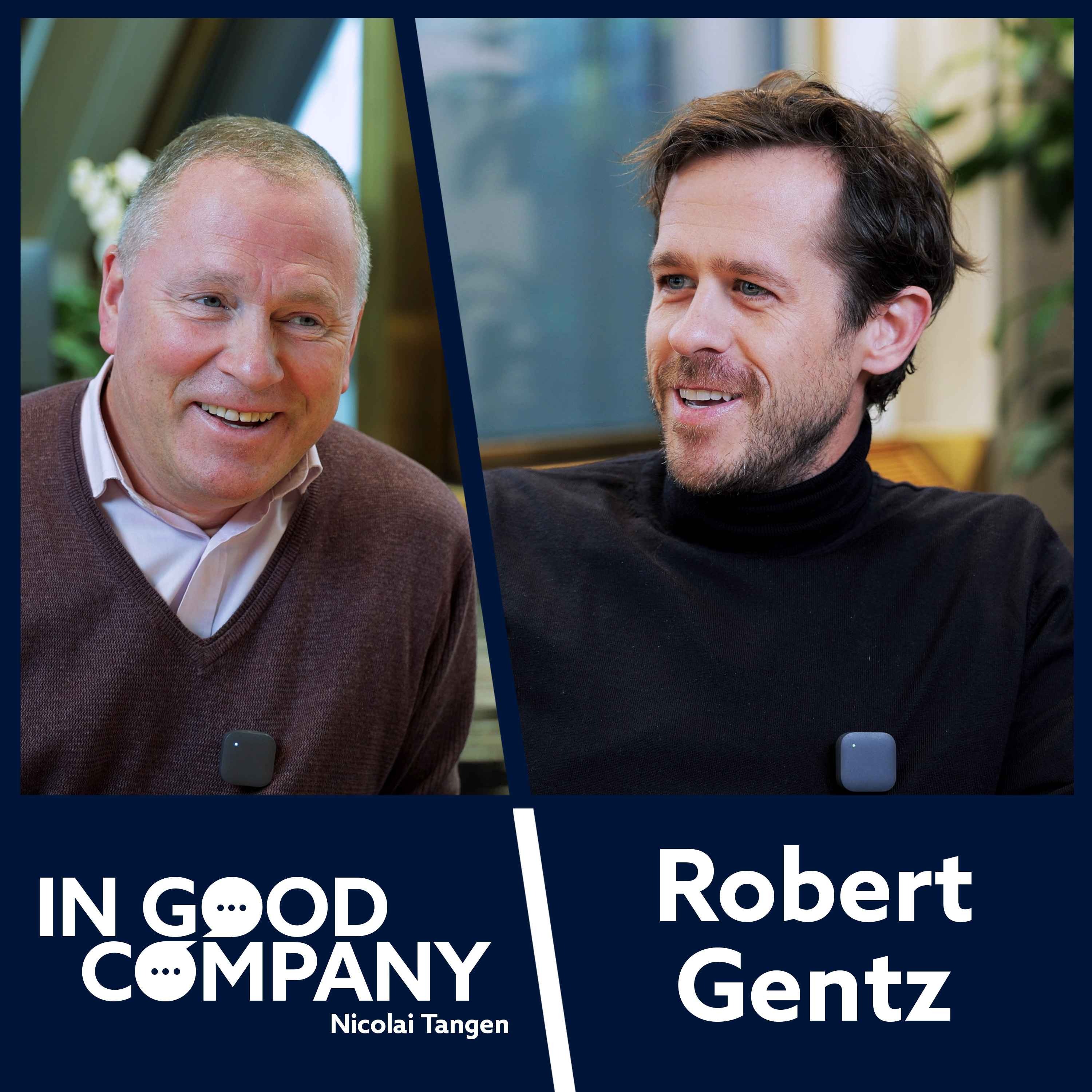
Zalando's co-founder, Robert Gentz, believes curiosity and humility are the most critical leadership traits. Curiosity enables learning from everyone to make better decisions. Humility ensures a founder respects upcoming challenges and acknowledges that past success does not guarantee future victories, which is vital for long-term navigation.
To scale his company Exit Five, the founder (the "Visionary") promoted his COO to CEO (the "Integrator"). This structure, from the book *Traction*, allows the creator to focus on ideas and content while the operator runs the business, manages the team, and implements processes.

As companies grow from 30 to 200 people, they naturally become slower. A CEO's critical role is to rebuild the company's operating model, deliberately balancing bottom-up culture with top-down strategic planning to regain speed and ensure everyone is aligned.

Founders remain long after hired executives depart, inheriting the outcomes of past choices. This long-term ownership is a powerful justification for founders to stay deeply involved in key decisions, trusting their unique context over an expert's resume.
