Get your free personalized podcast brief
We scan new podcasts and send you the top 5 insights daily.
To build a cost-competitive US motor company, Atlas Motion is first establishing operations in the Philippines. It's leveraging dense local process knowledge from ex-Dyson engineers to build and automate its systems before bringing the optimized, de-risked manufacturing model back to America.

Related Insights
The reshoring trend isn't about replicating traditional manufacturing. Instead, the U.S. gains a competitive advantage by leveraging automation and robotics, effectively trading labor costs for electricity costs. This strategy directly challenges global regions that rely on exporting cheap human labor.

In modern automated factories, labor is less than 10% of costs. The key competitive advantage of regions like China is the strategic co-location of supply chains, which dramatically reduces logistics time and expense. Re-industrializing the US requires building these dense industrial clusters.

To compete with China in manufacturing, the US can't rely on labor volume but on productivity from AI and robotics. This requires eliminating the friction of distance between R&D talent (in the Bay Area) and factory floors, making talent-proximate manufacturing parks a strategic necessity.

For manufacturing startups, factory location is a critical strategic decision. They should prioritize states where local governments actively partner with them to expedite permits, guarantee power, and assist with hiring, avoiding regulatory bottlenecks found elsewhere.

Companies cannot compete on labor costs in the US. According to the Reshoring Institute, if labor constitutes more than 50% of a product's build cost, it is not a candidate for US reshoring. Success hinges on automating production to extract labor, making high-capital sectors like pharma more suitable.

For her previous company, Mirror, founder Brynn Putnam found producing in Mexico was more cost-competitive than in Asia. The high cost of shipping the bulky smart mirror from overseas negated production cost savings, making nearshoring the smarter financial choice.

American Housing Corp's first factory was built for flexibility to iterate on the product, not for automated efficiency. They believe automation is the final step, implemented only after a process is validated and de-risked manually. Trying to automate an unproven process is a common and costly mistake.

Boom Supersonic accelerates development by manufacturing its own parts. This shrinks the iteration cycle for a component like a turbine blade from 6-9 months (via an external supplier) to just 24 hours. This rapid feedback loop liberates engineers from "analysis paralysis" and allows them to move faster.

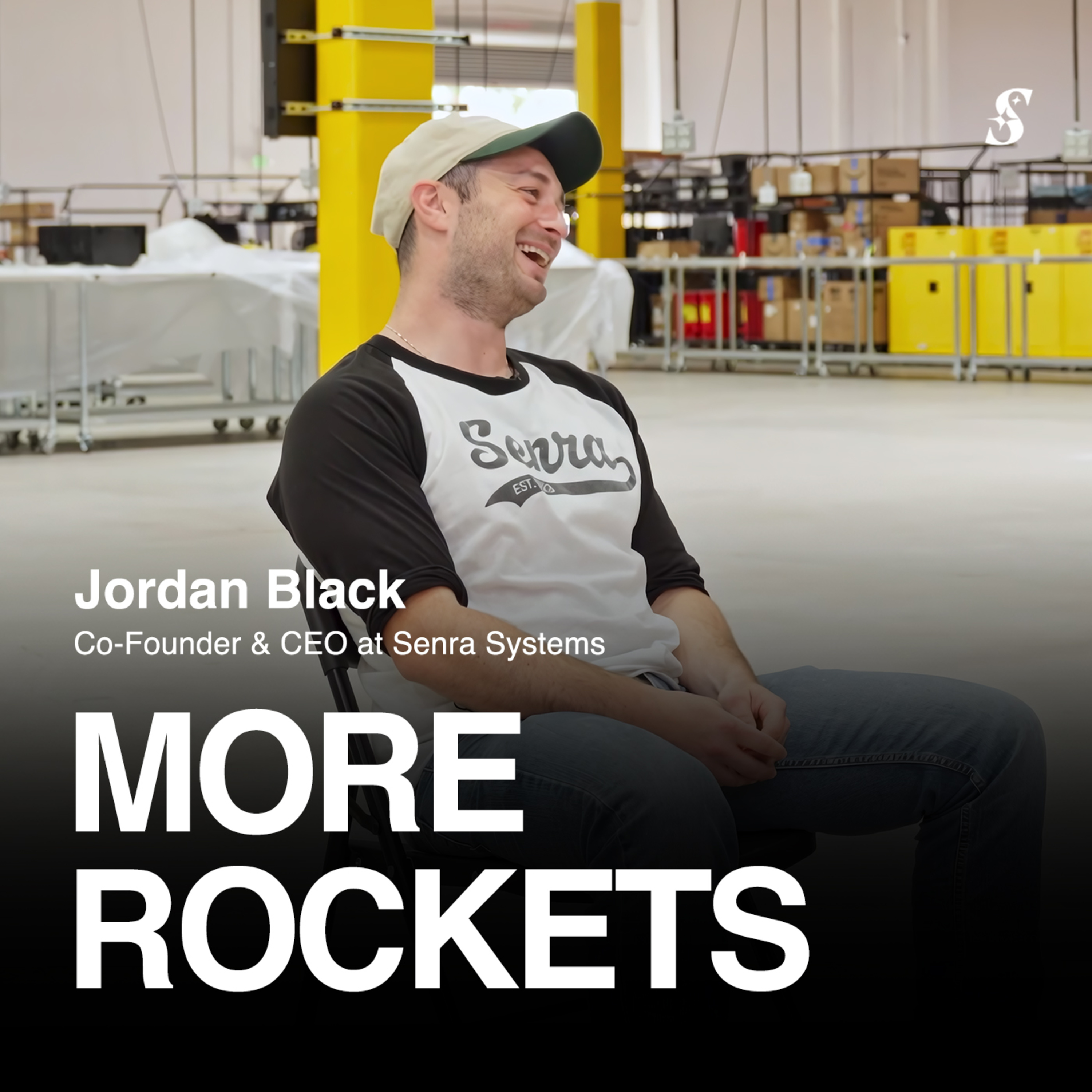
Senra Systems is installing camera systems to gather data on manual assembly tasks today, even though the robotic dexterity to automate them doesn't exist yet. This strategy ensures they will have the proprietary dataset needed to train AI models and be first to automate when the technology matures.
The company’s assembly line isn't fully automated. They use robots for repetitive tasks but rely on humans for high-dexterity operations, like installing small screws, that are difficult and costly to automate. This pragmatic approach balances capital expenditure with operational flexibility.