Get your free personalized podcast brief
We scan new podcasts and send you the top 5 insights daily.
Advanced AI like Astra dramatically lowers the barrier to creating highly custom software. Projects that were previously too complex for individuals—like reverse-engineering proprietary hardware or building a retro UI wrapper—can now be generated quickly, enabling a new wave of personalized applications.

Related Insights
The ability to code is no longer a prerequisite for software development. AI agents are democratizing creation, enabling anyone to build complex applications on demand. This flips the paradigm from a small fraction of specialized coders to a world of creators.

Previously, building bespoke software for niche internal problems was too expensive. AI agents dramatically lower this cost, allowing companies to create custom-fit solutions for 99% of their problems, ending the era of contorting workflows to fit generic, off-the-shelf tools.

AI will democratize software development to the point where building your own custom apps becomes commonplace. Instead of settling for one-size-fits-all solutions, people will create "personal software" perfectly tailored to their specific workflows, like a custom workout tracker.

AI is moving beyond chat interfaces to generate simple, personalized UIs or "mini apps" connected to agents. This allows non-technical users to spin up bespoke software dashboards for their specific needs, like a project status tracker, heralding an era of accessible, truly personal software.
The barrier to creating software is collapsing. Non-coders can now build sophisticated, personalized applications for specific workflows in under an hour. This points to a future where individuals and teams create their own disposable, custom tools, replacing subscriptions to numerous niche SaaS products.

The surprising success of Dia's custom "Skills" feature revealed a huge user demand for personalized tools. This suggests a key value of AI is enabling non-technical users to build "handmade software" for their specific, just-in-time needs, moving beyond one-size-fits-all applications.

A design agency professional with no coding experience used the Moltbot agent to build 25 internal web services simply by describing the problems. This signals a paradigm shift where non-technical users can create their own hyper-personalized software, bypassing traditional development cycles and SaaS subscriptions.
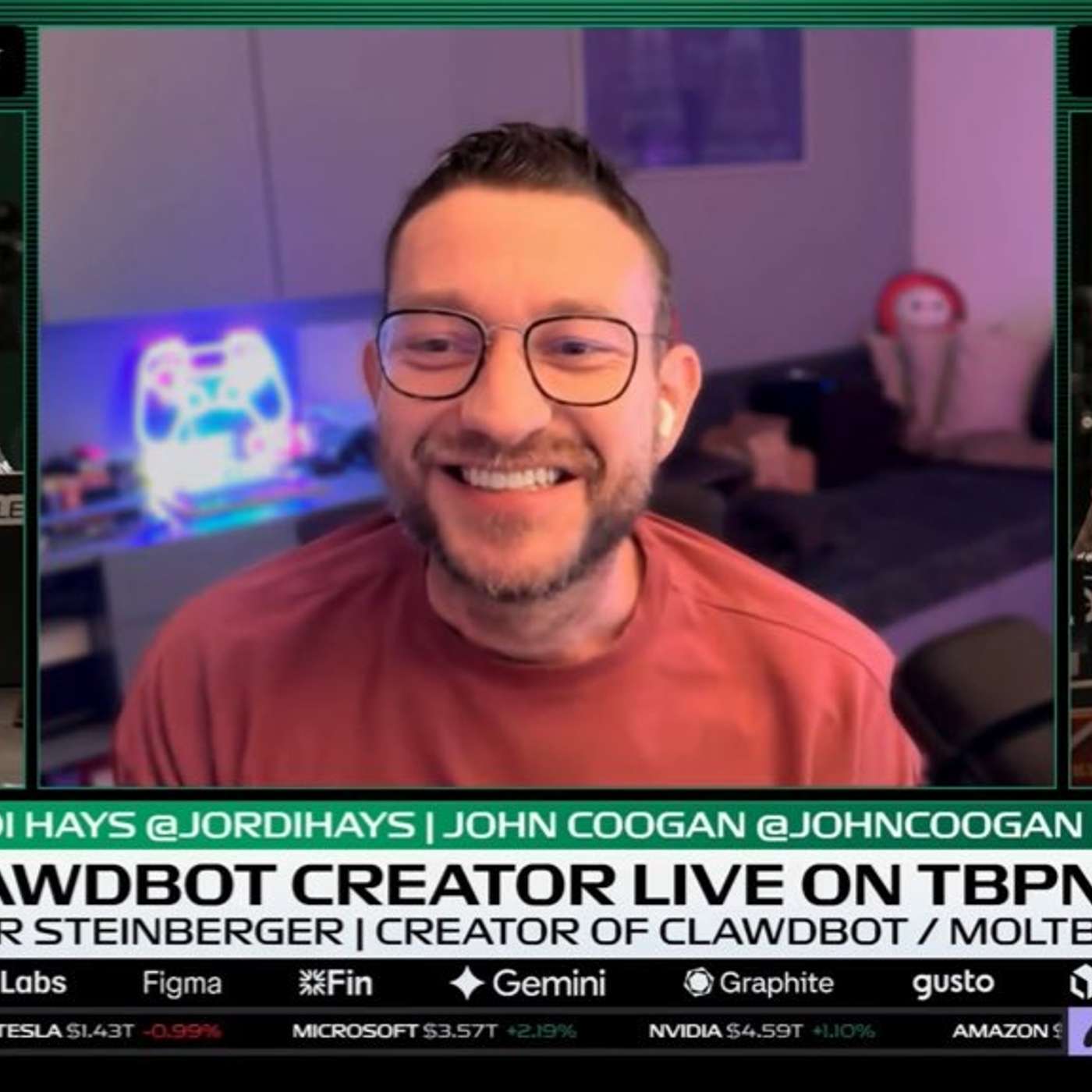
The excitement around tools like OpenClaw stems from their ability to empower non-programmers to create custom software and workflows. This replicates the feeling of creative power previously exclusive to developers, unlocking a long tail of niche, personalized applications for small businesses and individuals who could never build them before.
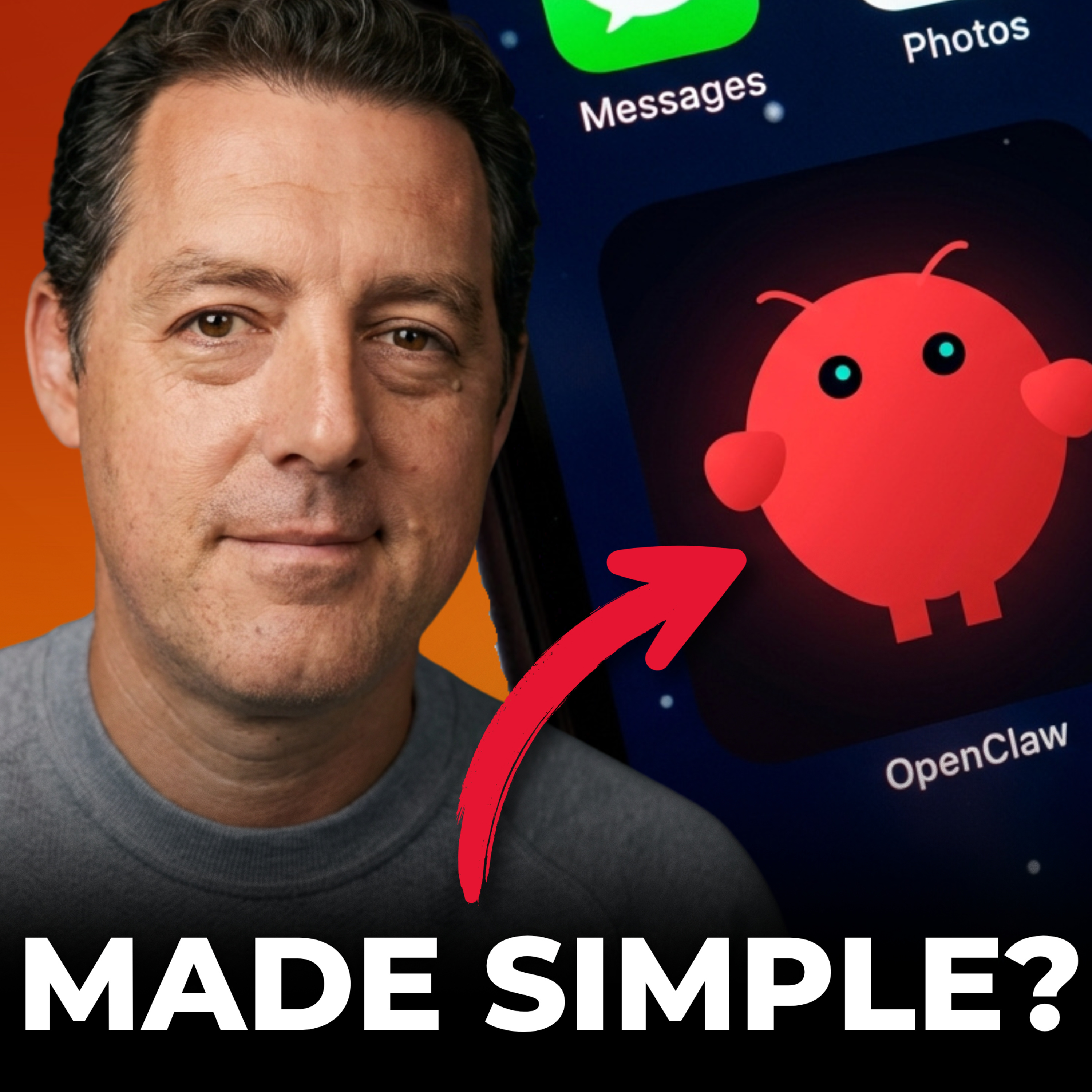
Non-technical users are leveraging agents like Moltbot to build their own hyper-personalized software. By simply describing a problem in natural language, they can create internal tools that perfectly solve their needs, eliminating the need to subscribe to many single-purpose SaaS applications.

AI coding tools dramatically lower the barrier to software creation, enabling a new wave of 'indie' developers. This will lead to an explosion of hyper-personal, niche apps designed to solve specific problems for small user groups, shifting the focus away from universal, VC-scale software.
