Get your free personalized podcast brief
We scan new podcasts and send you the top 5 insights daily.
AI will democratize software development to the point where building your own custom apps becomes commonplace. Instead of settling for one-size-fits-all solutions, people will create "personal software" perfectly tailored to their specific workflows, like a custom workout tracker.

Related Insights
Modern AI coding agents allow non-technical and technical users alike to rapidly translate business problems into functional software. This shift means the primary question is no longer 'What tool can I use?' but 'Can I build a custom solution for this right now?' This dramatically shortens the cycle from idea to execution for everyone.

Instead of relying on one-off prompts, professionals can now rapidly build a collection of interconnected internal AI applications. This "personal software stack" can manage everything from investments and content creation to data analysis, creating a bespoke productivity system.

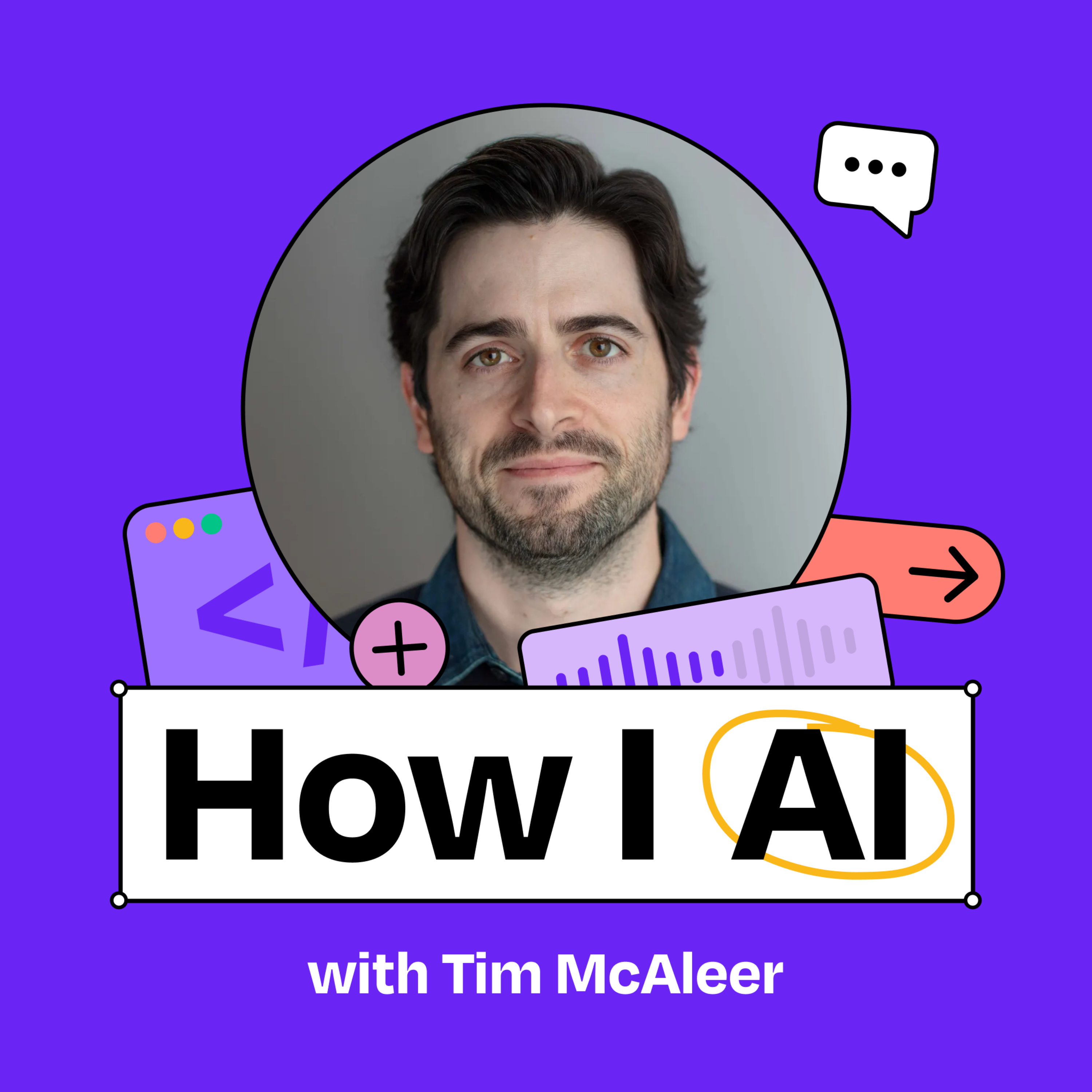
Tim McLear used AI coding assistants to build custom apps for niche workflows, like partial document transcription and field research photo logging. He emphasizes that "no one was going to make me this app." The ability for non-specialists to quickly create such hyper-specific internal tools is a key, empowering benefit of AI-assisted development.
The barrier to creating software is collapsing. Non-coders can now build sophisticated, personalized applications for specific workflows in under an hour. This points to a future where individuals and teams create their own disposable, custom tools, replacing subscriptions to numerous niche SaaS products.

Individuals will use AI to build bespoke software for personal use. A subset of these tools will find a niche market, creating entrepreneurs who operate outside the VC-funded, subscription-SaaS model, potentially favoring one-time purchase models due to low development costs.
Instead of being stuck with rigid software, a future powered by decentralized AI could allow users to modify their tools directly. For example, a doctor frustrated with an electronic medical record system could use natural language to instantly change the software to fit their workflow, reclaiming control over their digital environment.

The proliferation of AI development tools points to a future of billions of hyper-specialized applications. This could end the concept of a single, consistent user experience, creating a reality where every digital product is uniquely customized for each individual user.

The surprising success of Dia's custom "Skills" feature revealed a huge user demand for personalized tools. This suggests a key value of AI is enabling non-technical users to build "handmade software" for their specific, just-in-time needs, moving beyond one-size-fits-all applications.

AI coding tools dramatically lower the barrier to software creation, enabling a new wave of 'indie' developers. This will lead to an explosion of hyper-personal, niche apps designed to solve specific problems for small user groups, shifting the focus away from universal, VC-scale software.
The barrier to software creation has collapsed. An individual can now use an AI-powered builder like Lovable to create a functional MVP in minutes—a task that previously would have required a team, months of work, and tens of thousands of dollars.