Get your free personalized podcast brief
We scan new podcasts and send you the top 5 insights daily.
Meta is creating a new marketplace by allowing developers to build 'connectors' for its Muse agent. This mirrors the 2008 Apple App Store launch, which unlocked billions in value by providing a distribution platform for third-party services built on top of the iPhone.

Related Insights
The current ecosystem of insecure, community-submitted AI agent skills is unsustainable. The likely monetization path is a trusted, centralized "app store" that vets skills for security, offers them via subscription, and takes a revenue share from developers.

By testing premium subscriptions with expanded AI capabilities and integrating its Manus acquisition, Meta is revealing its strategy. It aims to create a 'personalized super intelligence' that operates across its massive ecosystem (WhatsApp, Instagram, Facebook), effectively leveraging its distribution power to dominate the consumer agent market.
In a telling strategic move, Meta leadership approved a Muse feature that auto-negotiates and lowballs sellers on Facebook Marketplace. This willingness to degrade the experience on a core product demonstrates how central AI agents are to the company's future, prioritizing agent utility over platform health.

The dominant consumer AI won't just be a subscription service. It will evolve into a new platform, like the iPhone, where other services (video, finance, travel) are embedded. This creates an ecosystem where service providers pay to be integrated, creating a novel economic model.

The nascent AI agent ecosystem lacks effective discovery mechanisms for third-party tools ('skills'). This creates an opportunity for curated marketplaces that help users find, vet, and even pay for high-quality, trustworthy agent capabilities, solving a key bottleneck to adoption.
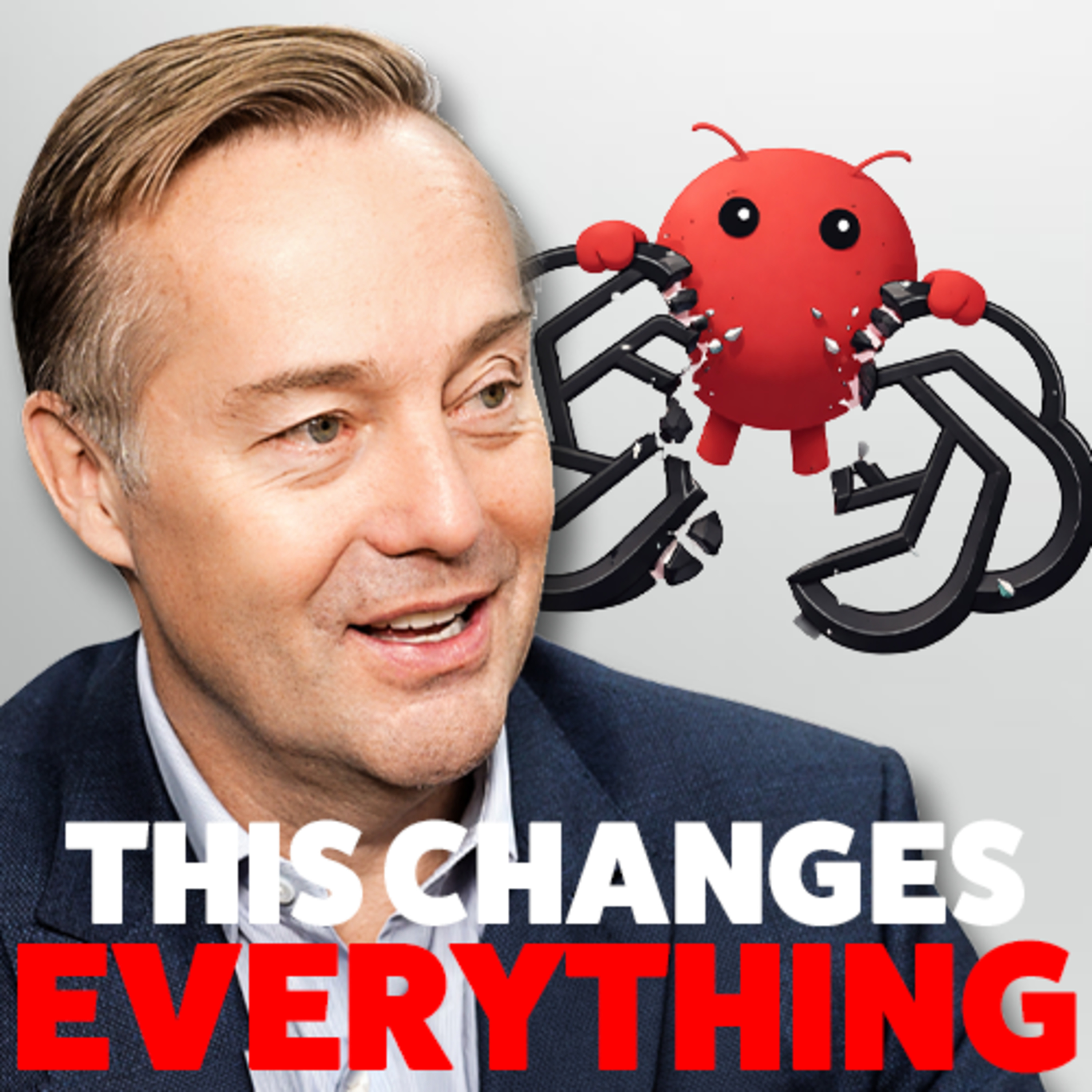
Meta's purchase of AI agent startup Manus is a strategic move to own the next consumer interface. The goal is to position Meta's platforms, like WhatsApp, as the starting point for a new interaction model where users deploy agents for e-commerce and other tasks, bypassing traditional apps.

The ChatGPT App Store launch is being compared to the original Apple App Store. Developers who are early and build useful applications for its 800 million weekly active users have the opportunity to create significant businesses, mirroring the success of early mobile app pioneers who capitalized on first-mover advantage.

Unlike the capital-intensive mobile app boom, building a Muse Connector can be done by individuals using AI coding agents like CloudCode or Codex. This dramatically lowers the barrier to entry, allowing founders to quickly prototype and launch a service without needing a large team or significant funding.
Similar to how mobile gave rise to the App Store, AI platforms like OpenAI and Perplexity will create their own ecosystems for discovering and using services. The next wave of winning startups will be those built to distribute through these new agent-based channels, while incumbents may be slow to adapt.
Mark Zuckerberg's strategy for Muse is to aggregate consumer demand and charge businesses a transaction fee for access. This is ironic given his public frustration and strategic moves to escape being a downstream business subject to Apple's App Store rules and 30% tax.
