Get your free personalized podcast brief
We scan new podcasts and send you the top 5 insights daily.
Astronomer Philip Plait notes that asteroids under a mile wide are typically loose collections of rocks bound by weak gravity. If an astronaut or probe attempted to stand on one, they would likely sink right through the surface like packing peanuts.

Related Insights
Avi Loeb compares comet experts to AI systems trained only on icy rocks, reflexively interpreting any new object as such. He argues they must expand their mental 'training dataset' to include technological possibilities to avoid misidentifying artificial objects, like NASA did with a Tesla Roadster.

Avi Loeb argues that the scientific mainstream has not yet grasped the opportunity presented by interstellar objects. Instead of spending billions of years traveling to other stars, we have materials from them arriving in our 'backyard.' Analyzing these objects is a low-cost way to search for the building blocks of life elsewhere.
The universe operates on roughly two dozen physical constants, like gravity's strength, that are tuned within incredibly narrow ranges to allow for life. A slight change in any one would make atoms, chemistry, or stars impossible. This precision is more analogous to calibrated game physics than a random cosmic event.

AstroForge's approach to landing on near-earth asteroids is more like a docking procedure than a traditional landing. By targeting specific metal-rich asteroids, which are magnetic, their spacecraft can simply use magnets to attach itself to the surface, a more delicate and efficient method than depicted in sci-fi.
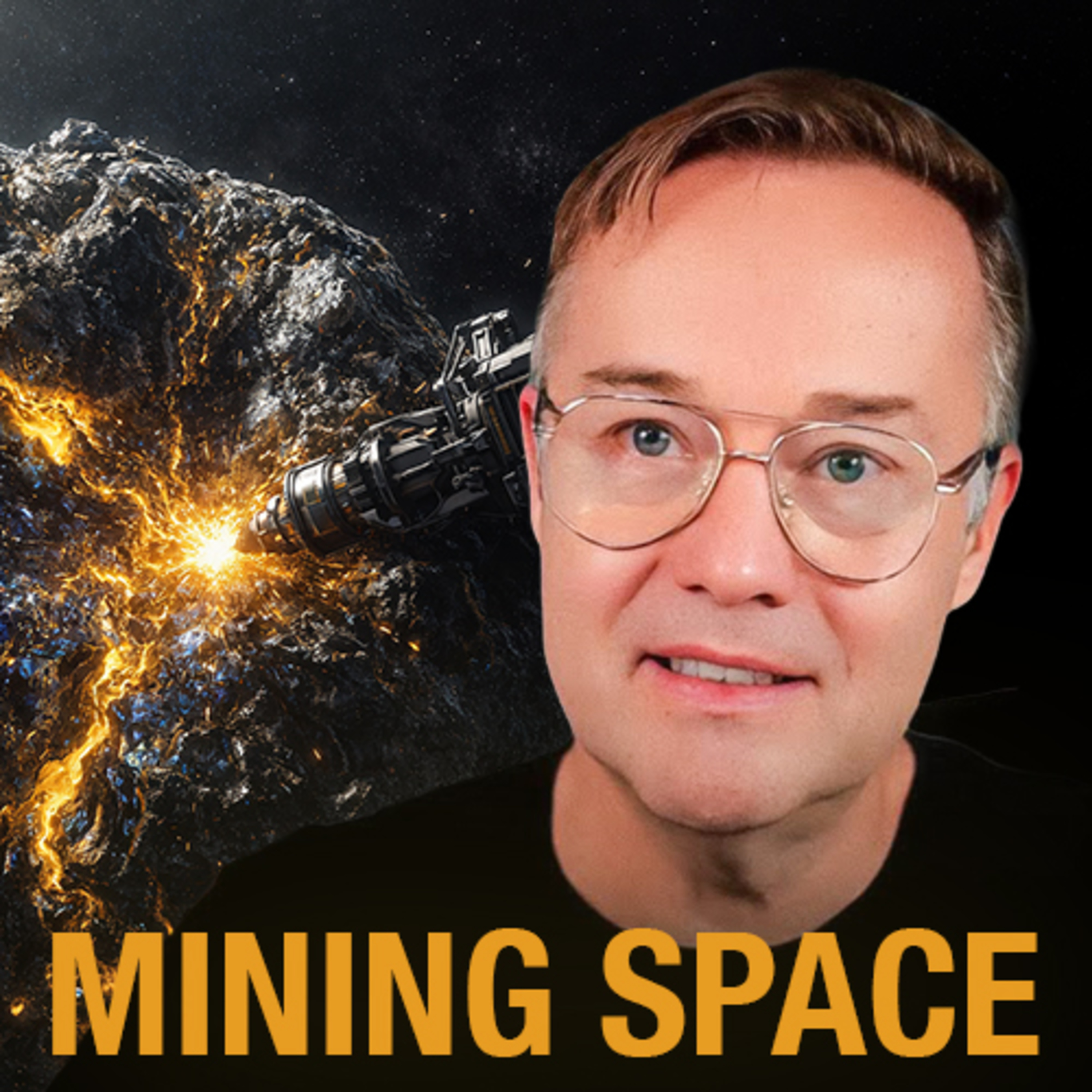
Combat in space or on the moon will be swift and catastrophic because spaceships and habitats are inherently fragile. Due to severe mass and volume constraints, they cannot be armored effectively. The winning strategy is not to withstand a hit, but to avoid detection, targeting, and being fired upon entirely.
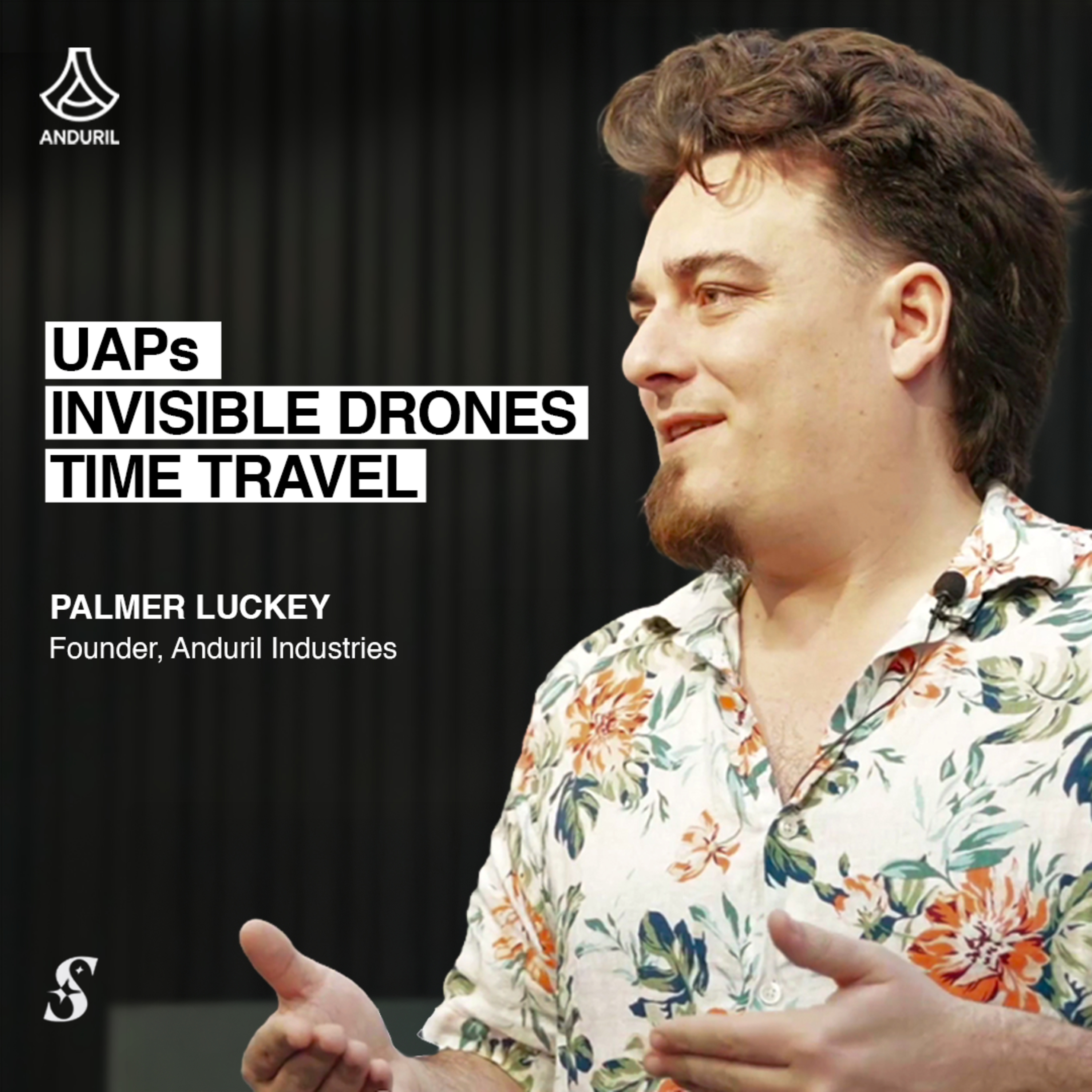
CEO Tom Mueller argues that while the Moon is important, some near-Earth asteroids are easier targets for resource extraction. The Moon's gravity well requires significant fuel for landing and takeoff, whereas asteroids have almost no gravity, making resource return missions far more efficient from a propulsion standpoint.

The force of gravity is precisely tuned for life to exist. If it were slightly weaker, stars wouldn't ignite; slightly stronger, the universe would have collapsed. This 'Goldilocks' condition is so improbable that some scientists argue it suggests our universe is just one of many, most of which are sterile.

A human born and raised in Mars's one-third gravity would likely not develop the bone density and muscular strength required to withstand Earth's gravity. The physical stress would be painful and potentially debilitating, effectively trapping them on their home planet for life.

Loeb presents a practical critique of searching for Dyson spheres. He calculates that such a megastructure couldn't survive asteroid impacts for more than a billion years. This suggests we are more likely to find its fragments—like 'Oumuamua, he speculates—than an intact, active megastructure.
Global economic models for resources like gold or lithium are based on the assumption of a finite supply within Earth's closed system. Introducing a massive new supply from a captured asteroid would shatter this foundational assumption, potentially collapsing markets and rendering all existing economic calculations obsolete overnight.