Get your free personalized podcast brief
We scan new podcasts and send you the top 5 insights daily.
Bill Winters embraces a leadership style that keeps many options open, which some criticize as indecisiveness. He views it as a strength, allowing him to make a decision only when it's the right time to 'exercise, sell, or shut down that option.'

Related Insights
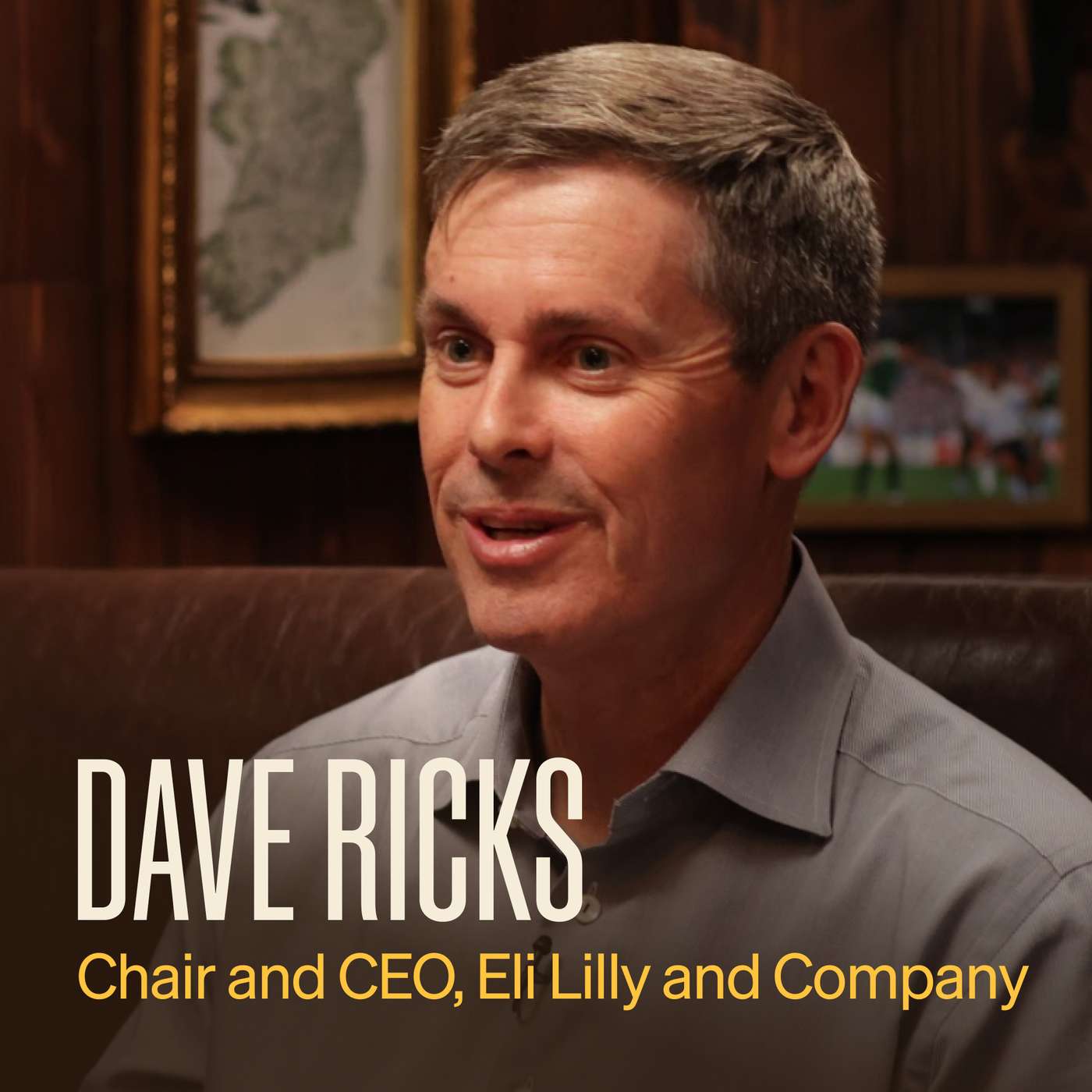
For its handful of major annual decisions, Eli Lilly's leadership team has a rule to never make a final call in the initial meeting. This process intentionally builds in time for reflection, debate, and persuasion.
The CEO of Africa's largest bank states they strategically avoid being on the cutting edge. This "fast follower" approach allows them to adopt proven innovations responsibly while avoiding the high costs and risks of being a pioneer.
When a founder advises a successor to 'make decisions that energize you,' it's a strategic directive, not a wellness tip. It serves as a guardrail against the 'death by a thousand cuts' that comes from compromising core beliefs just to make others comfortable, thereby preserving the vision.

Decisions aren't equal. Most are reversible "two-way doors." A few, like selling a company, are permanent "one-way doors." Leaders must recognize the difference and apply a more rigorous, contemplative process to irreversible choices, as they have lasting consequences.

Bill Winters credits his success to taking calculated risks at key career junctures, like leaving a comfortable job for a struggling bank. He advises young professionals to choose the 'reckless route' when faced with a fork in the road, as recovering from failure is easiest early in one's career.
Bill Winters reveals his biggest error in turning around the bank was aggressively cutting risk. He failed to realize the team's risk appetite had already collapsed, so his actions deepened their paralysis and slowed the eventual recovery, making it harder to restart growth.
A single decision-making style is a liability. Yale's Dean Kerwin Charles advises making operational decisions immediately while taking a slower, more contemplative approach to major strategic issues. This adaptability is key to effective leadership.

When communicating with shareholders during a crisis, Bill Winters didn't just present a plan. He explained why he, as an outsider with a comfortable life, chose the challenging CEO role. This demonstrated personal conviction in the bank's underlying value, building credibility beyond spreadsheets.
The most paralyzing decisions for a leader aren't clear-cut choices but dilemmas where every path is painful. Ben Horowitz's decision to take his company public with minimal revenue was a bad idea, but the alternative—bankruptcy—was worse. The key skill is choosing the 'slightly better' path in the abyss, despite the guaranteed negative feedback.

During Standard Chartered's turnaround, CEO Bill Winters made regulators his top priority, even at the short-term expense of shareholders. He argues this is a non-negotiable survival tactic, as regulators are the ones who grant a bank its fundamental license to operate.