Get your free personalized podcast brief
We scan new podcasts and send you the top 5 insights daily.
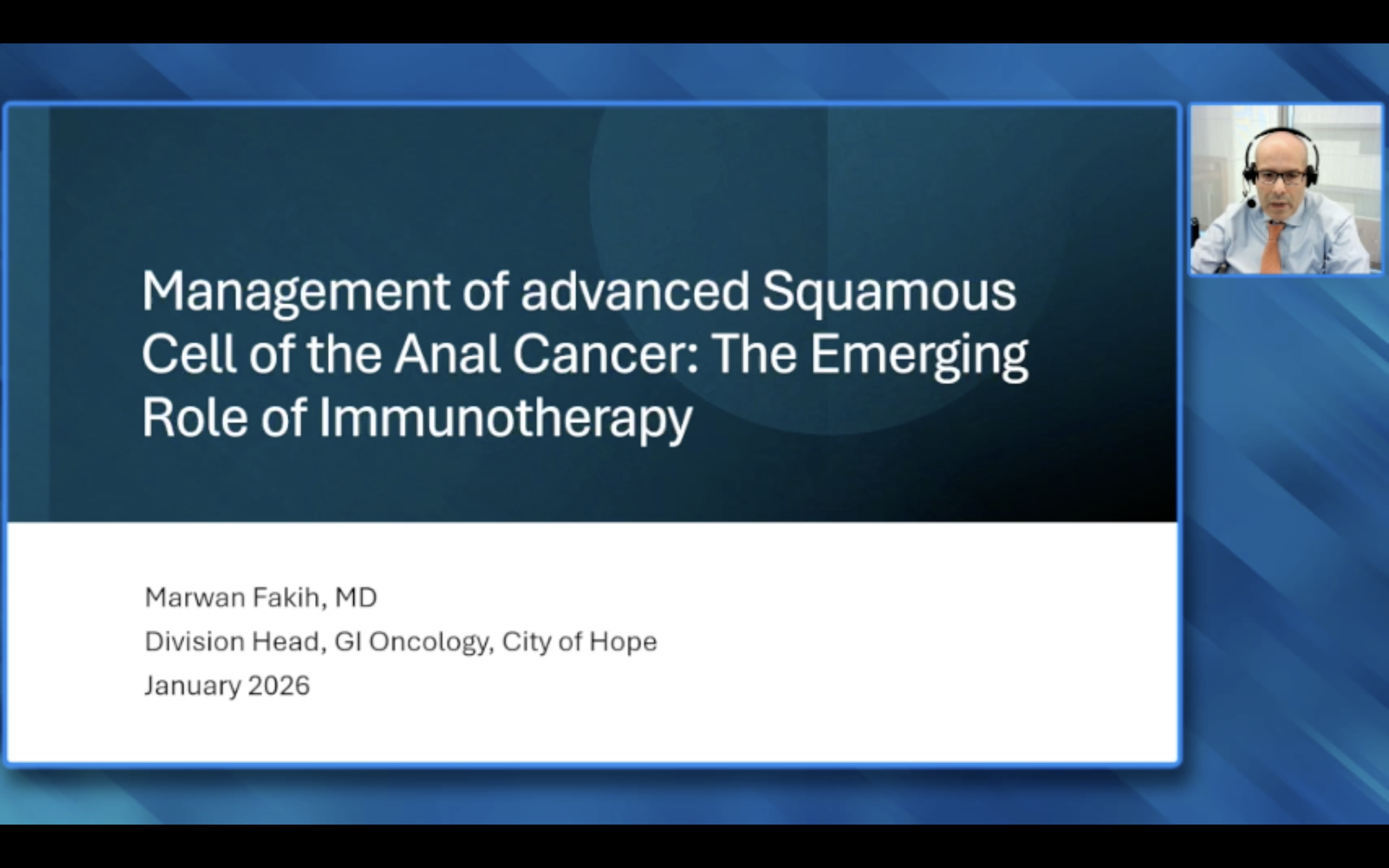
The trial allowed patients in the placebo group to receive retifanlimab upon progression (crossover). This common design dilutes the observed overall survival difference. While initial results were not statistically significant, updated data revealed a clinically meaningful 10.6-month median OS improvement.
Related Insights
Despite the ASCENT-07 trial failing its primary progression-free survival (PFS) endpoint, an early overall survival (OS) signal emerged. This divergence suggests the drug may confer a survival advantage not captured by the initial endpoint, complicating the definition of a "negative" trial and warranting further follow-up.

To demonstrate a long-term survival benefit without a new trial, Neuvivo hired a research firm to track down patients from the original study. By collecting "last date alive" information in a blinded fashion, they generated statistically significant survival data years after the trial concluded.

Data from the Podium-303 trial's crossover arm suggests that waiting to use a PD-1 inhibitor after progression on chemotherapy is less effective than using it concurrently from the start. This supports the synergistic effect of chemo-immunotherapy and favors the concurrent approach as the standard of care.
In trials like ASCENT-4, where over 80% of the control arm received sacituzumab govitecan upon progression, the true overall survival (OS) benefit is obscured. This makes progression-free survival (PFS) a more reliable endpoint for evaluating the drug's first-line efficacy.
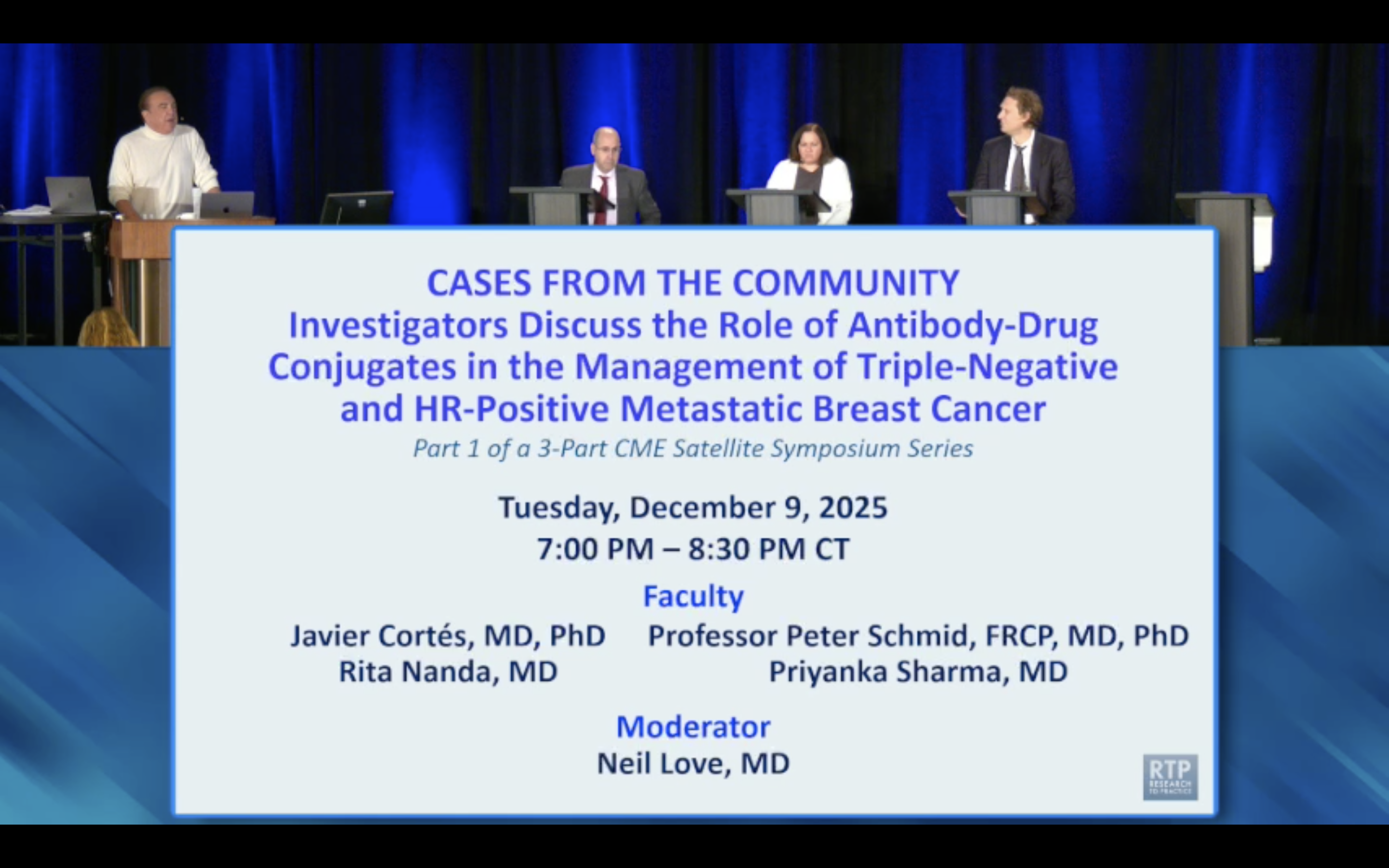
The AscentO3 trial lacked an overall survival benefit for its primary endpoint because its design ethically allowed patients on the chemotherapy arm to receive sacituzumab govitecan upon progression. This 'crossover' improves care for the control group but makes it statistically difficult to demonstrate a first-line survival advantage.
The control arm in the EMBARK study was blinded to PSA results, preventing physicians from intervening with standard-of-care AR antagonists at PSA progression. This design likely delayed subsequent effective therapies, making the control arm underperform and potentially exaggerating the overall survival benefit of the experimental arms.

In the ASCENT-07 trial, investigators may have prematurely switched patients from the standard chemotherapy arm to superior, commercially available ADCs at the first hint of progression. This real-world practice can mask an experimental drug's true benefit on progression-free survival.
An overall survival (OS) benefit in an adjuvant trial may not be meaningful for patients in systems (e.g., the U.S.) with guaranteed access to the same effective immunotherapy upon recurrence. The crucial, unanswered question is whether treating micrometastatic disease is inherently superior to treating macroscopic disease later, a distinction current trial data doesn't clarify.
In the Podium-303 trial, adding retifanlimab to chemotherapy improved the overall response rate by 11%. However, its most significant impact was doubling the median duration of response from 7.2 to 14 months, providing a much more durable benefit for patients after chemotherapy is stopped.
A significant criticism of the pivotal KEYNOTE-564 trial is that only half the patients in the control arm received standard-of-care immunotherapy upon relapse. This lack of subsequent optimal treatment complicates the interpretation of the overall survival benefit, raising questions about its true magnitude.