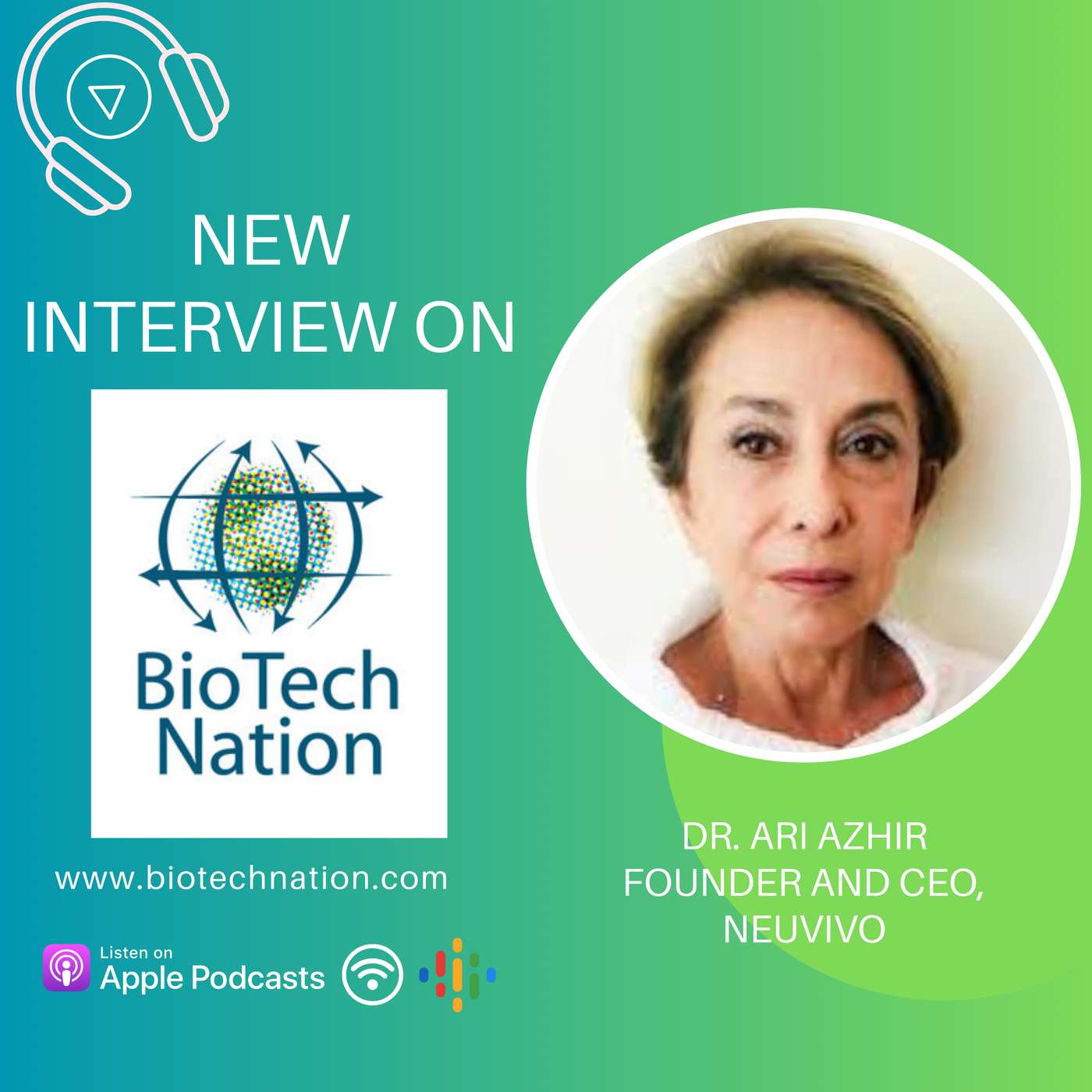
When a promising ALS drug failed Phase 2 trials, the company shut down. The drug's original founder, Dr. Ari Azhir, still believed in the science, repurchased the asset and all its data, and ultimately uncovered its true potential, leading to a new FDA application.
After reacquiring a "failed" ALS drug, Neuvivo's team re-analyzed the 200,000 pages of trial data. They discovered a programming error in the original analysis. Correcting this single mistake was a key step in reversing the trial's outcome from failure to success.
Re-analysis revealed the drug's efficacy was concentrated in patients 65 and younger, extending survival by 17.1 months. This effect was missed in the original trials because it was diluted by the non-responsive older population, whose declined immune systems could not fully engage with the treatment.
To demonstrate a long-term survival benefit without a new trial, Neuvivo hired a research firm to track down patients from the original study. By collecting "last date alive" information in a blinded fashion, they generated statistically significant survival data years after the trial concluded.
Diverging from typical approaches that focus on damaged neurons, Neuvivo's drug addresses ALS as an immune system disorder. By supplying a molecule the immune system is missing, it helps regulate the system, allowing the body to recover from the attacks that cause neurodegeneration.