Get your free personalized podcast brief
We scan new podcasts and send you the top 5 insights daily.
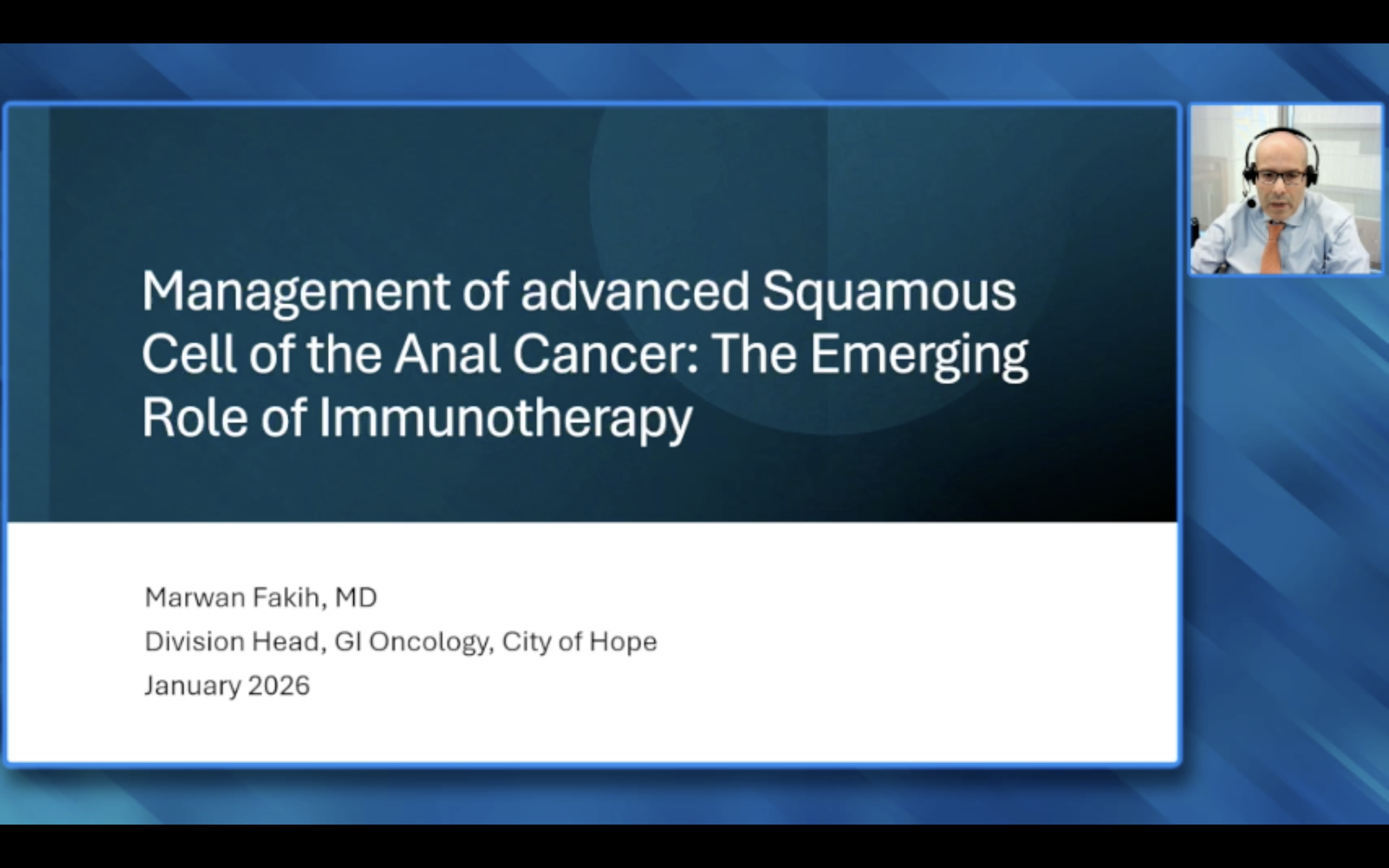
Data from the Podium-303 trial's crossover arm suggests that waiting to use a PD-1 inhibitor after progression on chemotherapy is less effective than using it concurrently from the start. This supports the synergistic effect of chemo-immunotherapy and favors the concurrent approach as the standard of care.
Related Insights
The NCI 9673 trial demonstrated that adding the CTLA-4 inhibitor ipilimumab to the PD-1 inhibitor nivolumab did not improve response rate, PFS, or overall survival in patients with previously treated anal cancer. This finding discourages this combination approach, avoiding unnecessary toxicity.
The failure of the concurrent chemo-immuno-radiation approach has not stalled progress. Instead, new clinical trials are actively exploring novel strategies like SBRT boosts, dual checkpoint inhibitors, radiosensitizing nanoparticles, and induction immunotherapy to improve upon the current standard of care.

While the feared side effect of severe lung inflammation (pneumonitis) did not increase, other immune-mediated adverse events did. This led to higher rates of treatment discontinuation in the experimental arm, potentially negating any benefits of the concurrent approach and contributing to the trial's failure.
Developers often test novel agents in late-line settings because the control arm is weaker, increasing the statistical chance of success. However, this strategy may doom effective immunotherapies by testing them in biologically hostile, resistant tumors, masking their true potential.

For endometrial or cervical cancer patients who progress after receiving a checkpoint inhibitor, re-challenging with a single-agent immunotherapy is a less desirable approach. Emerging data suggests that a combination therapy—such as an ICI paired with a TKI like lenvatinib or a bispecific antibody—offers a more promising chance of response.
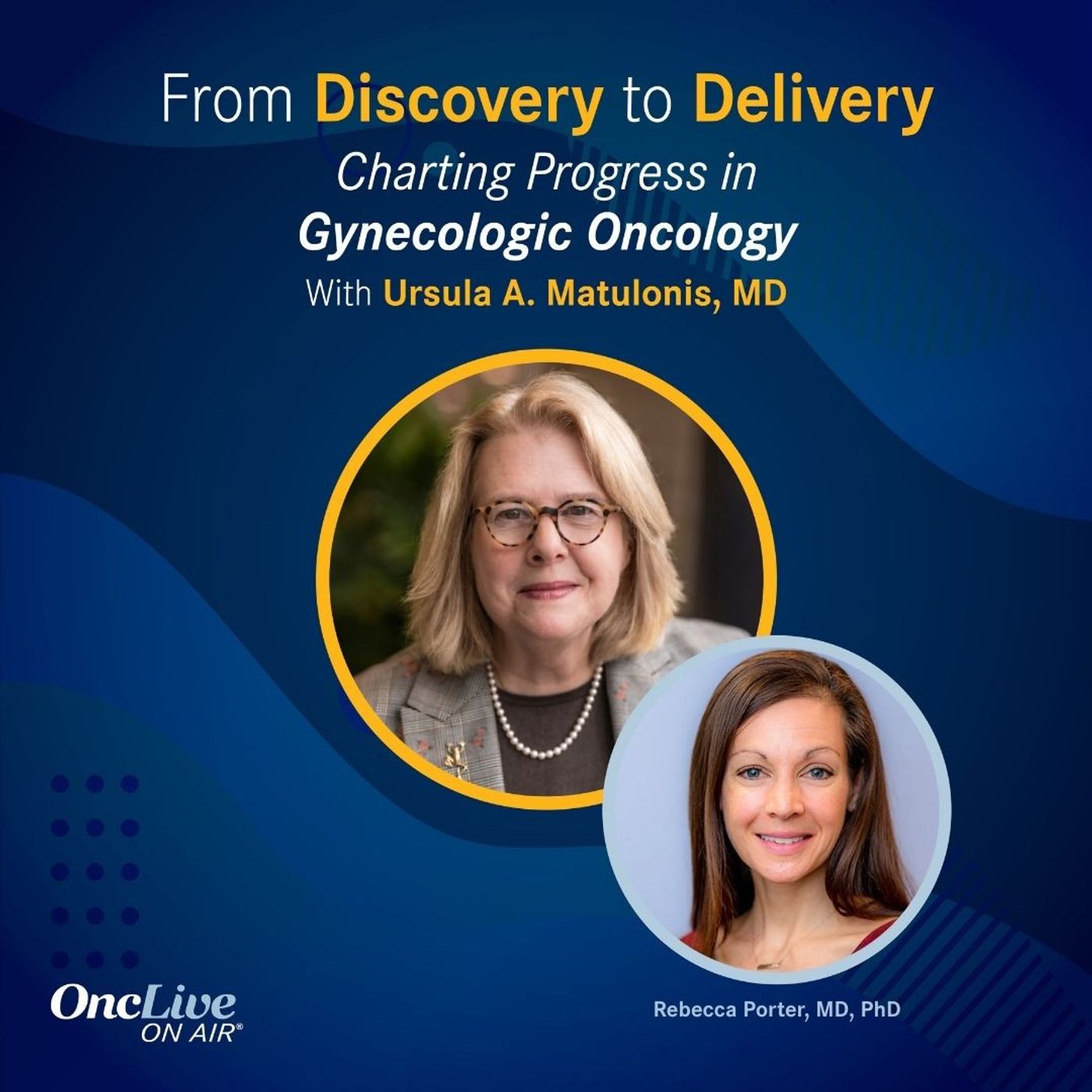
In the Podium-303 trial, adding retifanlimab to chemotherapy improved the overall response rate by 11%. However, its most significant impact was doubling the median duration of response from 7.2 to 14 months, providing a much more durable benefit for patients after chemotherapy is stopped.
The failure of the Checkmate 914 adjuvant trial, which used a six-month duration of nivolumab plus ipilimumab, suggests this shorter treatment window may be inadequate. In contrast to positive trials with one year of therapy, this outcome indicates that treatment duration is a critical variable for achieving a disease-free survival benefit in the adjuvant RCC setting.
While KEYNOTE-905 showed dramatic survival benefits with neoadjuvant plus adjuvant EV-pembrolizumab, its design makes it impossible to isolate the benefit of each phase. The high (57%) pathologic complete response after neoadjuvant therapy alone suggests many patients may be overtreated with adjuvant cycles, risking unnecessary long-term toxicity like neuropathy.
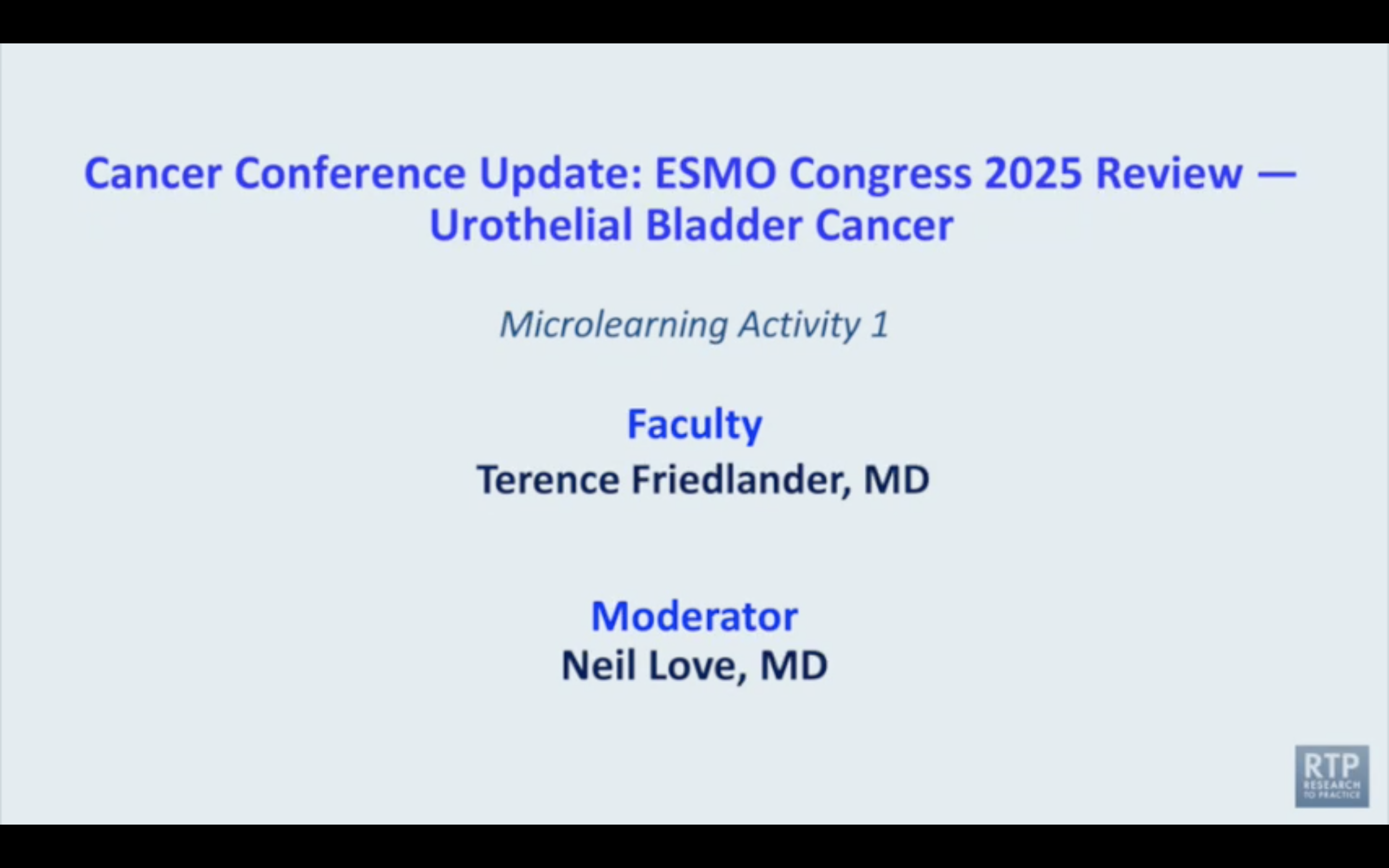
As multiple effective Antibody-Drug Conjugates (ADCs) become available, the primary clinical challenge is no longer *if* they work, but *how* to use them best. Key unanswered questions involve optimal sequencing, dosing for treatment versus maintenance, and overall length of therapy, mirroring issues already seen in breast cancer.
Dr. Radvanyi advocates for a paradigm shift: treating almost all cancers with neoadjuvant immunotherapy immediately after diagnosis. This "kickstarts" an immune response before standard treatments like surgery and chemotherapy, which are known to be immunosuppressive, can weaken the patient's natural defenses against the tumor.
