Get your free personalized podcast brief
We scan new podcasts and send you the top 5 insights daily.
Menlo Ventures is rebuilding by hiring former operators from companies like Splunk and Atlassian. The goal is to combine their "in the weeds" experience of running a company with the long-term vision and financial expertise of traditional investors.

Related Insights
Instead of building a platform team of specialists, Eclipse operates like a small special forces unit. A lean team of senior partners, all ex-operators, handles everything from thesis creation to scaling companies. This ensures founders get direct support from proven builders, not junior staff.
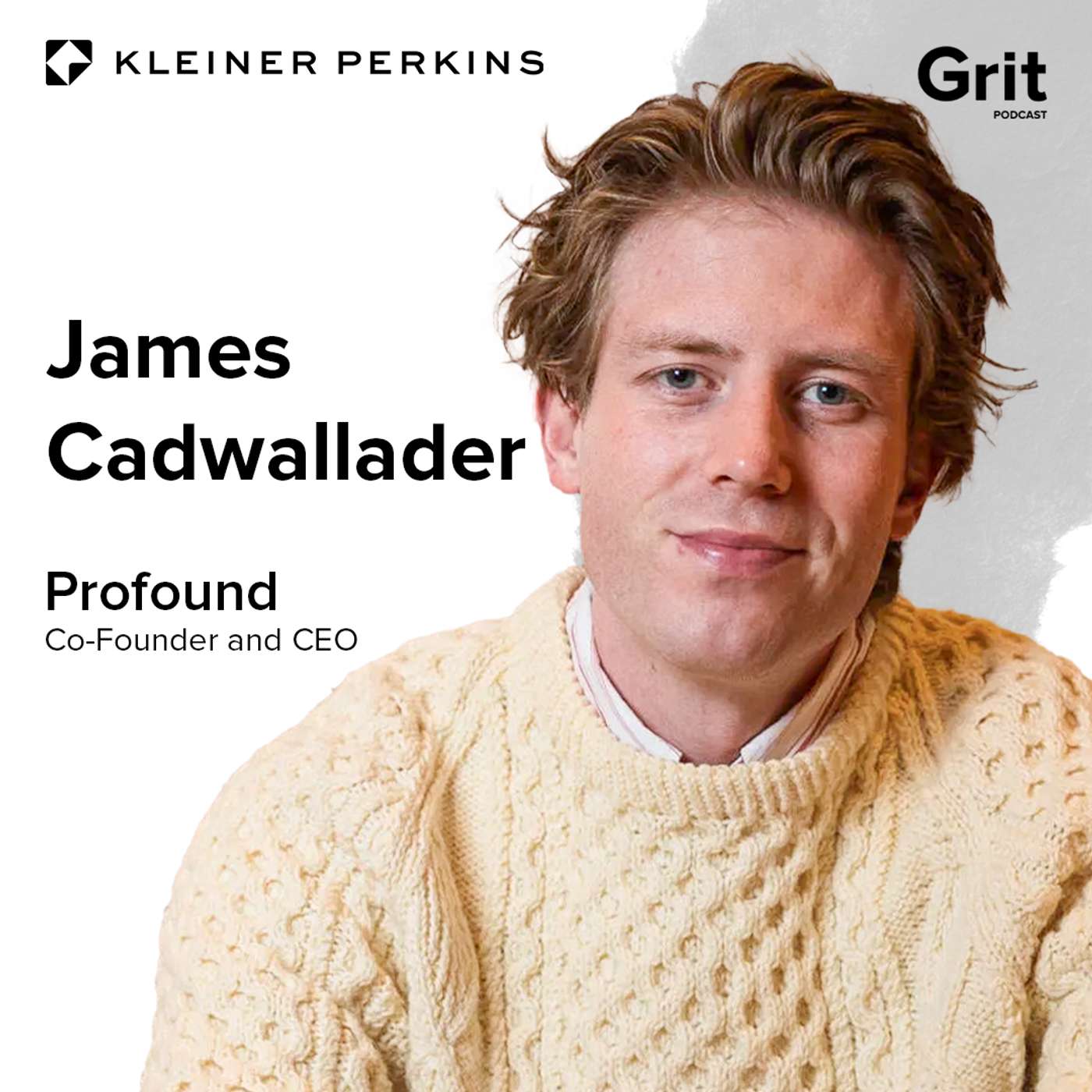
A scaling founder can avoid "breaking the model" during hypergrowth by hiring senior leaders with proven track records in similar environments. For example, Profound hired a CRO who previously scaled a company with the same target customer to $250M, bringing invaluable experience to manage chaos.
The expectation for venture capitalists has shifted. Founders no longer just want finance professionals; they demand investors who have direct operational experience and have been "in the trenches" of building a company. This change reflects a move towards more hands-on, value-add investing.
To maximize value creation, young private equity firm Teopo Capital made a strategic decision to hire a full-time operating partner dedicated to portfolio companies before building out a fundraising team. This signals a deep commitment to hands-on operational improvement as their core strategy.

VCs with operator backgrounds can provide a unique type of support, acting as a "favorite uncle." They are a safe sounding board for sensitive, human-centric challenges like layoffs, where founders may hesitate to speak with board members who are solely focused on growth metrics.

The hardest transition from entrepreneur to investor is curbing the instinct to solve problems and imagine "what could be." The best venture deals aren't about fixing a company but finding teams already on a trajectory to succeed, then helping change the slope of that success line on the margin.

The most successful operating partner model in venture isn't a long-term advisory role. It functions as a "try before you buy" for both the partner and the portfolio company, with the partner's primary goal being to find a cultural fit and land a C-suite position.
The transition from a C-suite operator managing thousands to an investor is jarring. New VCs must adapt from leading large teams to being individual contributors who write their own memos and do their own sourcing. This "scaling down" ability, not just prior success, predicts their success as an investor.
Alpine's "People-First" strategy inverts the typical PE model by building a bench of pre-vetted CEOs-in-Residence. This allows them to acquire businesses that lack incumbent management teams, positioning the firm as being in the "talent business" more than the "deals business."
Most VCs fail at talent support by simply matching logos on a resume to a portfolio company. A better model is to first embed operators (e.g., fractional sales leaders) into the startup. This provides the deep, nuanced context required to find candidates who fit the specific business and culture, leading to better hiring outcomes.
