Get your free personalized podcast brief
We scan new podcasts and send you the top 5 insights daily.
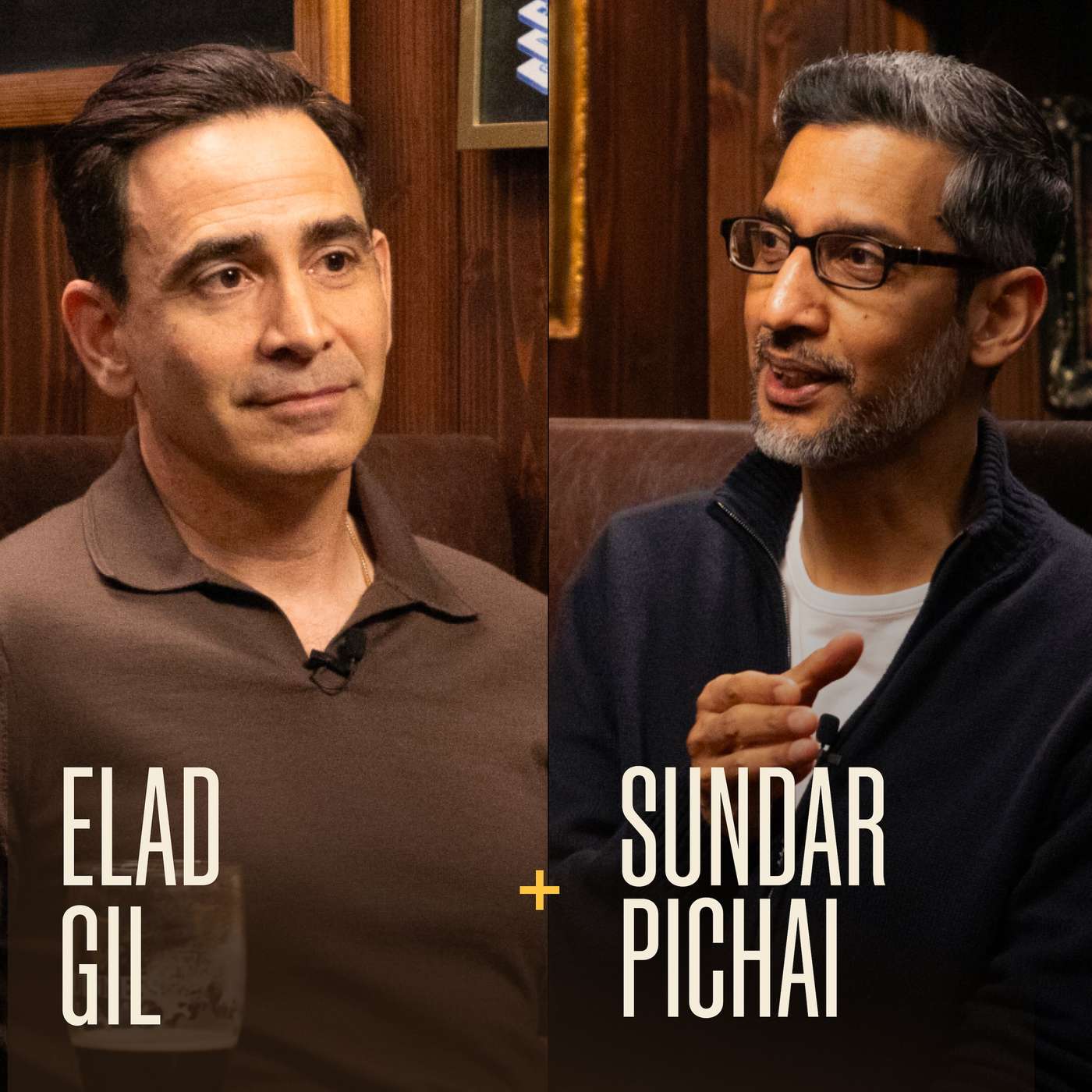
To stay connected with user experience, Sundar Pichai goes beyond typical dogfooding. He now uses an internal AI agent to query and summarize public sentiment about product launches, asking it for the "worst five things" and "best five things" people are saying.
Related Insights
Ramp built an AI agent that sifts through Gong recordings, Salesforce notes, support tickets, and chats to answer any product question. This automates the work of an entire team, turning days of research into an eight-minute query to identify key customer pain points and roadmap priorities.

A key metric for AI coding agent performance is real-time sentiment analysis of user prompts. By measuring whether users say 'fantastic job' or 'this is not what I wanted,' teams get an immediate signal of the agent's comprehension and effectiveness, which is more telling than lagging indicators like bug counts.
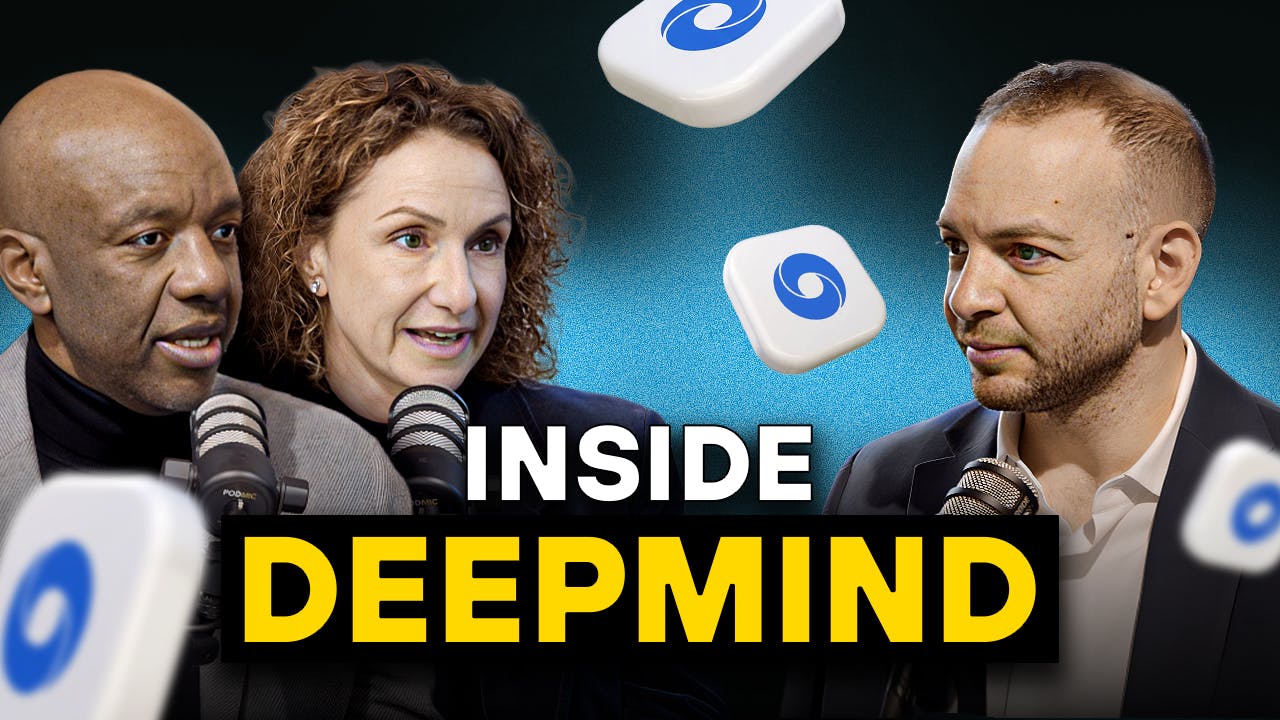
Sundar Pichai explains Google didn't productize Transformers into a chatbot first, not due to a research fumble, but because they immediately saw huge ROI applying it to Search. They also held back an internal version (LaMDA) due to a higher bar for safety and product quality.
Even for Google, new products start with a small group of trusted testers. The key turning point isn't a metric but a qualitative signal: when early users go from reporting bugs to proactively sharing stories about how the product solved a complex problem for them in an unexpected way.

Power dynamics often prevent leaders from receiving truly honest feedback. By implementing AI "coaching bots" in meetings, executives can get objective critiques of their performance. The AI acts as an "infinitely patient coach," providing valuable insights that colleagues might be hesitant to share directly.
To get truly honest feedback, Webflow's CPO programmed her AI chief of staff to be "mean." The AI delivers a "brutal truth" section, criticizing her for spending time on tasks below her role. This demonstrates how AI can serve as an unflinching accountability partner, providing feedback humans might hesitate to give.

Google has shifted from a perceived "fear to ship" by adopting a "relentless shipping" mindset for its AI products. The company now views public releases as a crucial learning mechanism, recognizing that real-world user interaction and even adversarial use are vital for rapid improvement.
Brian Armstrong uses an AI connected to all company data (Slack, G-Docs) as a C-suite coach. He asks it questions like "What should I be aware of?" or "What did I change my mind on most?" to surface hidden issues and get objective feedback, treating the AI as a mentor.

Instead of being replaced by AI chatbots or agents, Pichai believes Search will evolve to manage them. Users will run multiple, long-running tasks, and Search will become the interface to orchestrate these agentic flows, expanding its capabilities rather than becoming obsolete.
Following ChatGPT's 'Pearl Harbor moment,' Google's CEO was seen as a lagging peacetime leader. He responded by issuing a 'code red,' restructuring the company, and empowering AI leaders. This decisive action transformed his image and positioned Google to aggressively compete in the AI race.
