Get your free personalized podcast brief
We scan new podcasts and send you the top 5 insights daily.
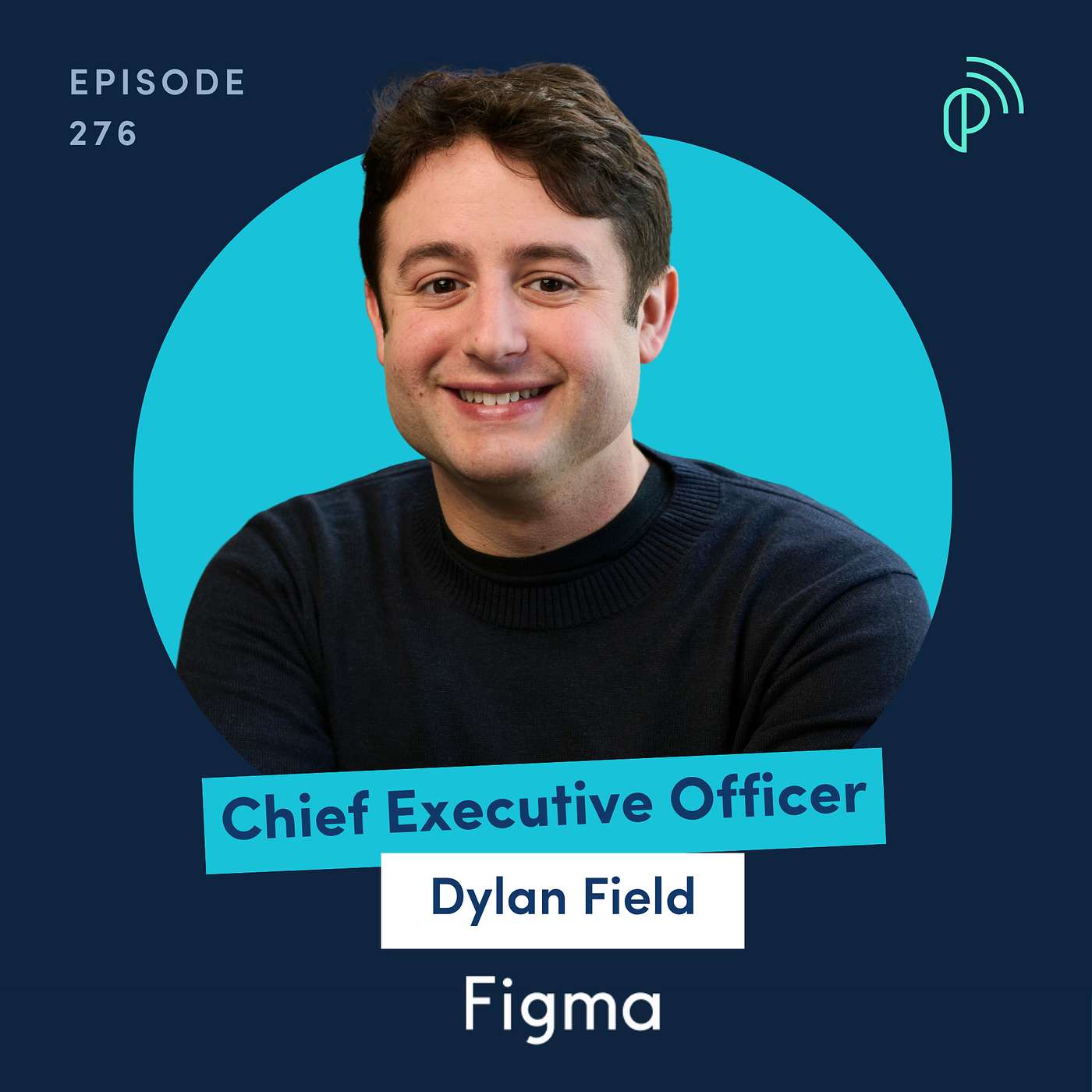
To gain global user insights, Dylan Field would organize informal Figma meetups whenever he traveled for personal reasons. This low-cost, high-impact approach provided crucial one-on-one context about regional needs, like localization in Southeast Asia, that group settings often miss.
Related Insights
In Figma's early days, CEO Dylan Field actively sought out his idols in the design community via cold emails. He didn't ask for praise; he asked them to critique the product harshly. This direct, high-quality feedback was a 'blessing' that accelerated improvement and built crucial industry relationships.
Figma's expansion into multiple products (FigJam, Slides) wasn't based on abstract strategy but on observing users pushing the main design tool to its limits for unintended use cases. Identifying these 'hacks' revealed validated market needs for dedicated products.
A GSB receptionist's casual chats with alumni revealed the program's long-term "fine wine" value—a strategic insight that formal surveys often miss. This shows how empowering frontline employees to listen can uncover profound user truths.
MicroConf replaced an afternoon of talks with excursions like boat trips. This intentionally unstructured time outside the formal venue helps founders build genuine connections and better process event learnings, moving beyond surface-level networking.

The global "Copywriters Unite" community grew successfully by rejecting formal structures. Simple, recurring pub meetups with no tickets, speakers, or agenda create a low-pressure environment where authentic connections form easily around a shared professional identity.

To truly understand customers, go to their natural environment—their home or shop. Observing their context reveals far more than sterile office interviews. This practice, internally branded "Listen or Die," ensures the entire team stays connected to the user's reality.
While remote work is efficient, it lacks opportunities for spontaneous chemistry-building. The speaker prioritizes in-person time for his remote team, noting that camaraderie is built not in meetings but during "the little moments in an Uber" or over lunch. These informal interactions are critical for effective remote collaboration.

The foundation of Faberge's community wasn't a formal event strategy but a simple, organic act. After interviewing key people for her company, she would ask them if they'd like to meet others she'd spoken with. This personalized matchmaking naturally evolved into larger group gatherings.

The founder's number one piece of advice is to 'get on the plane.' In an era of digital communication, physically meeting customers is a powerful differentiator. He was shocked by how many customers said his was the only startup vendor to ever visit their office. This direct, in-person connection provides insights that competitors miss.

To bridge cultural and departmental divides, the product team initiated a process of constantly sharing and, crucially, explaining granular user data. This moved conversations away from opinions and localized goals toward a shared, data-informed understanding of the core problems, making it easier to agree on solutions.
