Get your free personalized podcast brief
We scan new podcasts and send you the top 5 insights daily.
Tony James joined Blackstone 17 years in because he thrives on the rapid escalation phase of a company's S-curve. He preferred taking an existing, sub-scale platform and professionalizing it for massive growth rather than starting a new firm from zero.

Related Insights
In an era of rapid technological shifts, durable value comes not from steady revenue growth but from a founder's capacity to reinvent the company repeatedly. Databricks' CEO Ali Ghodsi exemplifies this by successfully navigating multiple S-curves, which is the true driver of long-term success.

A strategy for durable company-building is to aim for an enterprise value multiple that is highest in year 20. This long-term perspective focuses on the immense power of late-stage compounding growth and insulates the company from the volatility of short-term capital markets and technology hype.

Mark Ein's investment model focuses on finding fantastic existing companies that have plateaued. He then applies a venture-style growth mindset to accelerate their trajectory, combining the stability of an established business with the rapid-scaling tactics of a startup.

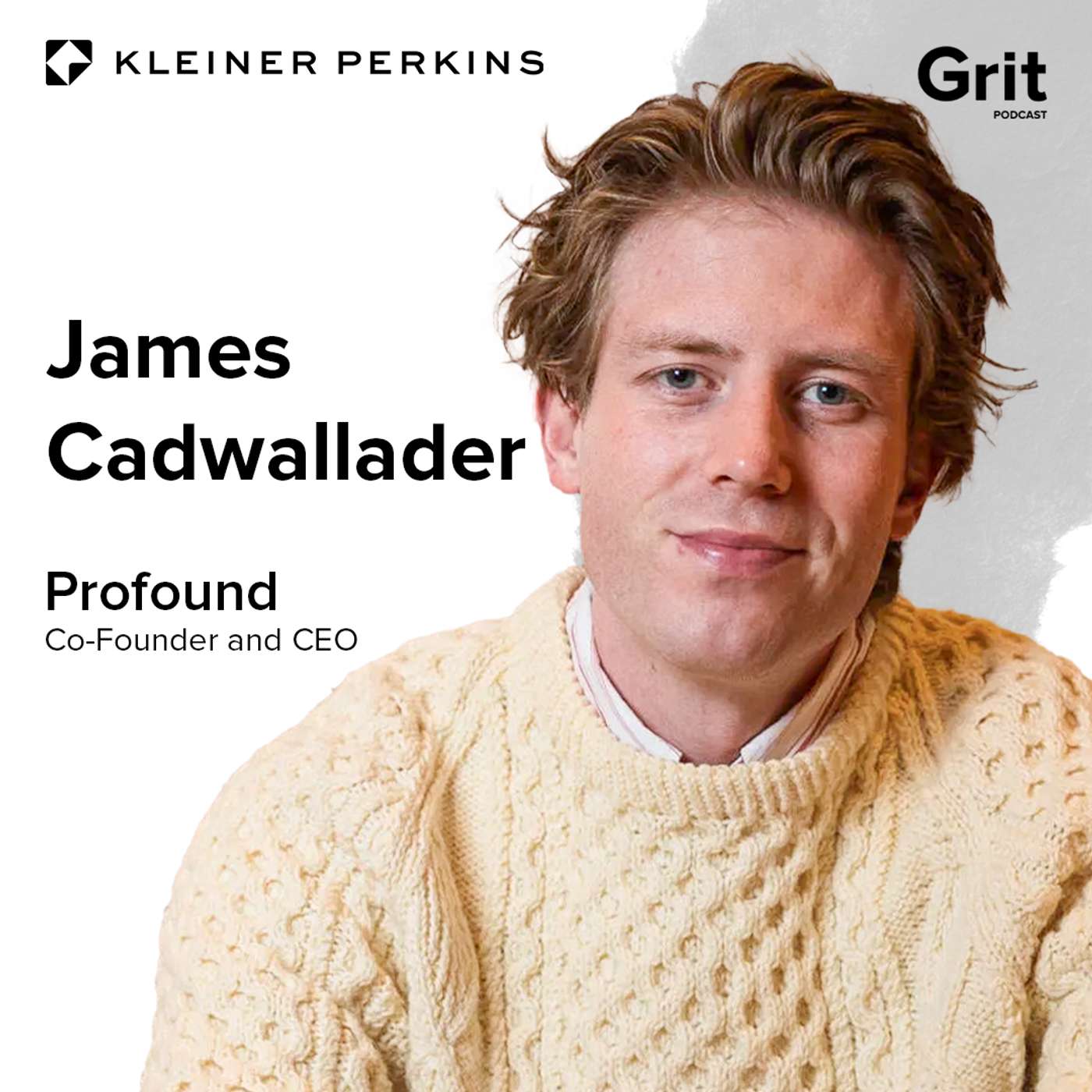
A scaling founder can avoid "breaking the model" during hypergrowth by hiring senior leaders with proven track records in similar environments. For example, Profound hired a CRO who previously scaled a company with the same target customer to $250M, bringing invaluable experience to manage chaos.
Palo Alto Networks' founder advises that when facing a 10x leap in scale, founders who haven't navigated that stage should hire leaders who have. Rather than being a hero and learning on the job, it's safer and more effective to bring in proven experience to de-risk the next phase of growth.

Individual effort is like climbing a ladder, but working at a rapidly growing company puts that ladder on an escalator. The company's momentum creates opportunities and upward movement for you that are independent of your own climbing speed, drastically accelerating your career progression.

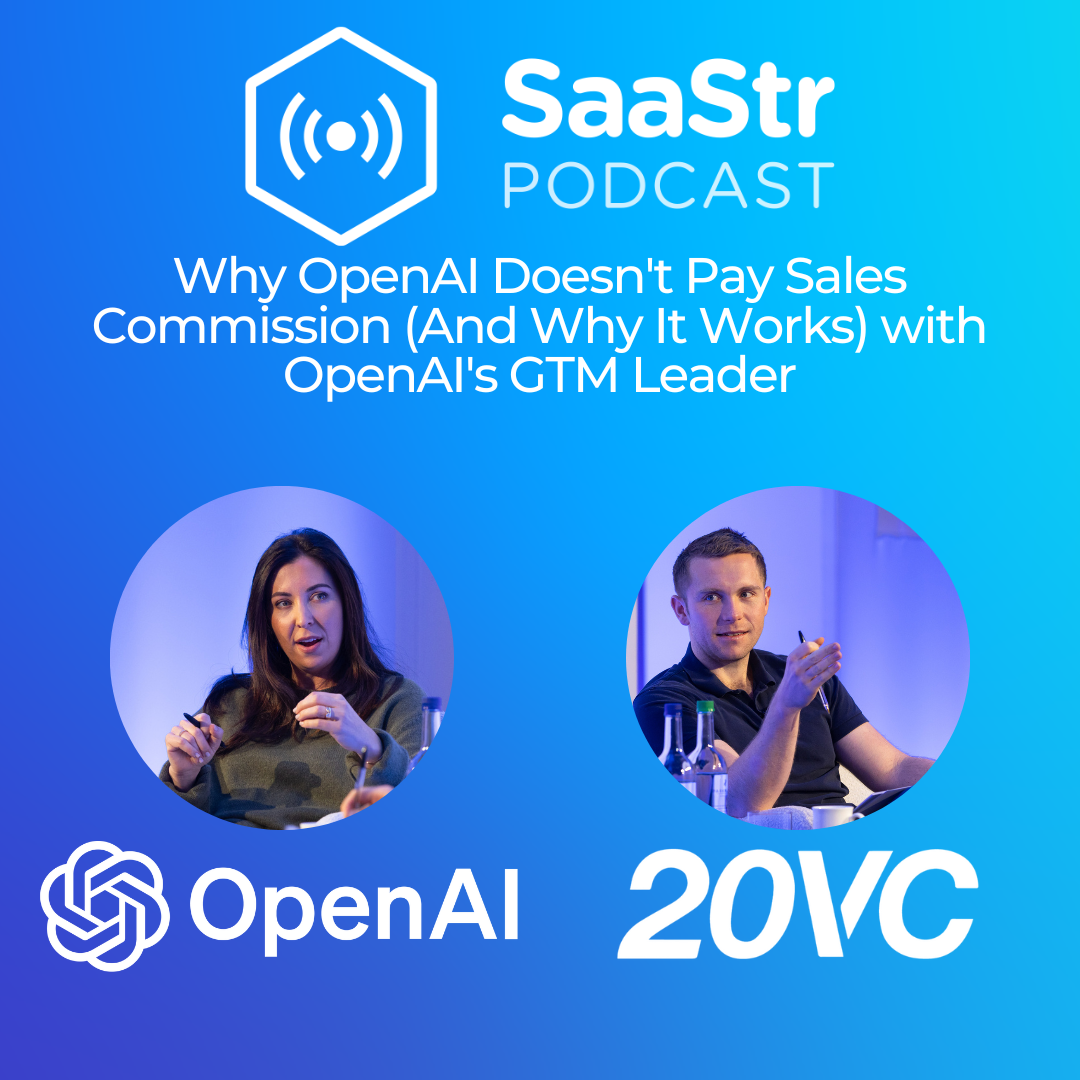
The fastest career acceleration comes from being inside a hyper-growth company, regardless of your initial title. The experience gained scaling a 'rocket ship' is far more valuable than a senior title at a slower-moving business. The speaker herself took a step down from Senior Director to an individual contributor role to join OpenAI.
ElevenLabs' CEO has 15 direct reports, split evenly between experienced veterans who have "seen it before" and high-potential employees who have grown with the company. This blend of experience and internal context is key to managing rapid scaling.

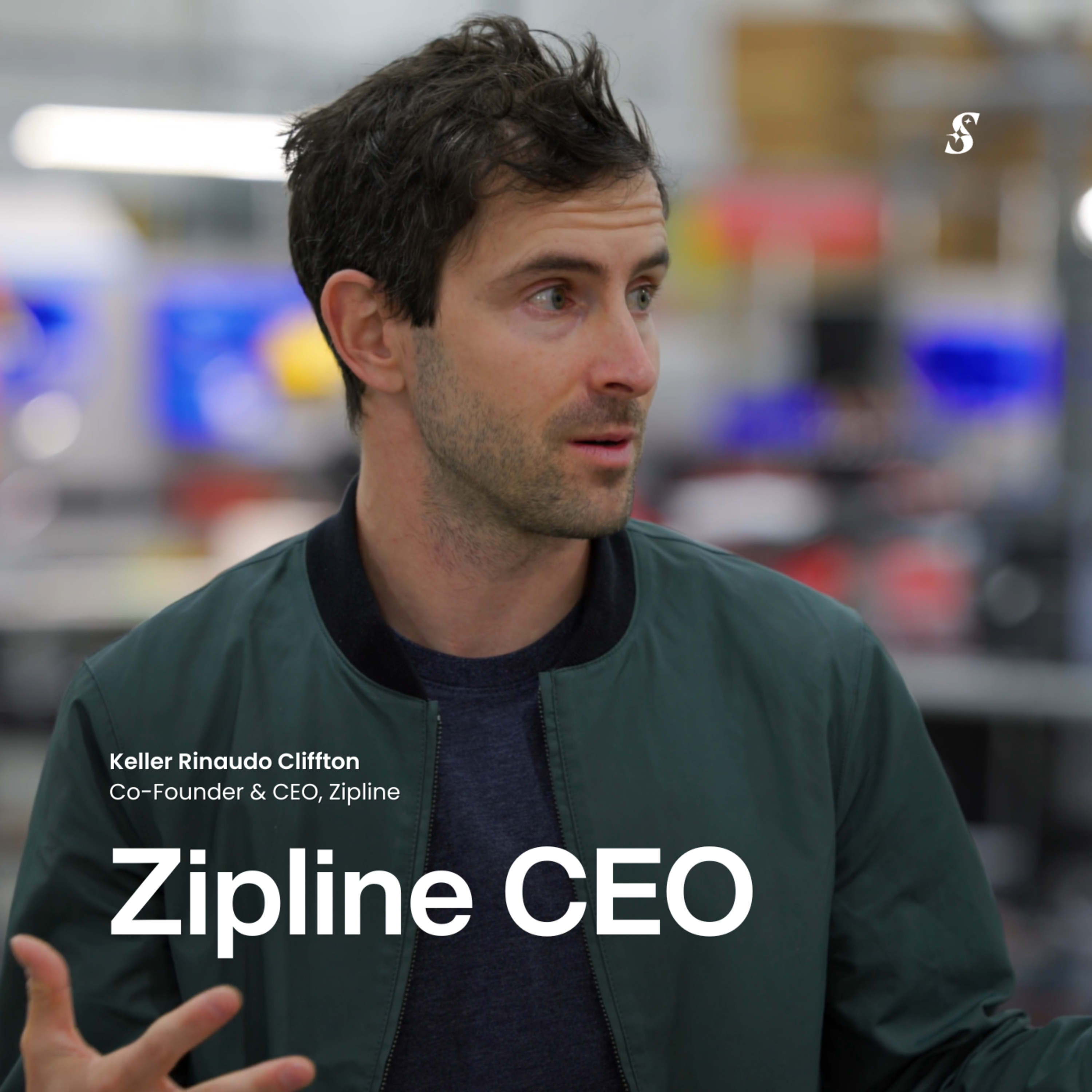
To manage hypergrowth, a startup must hire leaders who have already experienced scale orders of magnitude greater. Zipline hired ex-Tesla CFO Deepak Ahuja, who had scaled Tesla to a trillion-dollar valuation. This brings in crucial experience to navigate the challenges of the next growth phase that the existing team has never seen.
Beyond S-curve, moat, and earnings, Whale Rock added "Super Leaders" as a fourth investment pillar. These visionary, talent-magnet leaders are crucial because they can steer a company from one dominant S-curve to the next, like Amazon successfully did moving from e-commerce to cloud computing.
