Get your free personalized podcast brief
We scan new podcasts and send you the top 5 insights daily.
Scott Galloway proposes that Netflix could seize the opportunity presented by the turmoil at CBS. By hiring top-tier journalists like Scott Pelley and Anderson Cooper, Netflix could quickly launch a prestigious weekly news program, directly challenging established players like "60 Minutes."

Related Insights
As AI-generated content or "slop" floods user-generated platforms like YouTube, Netflix has an opportunity to position itself as a premium, curated safe harbor. This dynamic could become a significant tailwind for its business, reinforcing the value of its human-gated content library in a world of infinite, low-quality noise.

Media companies face a dilemma: allowing on-air talent to engage in new media like podcasts enhances relevance, but it also empowers them to build personal brands that directly compete with the network for audience attention, loyalty, and ultimately, revenue.

The hosts criticize CBS management for trying to "disrupt" its most successful and profitable show, which is growing while the industry declines. This is a fundamental misunderstanding of disruption theory, which applies to challengers, not incumbents.
As legacy media giants merge and cut costs, they alienate top talent. This creates a prime opportunity for agile competitors, like Netflix or Substack creators, to hire iconic journalists and producers who are now looking for an exit, accelerating the shift of influence away from established brands.
Netflix's entry into vertical video is a strategic move to unlock the value of its deep, underutilized content library. By allowing creators to remix its proprietary, long-tail content, Netflix can create a powerful marketing flywheel and a differentiated short-form product that isn't reliant on typical user-generated content.
Netflix's bid for Warner Bros. may be a brilliant game theory play. Even if the deal is blocked by regulators, it forces its primary rival into a multi-year acquisition limbo. This distraction freezes the competitor's strategy, allowing Netflix to extend its market lead. It's a win-win for Netflix.
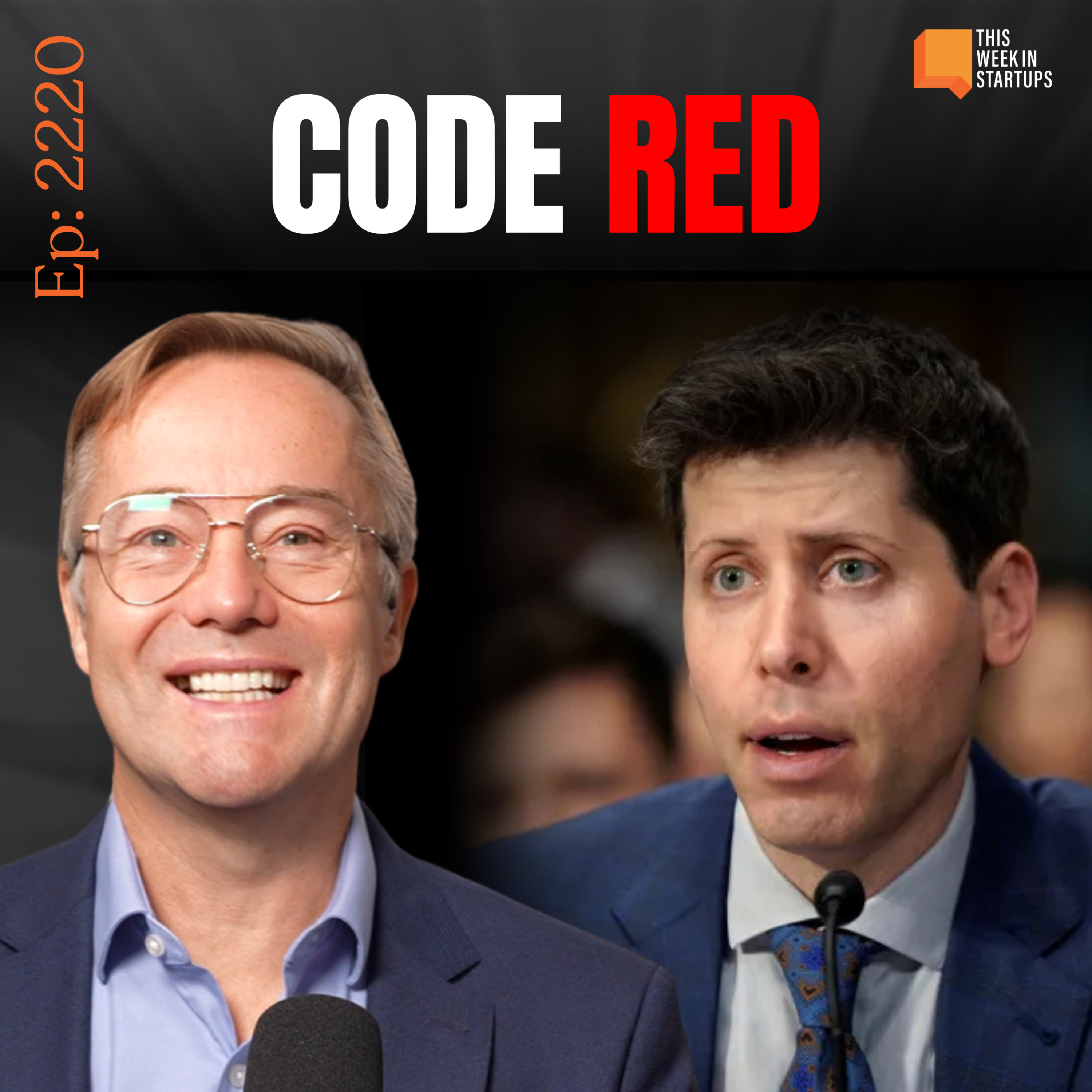
Instead of a costly acquisition like Warner Bros. Discovery, a streamer like Netflix could achieve similar goals—acquiring IP, back catalogs, and cultural relevance—more efficiently. Investing that capital to exclusively sign the top 100 creators is a more agile, high-return strategy.

Malone recognized Netflix was replicating the playbook cable networks used against broadcasters decades earlier: license old content, build an audience, then create originals. He urged the cable industry to buy or compete with Netflix, but they were blinded by their own success.

While the obvious targets for Netflix are Warner's famous IP like Batman, acquiring CNN would be a game-changer. It would provide a proven, global, 24/7 live content stream, accelerating Netflix's strategic shift from on-demand video to a constant live-event platform.

CBS News acquiring Bari Weiss signals a strategic shift: legacy media outlets are buying influential independent creators to regain credibility. As audiences increasingly trust individual voices over institutions, these giants are co-opting top creators to bring that trust—and their audiences—back under a corporate umbrella, reversing the traditional talent pipeline.