Get your free personalized podcast brief
We scan new podcasts and send you the top 5 insights daily.
The planned "super app" overhaul of ChatGPT is less about bundling features for an IPO and more about closing the "advantage gap" between casual and power users. The new UI/UX will be designed to guide people away from simple chat and towards using agents and coding tools, fundamentally changing how they use AI.

Related Insights
The new Codex app is designed as an "agent command center" for managing multiple AI agents working in parallel. This interface-driven approach suggests OpenAI believes the developer's role is evolving from a hands-on coder into a high-level orchestrator, fundamentally changing the software development paradigm.
Agentic coding tools like Claude Code represent a new, distinct modality of AI interaction, as significant as the advent of image generation or chatbots. This shift is creating a new category of power users who integrate AI into their daily workflows not just for queries, but for proactive, complex task execution.
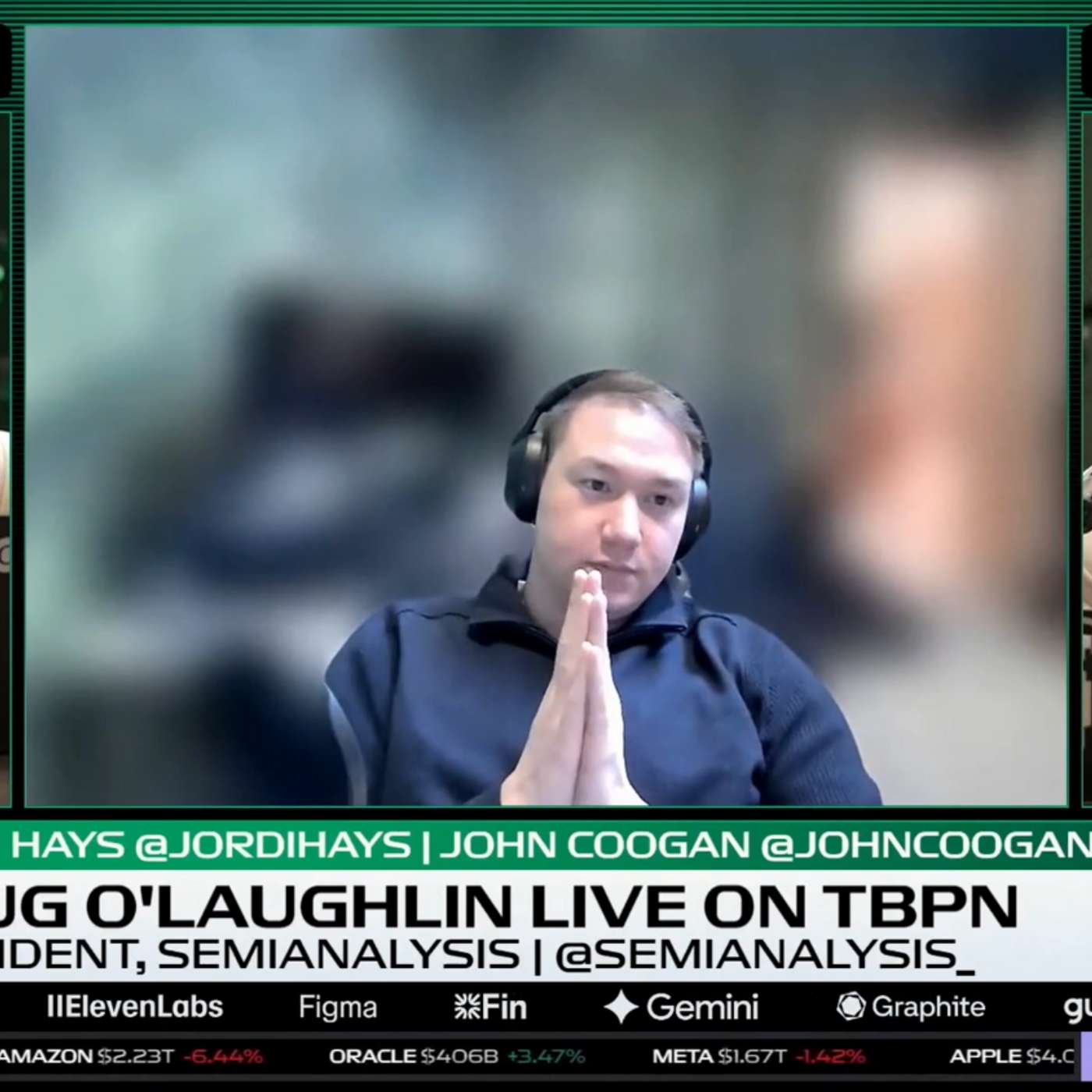
AI labs like OpenAI and Anthropic are developing "super apps" that go beyond chat to take over your browser and computer for tasks like hiring or booking. This agentic model, where the AI acts on your behalf, could fundamentally shift power away from individual websites.

The GPT-5.5 announcement emphasizes its role in "powering agents built to understand complex goals, use tools, check its work and carry more tasks through to completion." This signals a strategic shift from merely improving conversational AI to building autonomous systems that can execute complex, multi-step workflows.

Power users are discovering that direct, conversational interaction with AI agents is more efficient than clicking through graphical user interfaces (GUIs). This signals a shift toward an 'app-less' world where tasks are accomplished via chat, potentially making traditional UI/UX design roles redundant for many applications.
A major focus for OpenAI's design team is the growing gap between what their models are capable of and what users actually know they can do. The design team's job is to create interfaces and tools that expose the model's full potential to the user.
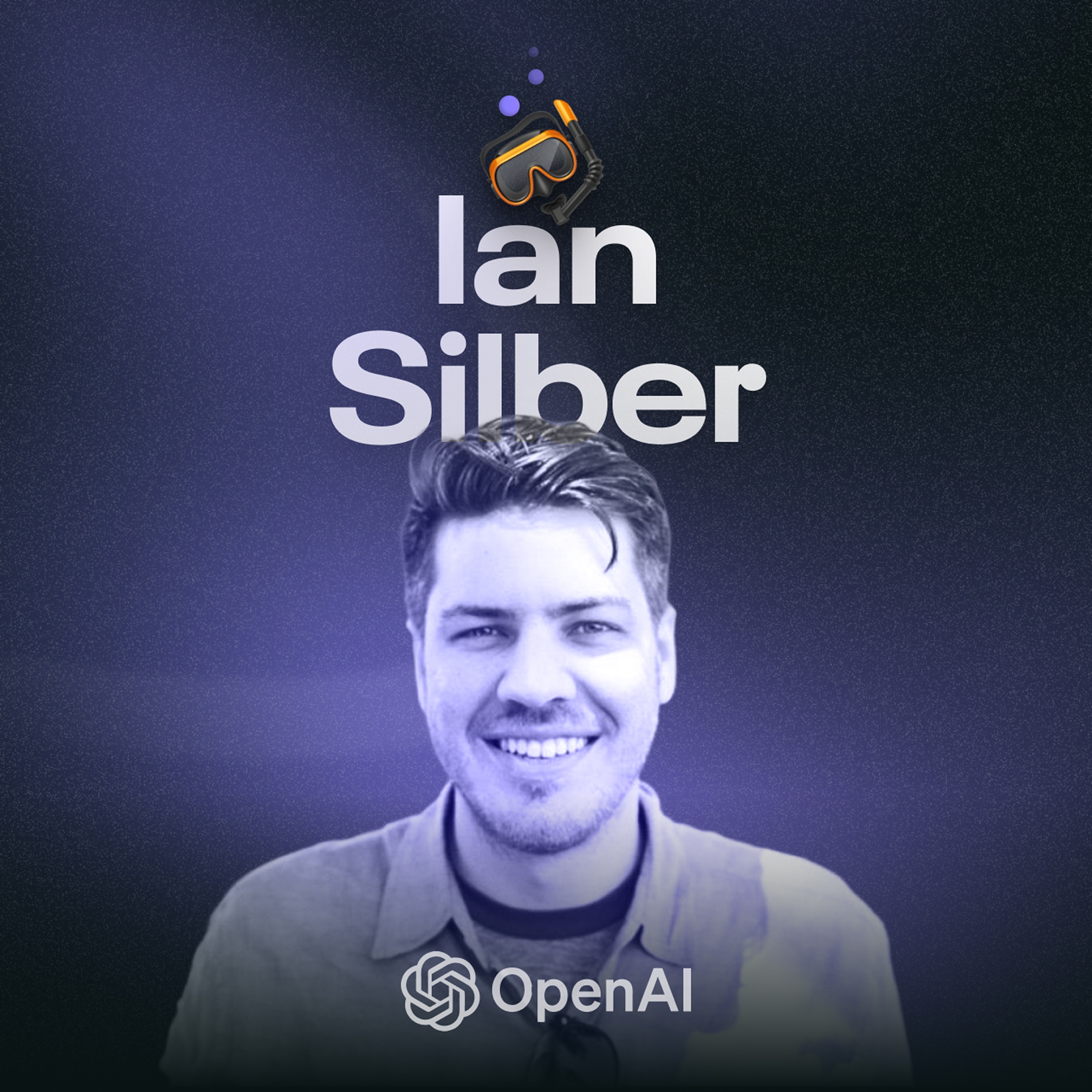
Sam Altman argues there is a massive "capability overhang" where models are far more powerful than current tools allow users to leverage. He believes the biggest gains will come from improving user interfaces and workflows, not just from increasing raw AI intelligence.
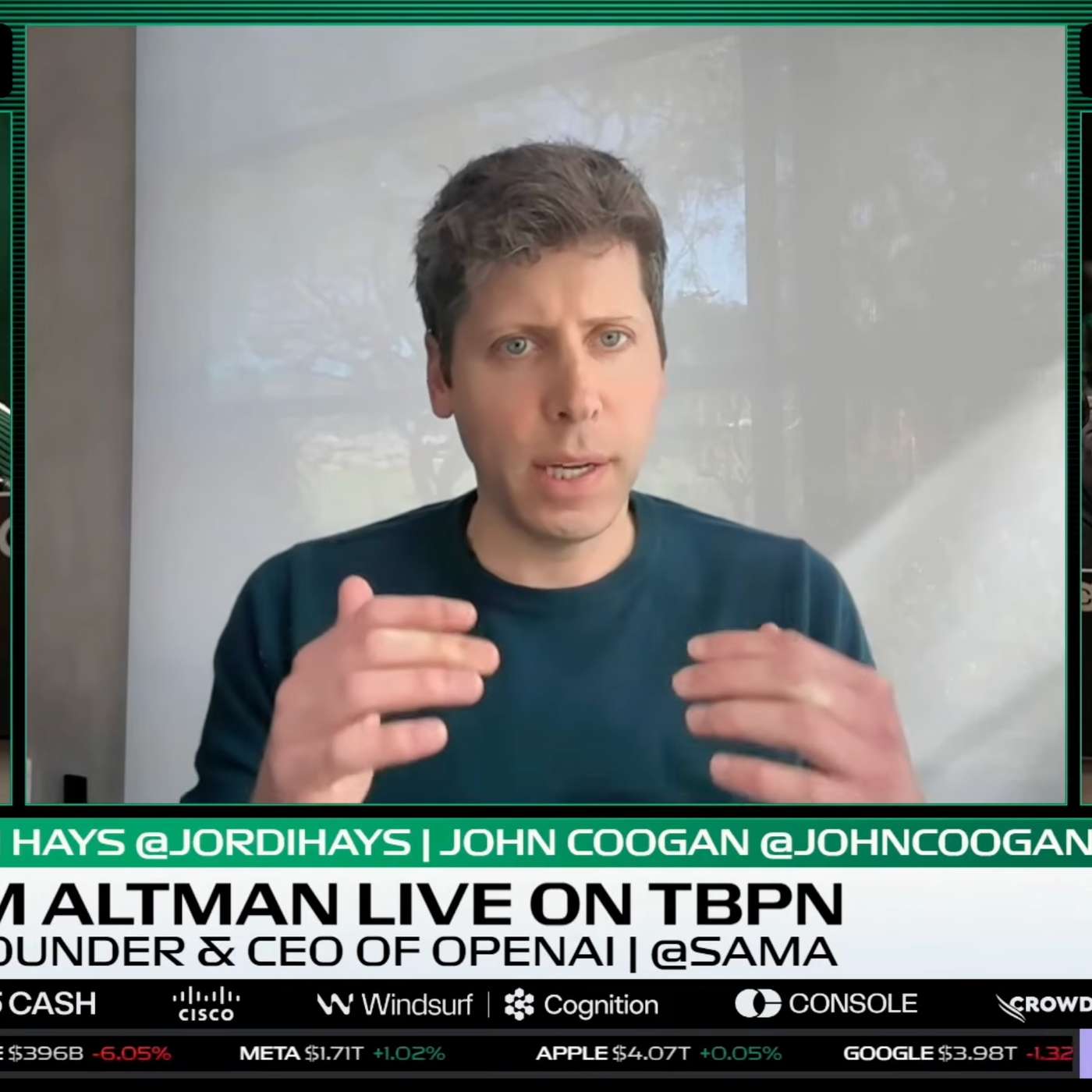
To achieve mass adoption, ChatGPT must move beyond its current 'computer terminal' interface. The next wave of users are too busy to learn prompting; the product needs clearer affordances and must proactively anticipate needs rather than waiting for commands to provide value.

The planned Superapp combining coding, browsing, and chat is more than a UI consolidation. The deeper, more critical goal is to merge multiple backend systems into a single, unified 'AI harness' that manages context, actions, and interaction loops. This creates a powerful, efficient AI layer for various applications.
The shift from command-line interfaces to visual canvases like OpenAI's Agent Builder mirrors the historical move from MS-DOS to Windows. This abstraction layer makes sophisticated AI agent creation accessible to non-technical users, signaling a pivotal moment for mainstream adoption beyond the engineering community.
