Get your free personalized podcast brief
We scan new podcasts and send you the top 5 insights daily.
The planned Superapp combining coding, browsing, and chat is more than a UI consolidation. The deeper, more critical goal is to merge multiple backend systems into a single, unified 'AI harness' that manages context, actions, and interaction loops. This creates a powerful, efficient AI layer for various applications.

Related Insights
The true power of the AI application layer lies in orchestrating multiple, specialized foundation models. Users want a single interface (like Cursor for coding) that intelligently routes tasks to the best model (e.g., Gemini for front-end, Codex for back-end), creating value through aggregation and workflow integration.

Frontier is designed to be a central hub for deploying and managing AI agents across enterprise systems. This positions OpenAI to become the primary user interface for work, potentially demoting established SaaS tools like CRMs to mere data repositories.

The new Codex app is designed as an "agent command center" for managing multiple AI agents working in parallel. This interface-driven approach suggests OpenAI believes the developer's role is evolving from a hands-on coder into a high-level orchestrator, fundamentally changing the software development paradigm.

Instead of interacting with a single LLM, users will increasingly call an API that represents a "system as a model." Behind the scenes, this triggers a complex orchestration of multiple specialized models, sub-agents, and tools to complete a task, while maintaining a simple user experience.
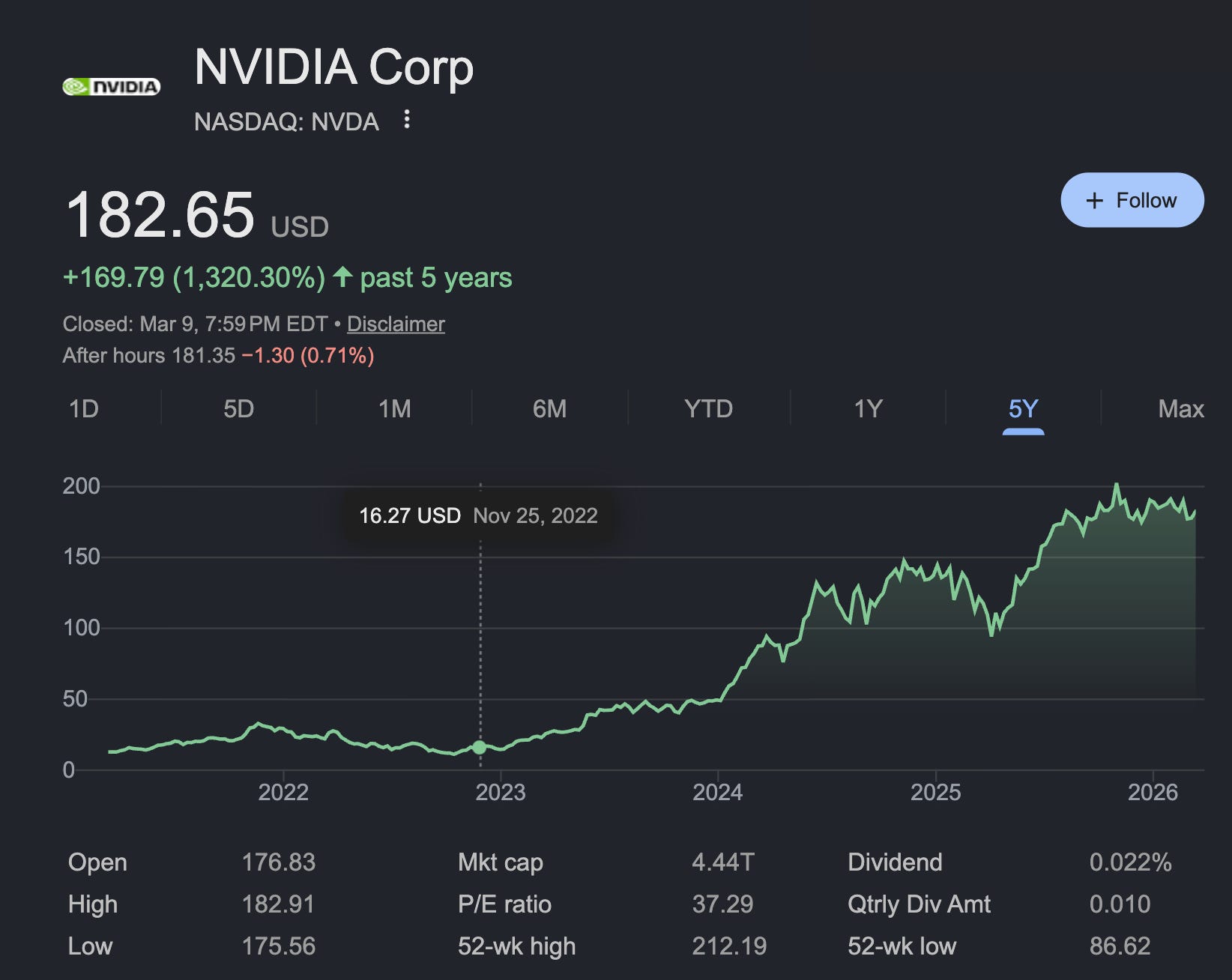
Killing a product is difficult, but OpenAI's decision to shut down the standalone Sora app is a sign of strategic strength, not failure. They are consolidating all AI tools into the core ChatGPT product to create a single, powerful super-app, avoiding brand dilution and focusing resources effectively.

Current communication tools like Slack are ill-suited for managing AI agents. The future lies in integrated "super apps" that combine chat interfaces with built-in credential management, file systems, and API key provisioning, creating a unified environment for human-agent collaboration.
Sam Altman argues there is a massive "capability overhang" where models are far more powerful than current tools allow users to leverage. He believes the biggest gains will come from improving user interfaces and workflows, not just from increasing raw AI intelligence.
OpenAI is consolidating its fragmented products into a single desktop "super app." This is not innovation but a reaction to a confusing user experience and the success of rival Anthropic's Claude, which already offers a cohesive desktop application for coding and business tasks. The goal is to regain focus and compete more effectively.
The future of AI interaction won't be a multitude of specialized apps. Instead, it will likely converge into a smaller number of powerful, generalized input boxes that intelligently route user intent, much like the Chrome address bar or Google's main search page.

While marketed as a coding tool, the Codex app's architecture for managing parallel agents, skills, and long-running tasks suggests it's a foundation for a general-purpose consumer agent. The focus on orchestrating complex work positions it as a command center for any task, not just software development.