Get your free personalized podcast brief
We scan new podcasts and send you the top 5 insights daily.
After years dominated by minimalist aesthetics, Figma's CEO predicts a shift. To stand out in an exponentially growing software world, companies will embrace more dynamic, visual, and experimental user interfaces. This creative flourishing will move beyond visuals to include new interaction patterns and information architecture to capture attention.

Related Insights
Figma CEO Dylan Field argues that while AI can quickly generate "good enough" results, this baseline is no longer sufficient. As AI floods the market with generic software and designs, true differentiation will come from human-led craft, taste, and pushing beyond the initial AI output.
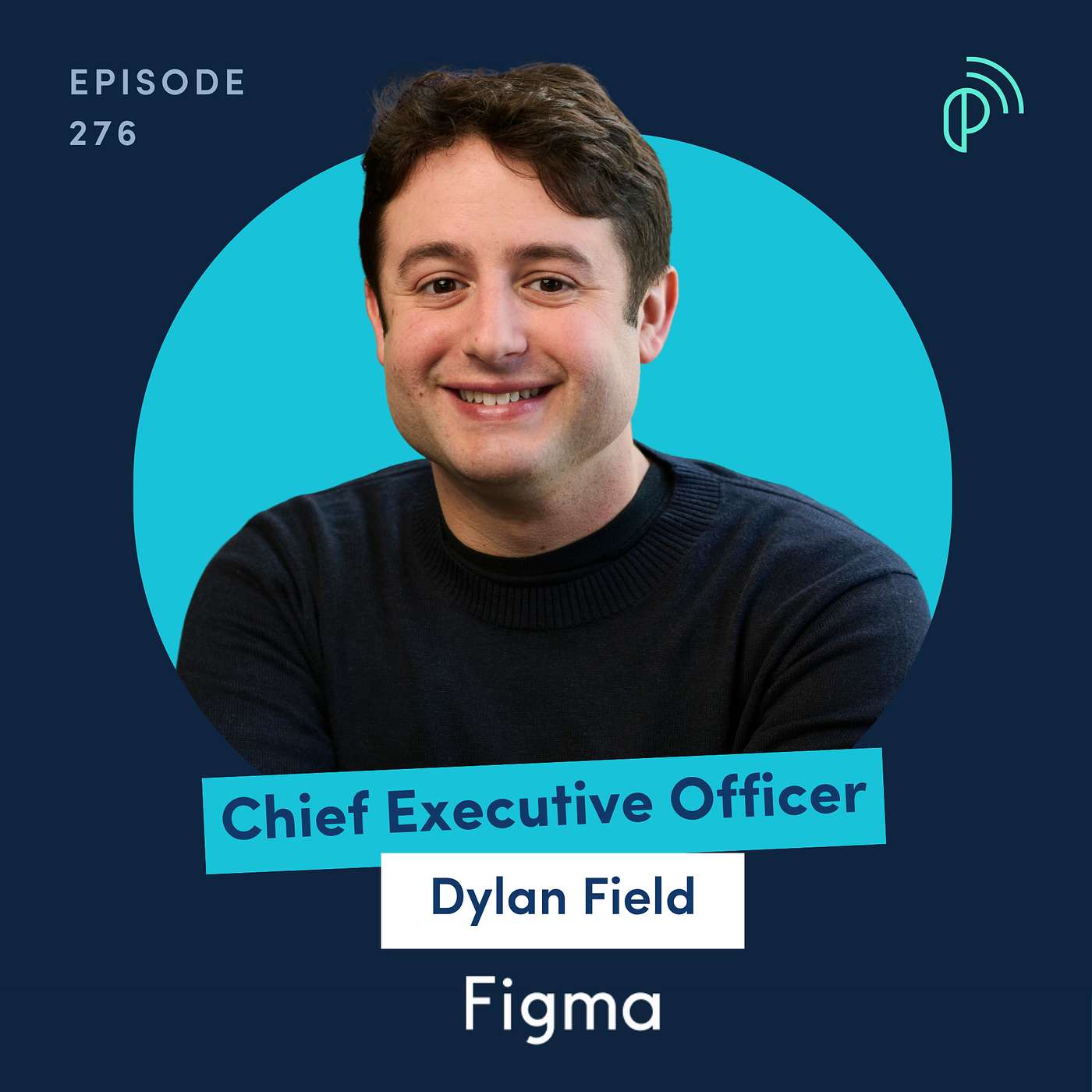
Figma CEO Dylan Field predicts we will look back at current text prompting for AI as a primitive, command-line interface, similar to MS-DOS. The next major opportunity is to create intuitive, use-case-specific interfaces—like a compass for AI's latent space—that allow for more precise control beyond text.
Current text-based prompting for AI is a primitive, temporary phase, similar to MS-DOS. The future lies in more intuitive, constrained, and creative interfaces that allow for richer, more visual exploration of a model's latent space, moving beyond just natural language.

In the dot-com era, design was a superficial afterthought. Today, with increased software competition and user expectations set by companies like Apple, design is a critical factor for a product's success, influencing function and user experience, not just aesthetics.

As AI accelerates software development, basic functionality becomes table stakes. Figma's CEO contends that differentiation and winning now depend entirely on design, craft, and a strong point of view, as 'good enough' products will no longer succeed.
After a long era dominated by the clean, minimalist aesthetic of the iPhone, the design world is poised for a resurgence of variation and dynamism. AI tools lower the barrier to experimentation, enabling a return to the more expressive, visual, and even weird internet of the Flash and Geocities era as a means of differentiation.

As cloud computing and developer tools made software easier to build, competition surged. This shifted business value from pure engineering to design and user experience, which became critical for standing out. Design went from a cosmetic afterthought to a core strategic function.

Figma's CEO believes AI will create the "10X designer." As AI automates basic design tasks, making "good enough" the new baseline, the premium on true craft and system-level thinking will skyrocket. Designers who can leverage AI to execute a holistic product vision will become indispensable leaders and key drivers of a company's success.

Figma's CEO argues that while agentic coding systems are powerful, they risk being too linear. True product innovation requires exploring a wide option space through design, using systems and components to ensure a cohesive user journey. Relying solely on code generation can lead to a suboptimal product, even if it's built quickly.
Figma's CEO likens current text prompts to MS-DOS: functional but primitive. He sees a massive opportunity in designing intuitive, use-case-specific interfaces that move beyond language to help users 'steer the spaceship' of complex AI models more effectively.